
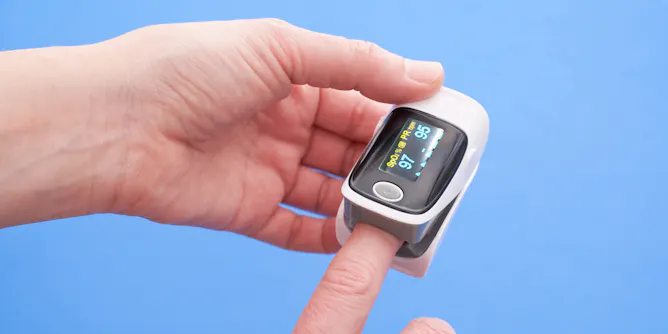
A new survey of UK adults finds most of us track our health at home, but not everyone is equally likely to benefit.
Articles on Health monitoring
Displaying all articles
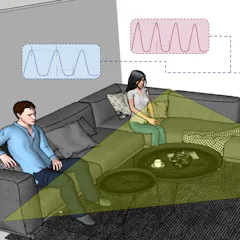
Today’s radar technology can detect the minute movements when your heart beats or you take a breath. Machine learning turns those signals into vital signs readings.

AI can process data from wearable devices to better monitor your health and detect problems sooner. The trick is teaching AI algorithms how to cut through the noise.
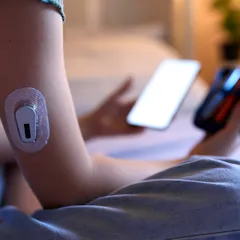
There are two main types, with pros and cons for each. One thing’s certain though. Don’t rely on your watch to monitor your blood sugar levels.

Working a day on the firelines as a wildland firefighter can require the endurance of riding the Tour de France. That takes a toll, as a physiologist explains.

Twenty-five years of research show what it takes to fuel wildland firefighters through an average day, and the toll the long seasonal work takes on their bodies.

A type of computer chip that mimics both the skin and brain could pave the way for wearable devices that monitor and analyze health data using AI right on the body.

Researchers are developing an AI-powered device to detect asthma and COPD symptoms in real-time for faster treatment. The ‘patch’ listens to airway sounds, but filters out speech to protect privacy.

The coronavirus pandemic has driven a lot of scientific progress in the past year. But just as some of the social changes are likely here to stay, so are some medical innovations.
Top contributors
-

Professor of exercise and work physiology, University of Montana
-
Professor of Biomedical Engineering, University at Buffalo
-
Professor of Microbiology, School of Medicine, University of Washington
-
Associate Professor of Communication Sciences and Disorders, Canada Research Chair in Personalized Medicine of Upper Airway Health and Disease, McGill University
-
Assistant Professor of Molecular Engineering, University of Chicago
-
Professor and Director of Quantitative Biosciences Institute & Senior Investigator at the Gladstone Institutes, University of California, San Francisco
-
Head of Diabetes Clinics, Baker Heart and Diabetes Institute
-
Ph.D. Student in Electrical Engineering & Computer Engineering, Georgia Institute of Technology
-
Professor of Electrical Engineering, University of Tennessee
-
Electronics Engineer, U.S. Naval Research Laboratory
-
Professor of Audiology, University of Manchester
-
Lecturer in Psychology, University of Leeds
-
Assistant Professor, Artificial Intelligence in Communication Disorders, Friedrich-Alexander-Universität Erlangen-Nürnberg
-
Ewing Professor of Audiology, University of Manchester