
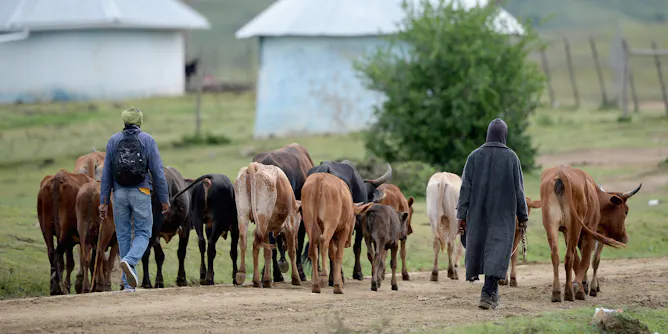
Smallholder farmers have time to set up shared shady areas with water and feed for livestock that might die in the Super El Niño – if they get support now.
Articles on Grazing
Displaying 1 - 20 of 38 articles

Timing matters: planting fodder radish in the right months can help South African farmers grow more nutritious livestock feed even without irrigation.
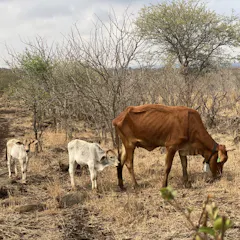
Drought is likely to reduce the total number of livestock southern Africa can support, and increase inequality among pastoralists.
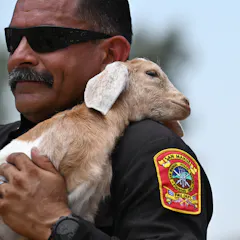
Targeted grazing is gaining interest as fire risk rises, particularly in hard-to-manage areas of the Western US. But it isn’t always as simple as it seems.

These fine particles can do significant harm to transport networks, farming and even human health.
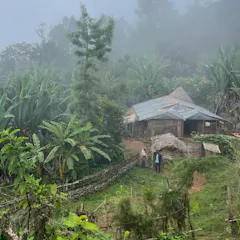
Ethiopia’s protected areas conserve almost 10% of the country, but new research has found that people living near nature reserves may be more likely to go hungry.
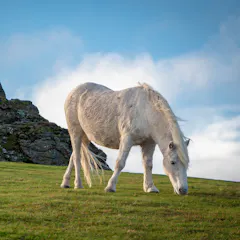
Semi-wild ponies are valuable for habitat restoration, yet policy changes may threaten their survival.
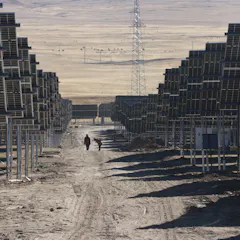
China’s national government policies on energy and economic development are changing pastoral life on the Tibetan Plateau.
Decades of experimentation revealed slow ecological processes and long-term interactions that have international scientific value.
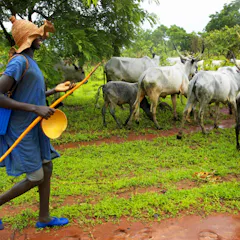
Conflict over land, pastoral mobility and weak governance often overlap with religious fault lines, but can’t be reduced to them.
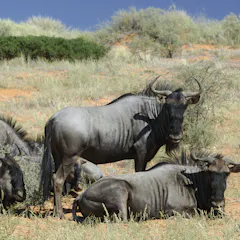
By studying antelope fossils, researchers can revisit long-standing questions about how the Cradle of Humankind’s environment evolved through time.
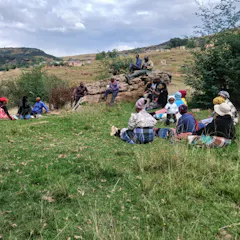
Rural communities in South Africa rely on public land to graze their livestock. They must be part of fighting soil erosion and restoring natural grasses.
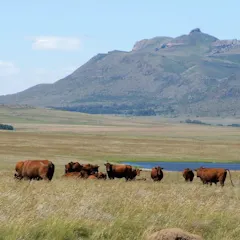
The Grassland Society of Southern Africa has been conducting scientific research for 60 years, adapting to new challenges.
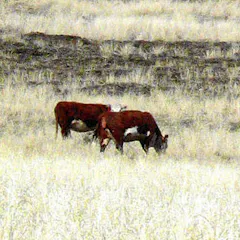
That delay can tip ranchers’ finances into the red. While the land needs time to recover, studies raise questions about whether two years is really necessary.
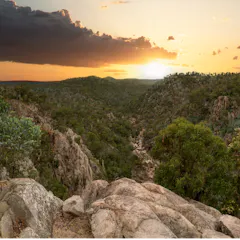
Many ecosystems face multiple serious threats. Recovery will be complex and difficult – but not impossible.
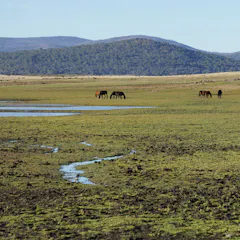
When it comes to storing carbon, alpine peatlands are powerhouses. But feral horse grazing and trampling tips the carbon balance in the other direction. We need to protect and restore our peatlands.
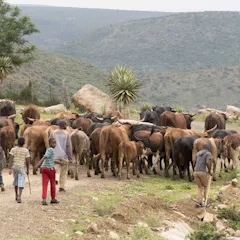
Planting millions of trees in natural grassland is largely ineffective in the battle against global warming because it adds little or no additional carbon storage.
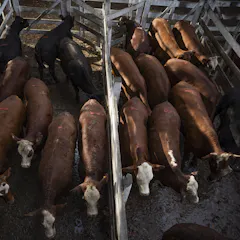
Cattle are major producers of methane, a potent greenhouse gas. But there are methods that can reduce their climate impact – if ranchers have incentive to use them.

Solar development isn’t always good for the land, but pairing it with agriculture can produce multiple benefits.

Satellite images and community perceptions combine to give a fuller picture of land use changes.
Top contributors
-

Senior Researcher, Agricultural Research Council - Animal Production, University of KwaZulu-Natal
-
Lecturer, University of Fort Hare
-
Senior Research Fellow, Ecology and Herpetology, Charles Sturt University
-
Professor of History, University of Idaho
-
Research fellow, Australian National University
-
Adjunct Professorial Fellow, Research Institute for the Environment and Livelihoods, Charles Darwin University
-
Postdoctoral Research Fellow, Macquarie University
-
Adjunct Researcher, James Cook University
-
Distinguished Professor of Ecology, Fenner School of Environment and Society, Australian National University
-
Visiting professor, University of Saskatchewan
-
Adjunct Associate Professor James Cook University and University Fellow Charles Darwin University, James Cook University
-
Senior Lecturer, Environmental Soil Science, RMIT University
-
Senior Lecturer in Agriculture, Nottingham Trent University
-
Environmental Social Scientist, Newcastle University
-
Ecologist, Adjunct Researcher, Charles Sturt University