
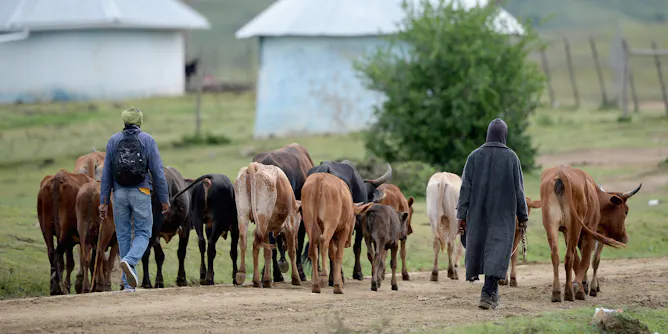
Smallholder farmers have time to set up shared shady areas with water and feed for livestock that might die in the Super El Niño – if they get support now.
Articles on Livestock
Displaying 1 - 20 of 231 articles

Timing matters: planting fodder radish in the right months can help South African farmers grow more nutritious livestock feed even without irrigation.
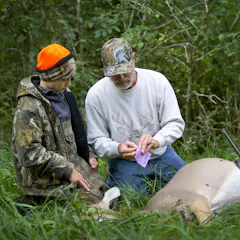
Over 150 screwworm cases have appeared in US animals in 2026, including in elk. Here’s how America’s 11.5 million hunters can help contain the spread.
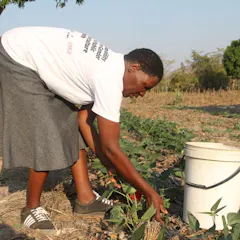
Households with certain assets can diversify into activities that produce higher incomes.
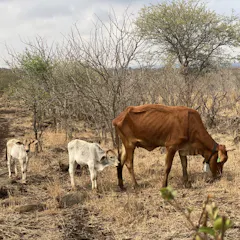
Drought is likely to reduce the total number of livestock southern Africa can support, and increase inequality among pastoralists.
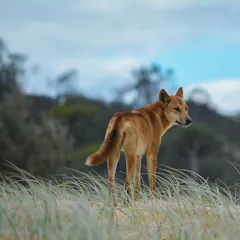
A push is underway to better protect dingoes in NSW national parks. This inquiry will grapple with how to balance conservation and farmer concerns.
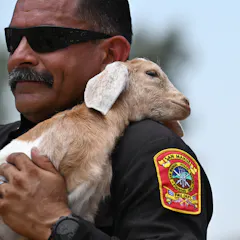
Targeted grazing is gaining interest as fire risk rises, particularly in hard-to-manage areas of the Western US. But it isn’t always as simple as it seems.
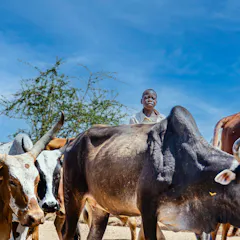
Tackling livestock emissions involves more than just eating less meat.
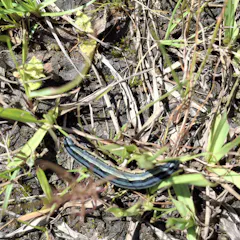
The African armyworm causes havoc for many crops and livestock.
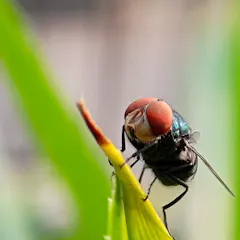
After screwworm cases were reported in Texas and New Mexico, Colorado is taking preventive measures against the pest.

Decades of farmers using more fertilizer than they needed have quietly built up large reserves of nutrients in the soil.
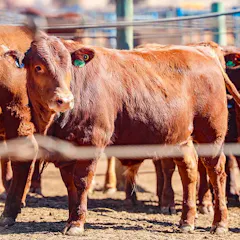
Access to global markets will continue to decrease if the disease is not brought under control.
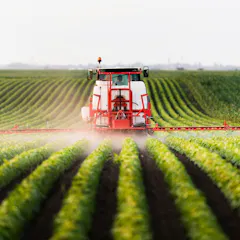
Canada is developing sophisticated AI tools for agriculture but lacks the systems to help farmers understand, integrate and trust these technologies.
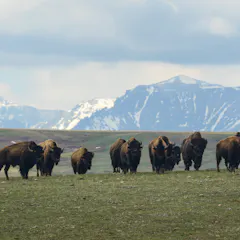
Approximately 400,000 bison roam the North American landscape today, of which nearly 90% are considered livestock.

This isn’t just a major animal welfare issue – it’s an economic one as well. And there are steps we can take to resolve it.
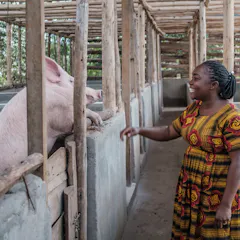
It’s possible to work with and change social norms about suitable work for women.
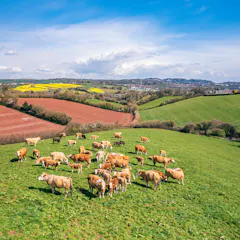
Emerging technologies such as lab-based meat could produce the same quality and quantity of protein on hundreds of times less land.
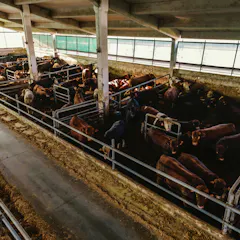
‘Buying local’ often goes hand in hand with ethical choices. But when it comes to meat, we need to reconsider this equation.

Over a three-decade experiment in the Rocky Mountains, fungi and plant life fundamentally changed. The result has consequences for cattle and wildlife.
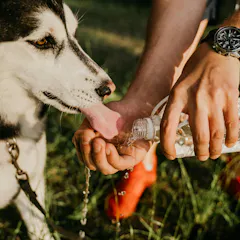
When people get hot, we can strip off clothing and we sweat to cool down. But animals such as cats and dogs aren’t so lucky.
Top contributors
-

Specialist, CGIAR
-
Professor of Veterinary Infectious Diseases, University of Liverpool and International Livestock Research Institute, Kenya, University of Liverpool
-
Adjunct Professor in Animal Welfare, Curtin University
-
Professor in Wildlife Ecology and Conservation, School of Life & Environmental Sciences, Deakin University
-
Fellow, Zoological Society of London
-
Senior Fellow, Department of Agricultural Economics, Stellenbosch University
-
Associate professor, UNSW
-
Senior Researcher and Statistician, University of Hohenheim
-
Barrister, Victorian Bar and Honorary Fellow, Melbourne Law School, The University of Melbourne
-
Professor of Sustainability, Curtin University
-
Assistant Professor of Applied Environmental Health , University of Maryland
-
Senior lecturer, UNSW
-
Professor, Dept of Food, Agricultural and Resource Economics, University of Guelph
-
Chief Research Scientist, Food Systems and the Environment, CSIRO
-
Postdoctoral research fellow, The University of Melbourne