

A rigged electoral system and fragmented opposition allowed Denis Sassou Nguesso to claim 94.90% of the vote.
Articles on Governance
Displaying 21 - 40 of 329 articles

Policies that look chaotic actually reflect a deeper shift in how governments exercise power. The consequences can be dire.

Every city is different but they can learn from each other.

Reform must recognise that the sector’s social capital is its strength and its weakness.

Without the AU, the continent would have weaker bargaining power and slower coordination on issues that touch public life.
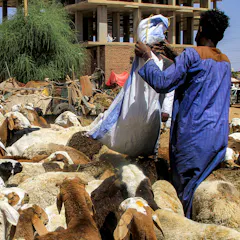
Armed actors in fragile contexts typically engage in sectors where they can quickly extract profits.
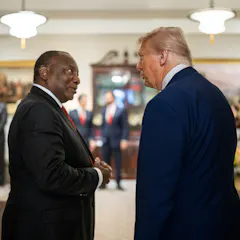
South Africa’s preference for dialogue has become harder to sustain in a polarised world.
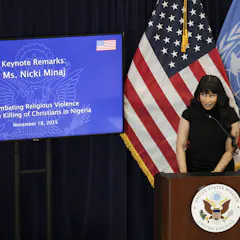
Airstrikes may disrupt militants, but Nigeria’s insecurity is rooted in a governance collapse that military force alone cannot fix.
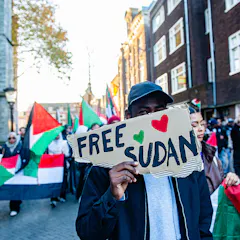
The latest effort shows potential for a temporary humanitarian pause rather than a lasting political settlement.

The appeal to serve on the board of an NPO may be an emotional one: service and meaning. But hard questions must be answered before taking the step.

More organizations are letting AI act on their behalf, but far fewer have mature governance to manage the consequences.

Researchers found auditors who had dealt with one cyber-breached client became more likely to spot serious weaknesses in systems and controls elsewhere.

The youth-led struggle for democracy in Uganda reflects a broader continental reality: young Africans want better leadership.

Just-resigned Adelaide Writers Week director Louise Adler calls the cancellation of the event ‘no surprise’. What went wrong?

Addresses are essential to society, governance and the economy in a modern world.

The takeover was the 11th successful coup d'etat in Africa since just 2020, and the latest destabilizing event in a country long plagued by governance challenges.
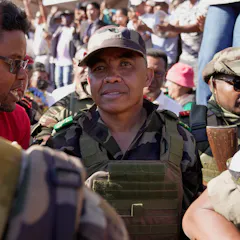
While illegal takeovers of state have declined globally, Africa has now seen at least 10 successful coups since 2020.
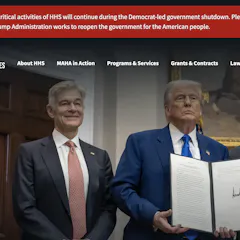
When websites and email systems become partisan platforms, the line blurs between state and party, diluting public trust in the idea of impartial governance.
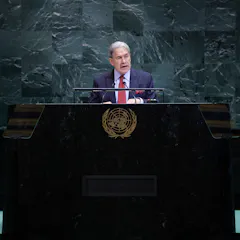
Cabinet papers are usually prepared by ministries with input from impartial public servants. The process over Palestine raises wider questions about transparency.

Would lowering the voting age to 16 enhance young people’s participation in the political processes that affect their lives?
Top contributors
-

Political Scientist, University of the Western Cape
-
Senior Research Associate, University of Johannesburg
-
Professor of Public Affairs, Tshwane University of Technology
-
Professor of Political Studies, University of Johannesburg
-
Professor, Weber State University
-
Professor of Physics, University of Johannesburg
-
Professor of Sociology, University of the Witwatersrand
-
Director: Center for Public Policy and African Studies, University of Johannesburg
-
Professor and Research Theme Leader of the Flourishing Life Research Theme, University of the Free State
-
Visiting Adjunct Professor, School of Governance, University of the Witwatersrand
-
Postdoctoral research fellow at the SARChI Chair: African Diplomacy and Foreign Policy, University of Johannesburg
-
Professor of Accounting, The Ohio State University
-
Economist, UNSW
-
Professor/Senior Research Fellow, Centre for Advancement and Senior Non-Resident Fellow, Global Development Policy Center, Boston University of Scholarship, University of Pretoria
-
Professor of Urban Policy and Director, Urban Futures Enabling Impact Platform, RMIT University