
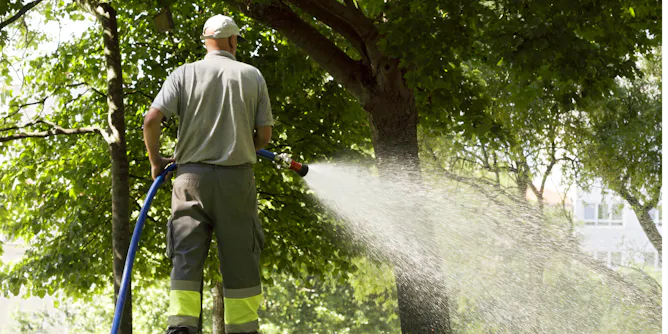
Trees and greenspace can drive down urban temperatures – but they must be able to draw water from the soil to achieve these massive cooling effects.
Articles on Gardens
Displaying 21 - 40 of 100 articles
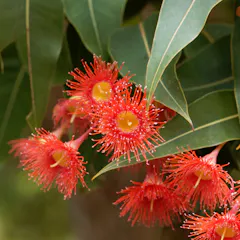
While its large brilliant flowers attracted early horticultural attention, this summertime stunner’s path to being a successful urban tree has not always been easy.
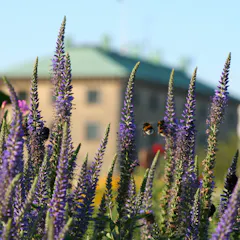
A biologist explains what to focus on if you’re designing a garden with pollinators in mind − and what you don’t need to worry about.
Lose the prickles. Add bioluminescence. Up the nutrients without the bitter flavor. CRISPR gene editing is opening a new world of genetically modified plants for home growers.

Perhaps 90% of flowering plants require animal pollinators – and most of them are insects. But it’s not just bees doing this important work.
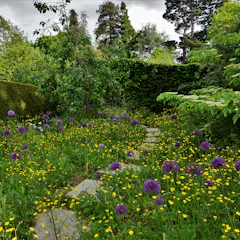
A little corner of the garden set aside for wildlife can make a huge difference, if we all do it.
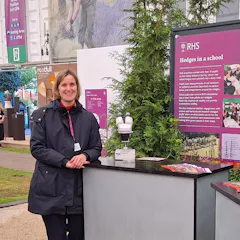
Public engagement through school projects and the RHS Chelsea Flower Show play a vital role in educating the public about the myriad of environmental benefits provided by the humble garden hedge.
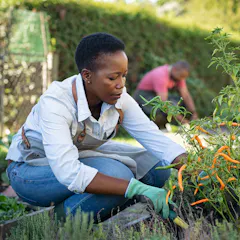
This episode explores how colonial history has affected what we plant and who gets to garden. We also discuss practical gardening tips with an eye to Indigenous knowledge.
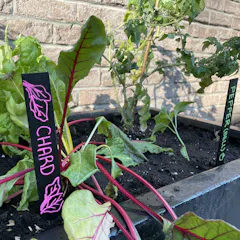
New research shows how university garden initiatives can help drive transformative change and nurture a new generation of environmental and socially conscious change-makers.

The native red admiral is less common than it used to be, but we can all help threatened bug species by ensuring they have the right habitats to thrive in.
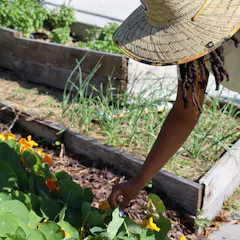
A study of dozens of city gardens and urban farms across the US and Europe found several ways to boost their benefits, not just for their neighborhoods, but for the planet.
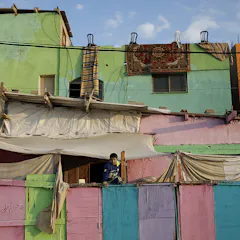
When people find themselves displaced from their homes, finding or creating beauty can be just as vital as food, water and shelter − and serves as a form of resistance and resilience.

As we approach the start of gardening season, it’s a good time to ask some questions about what to plant and who gets to plant.
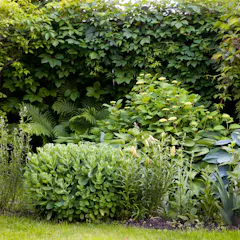
Instead of focusing their limited time, energy and finances in effective interventions in their gardens, many individual gardeners are falling prey to greenwashing.
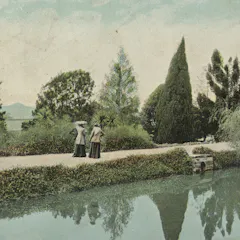
As early as 1885, Richard Schomburgk told Nature about the drought affecting the Adelaide Botanic Gardens.

Food forests are urban oases that pack a lot into small spaces, including food production, local cooling and social connections.

Plath’s sublime nature poetry deserves widespread appreciation for its unfettered joy and deep attunement to the natural world.
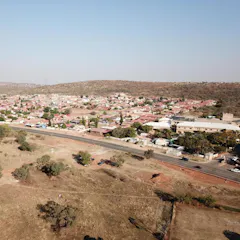
South Africa needs to integrate urban green spaces as part of valuable infrastructure and provide framework for their sustainability.
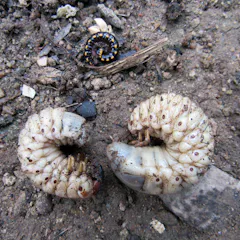
Many gardeners worry these large larvae might damage plants. But before you squish them, read this.
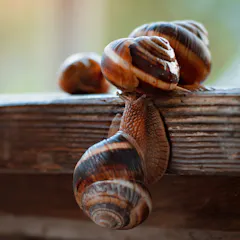
Snails use their slime to help them move, stop them drying out and to scare off predators.
Top contributors
-

Senior Research Associate, School of Agriculture, Food and Ecosystem Sciences, The University of Melbourne
-
Principal Horticultural Scientist (RHS)/RHS Fellow, University of Reading
-
Adjunct Lecturer/ Ecologist, University of New England
-
Founder of Msit No’kmaq
-
Postdoctoral Researcher in Mycology, West Virginia University
-
PhD Candidate, Social Justice Education, Ontario Institute for Studies in Education, University of Toronto
-
Researcher, School of Life and Environmental Sciences, Deakin University
-
Senior Lecturer in Ecology, Royal Holloway, University of London
-
Professor in Environmental & Landscape Planning, University of Manchester
-
Vice Chancellor's Research Fellow in Ecology and Entomology, Edith Cowan University
-
Head of Urbanism, Centre for Sustainable Communities, University of Hertfordshire
-
Knowledge Exchange Fellow, University of Oxford
-
Lecturer, Lancaster Environment Centre, Lancaster University
-
Research Fellow Apiculture, University of Sussex
-
Professor in Zoology, James Cook University