
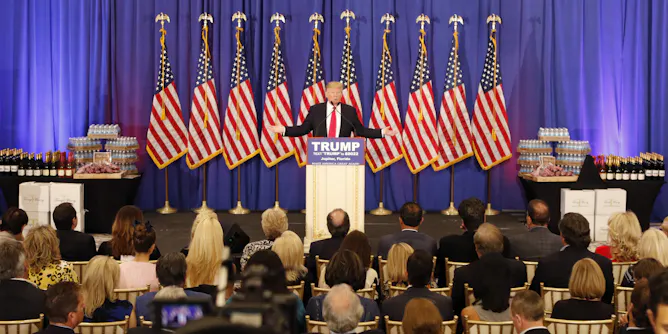
How can journalists resist a master media manipulator, reach local communities and sift through fake news and propaganda? Media experts explore the challenges of covering the next administration.
Articles on Free speech
Displaying 321 - 340 of 393 articles

Highly restrictive speech codes are now the norm in some of the world’s universities.
EU law needs to recognise that privacy and free expression are matters of colliding rights which can’t be wished away.
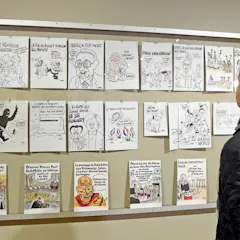
A more nuanced approach is needed to what upsets or disturbs people.

Truth’s victory over hate propaganda is neither automatic nor preordained. It requires a commitment to equal rights and norms of tolerance.
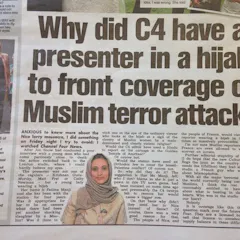
Why the Editors’ Code of Practice needs to be reformed.
Lionel Shriver’s controversial speech about cultural appropriation has made headlines around the world. But the debate need not be a binary one – novelists might approach characters from other cultures as ‘thoughtful tourists’.
The Australian media are all for free speech – until it clashes with their politics.
The concept of ‘free speech’ is devilishly difficult, and depends greatly on a person’s political and philosophical viewpoint.
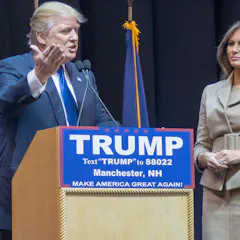
Recent changes to the defamation laws make it more difficult for a non-resident to sue for libel in the UK.
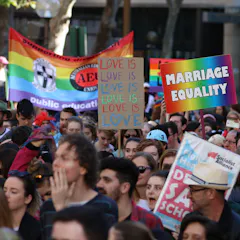
Freedom of speech does not mean you can say anything to anyone, regardless of the damage it does – an important consideration in the debate over a same-sex marriage plebiscite.
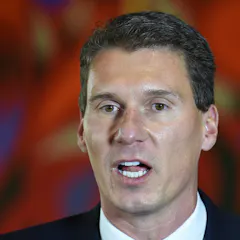
The Constitution’s external affairs power does not support Section 18C. And the section also impermissibly infringes the implied freedom of political communication.
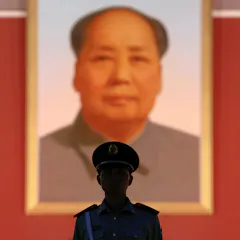
In China, art is called upon to promote the Communist Party’s agenda. But the staging of concerts here commemorating Mao Zedong’s death poses thorny questions about artistic freedom.
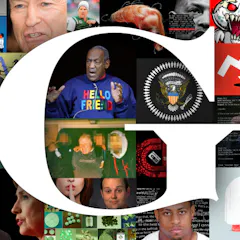
Nick Denton’s controversial online site offended too many powerful people.

David Leyonhjelm’s complaint over being called an ‘angry white male’ could showcase the difficulty in launching a successful action under Section 18C and undermine an argument in support of repeal.
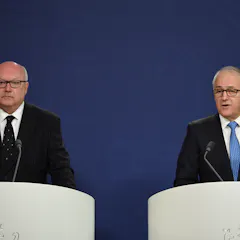
Section 18C is limited in scope, and it would thus be wrong to claim that free speech carte blanche is under threat.
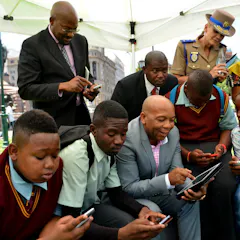
That South Africa has voted against rights enshrined in its globally celebrated, progressive constitution suggests a troubling indifference to its human rights commitments.

Are speech codes and free-speech zones silencing speech on college and university campuses?
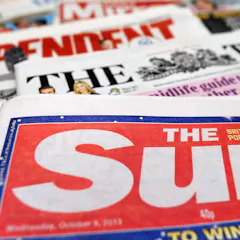
There is a stronger public interest in privacy than in revealing salacious showbiz title-tattle, no matter what the papers say.
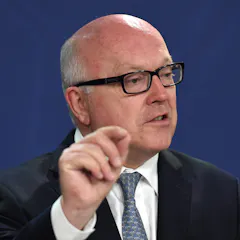
The Australian Law Reform Commission has given George Brandis a report that does all that it reasonably could, while falling well short of what it was asked to do.
Top contributors
-

Senior Research Fellow, Centre for Advancing Journalism, The University of Melbourne
-
Deputy Executive Dean and Associate Dean (Academic), Faculty of Humanities, Arts and Social Sciences, The University of Queensland
-
Deputy Director, Institute for Ethics, Governance & Law, Griffith University
-
Professor Emeritus of Communication and Rhetorical Studies, Syracuse University
-
Associate Professor of Philosophy and Law, Wayne State University; Institute for Humane Studies
-
Professor of Law and Humanities, Queen Mary University of London
-
Brechner Eminent Scholar in Mass Communication, University of Florida
-
Professorial Fellow, University of Canberra
-
Professor of Law; Kim Santow Chair of Law and Social Justice, University of Sydney
-
Programmes Manager and Research Fellow, the Bonavero Institute of Human Rights, Faculty of Law, University of Oxford
-
Professor of Law, Gonzaga University
-
Stephanie A. (Sam) Martin is a Friend of The Conversation.
Frank and Bethine Church Endowed Chair of Public Affairs, Boise State University
-
Senior Lecturer in Political Theory and Philosophy, Queen's University Belfast
-
Emeritus Professor of Sociology, University of Technology Sydney
-
University Research Professor of Education, University of Kentucky