
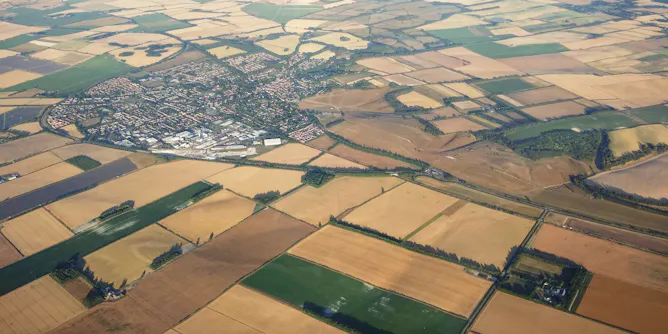
Complex systems require multiple indicators. A UK food resilience index could identify developing weaknesses in the food system before they become failures.
Articles on Food supply chain
Displaying 1 - 20 of 33 articles
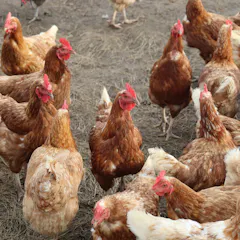
The poultry industry is on high alert. But authorities have had years to prepare for this moment and plans are being put in place.
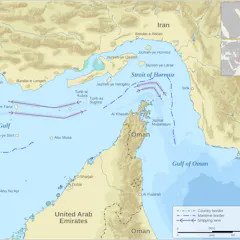
As the Strait of Hormuz reopens, a new study reveals what the agri-food industry’s priorities should be to overcome such an unprecedented logistical challenge.

By improving how freshness data is measured and shared, Canada can waste less food, lower costs for households, reduce emissions and build a more resilient food system
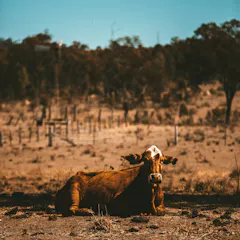
Australia produces enough food for 75 million people. But intensifying heat and natural disasters and competition for water are eroding food security.

US consumers, already feeling pain at the gas pump, can expect higher prices and prolonged shortages for goods of all sorts, including food, as additional consequences of slowed oil production.

High demand for dairy has been good for farmers. But with the price of butter nearing $10, shoppers are asking if it’s time for the government to get involved.
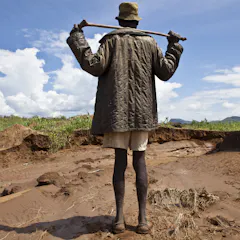
The absence of the early warning network will affect Kenya’s ability to address food insecurity.
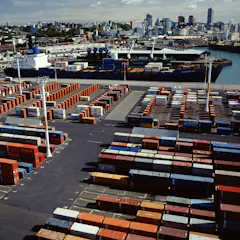
COVID-19 and recent geopolitical crises have shown just how vulnerable New Zealand’s supply chain is. Resilience and sustainability will require businesses to find new ways of working,
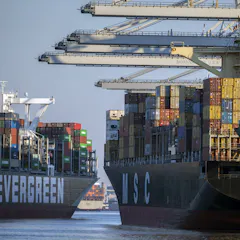
This is the first strike at East Coast ports since 1977. About 45,000 workers have walked off the job.

Severe weather and disease in Brazil’s main growing regions have led to a major global shortage. Australia does grow a lot of its own oranges, but still relies heavily on imported juice.
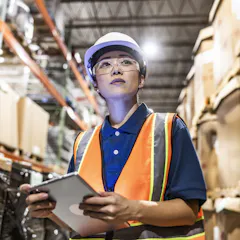
Companies need adept planning to solve supply chain issues.
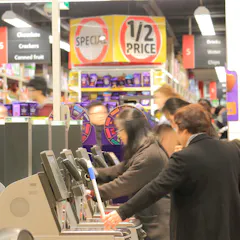
A Senate enquiry has found both suppliers and customers of our supermarkets are struggling. Regulators have to find a way to rebalance the market, which doesn’t make these groups bear the cost.

Food fraud costs billions globally. But blockchain and machine learning offer hope for a more transparent and safer food system.
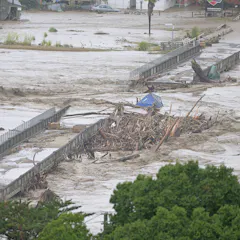
New Zealand’s food system – from production to delivery – has been built around efficiency rather than resilience to climate change and natural disasters. But there are solutions.

Russia’s move, which it followed by bombing the key port city of Odesa and threatening to attack any ship sailing for Ukraine, sent global food prices skyrocketing.

We need a comprehensive code of conduct that ensures the long-term sustainability of the industry, while also protecting consumers in the event of future supply imbalances.

Australian startup MilkRun may have attracted more than $85 million in venture capital but it always had a challenging business model.
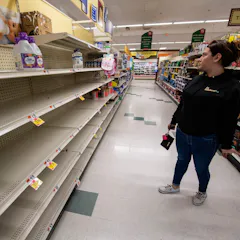
Many families in the US encountered empty shelves when they went in search of infant formula during COVID-19.
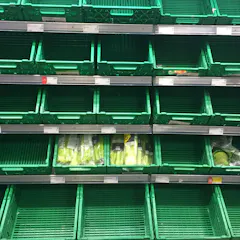
The food aid supply chain relies on surplus.
Top contributors
-

Eugene M. Isenberg Chair in Integrative Studies, UMass Amherst
-
Professor of Agricultural Economics, Lincoln University, New Zealand
-
Associate Professor of Digital Forensics, Arizona State University
-
Senior Lecturer in Development Economics, University of Manchester; Independent Social Research Foundation
-
Strategist, Advisor, Academic Researcher, Founder Shantalla Inc., University of Reading
-
Research Fellow, Deakin University
-
Professor, Operations and Supply Chain Management, University of Calgary
-
Adjunct lecturer, University of Sydney
-
Professor, Queensland University of Technology
-
Senior Lecturer in Operations and Innovation Management, CQUniversity Australia
-
Visiting Scientist, Humboldt University of Berlin
-
Bernard T. Ferrari Professor of Business, Johns Hopkins University
-
Senior Lecturer in Climate Science, Imperial College London
-
Associate Professor in Food Systems, The University of Melbourne
-
Postdoctoral Research Fellow, Queensland University of Technology