
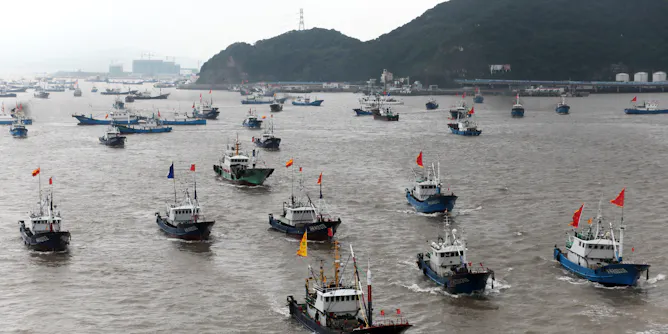
Chinese fishermen are illegally trawling South American waters, inflaming tensions with the US. But for centuries Washington used aggressive fishing to expand its overseas presence, too.
Articles on Fishing
Displaying 161 - 180 of 294 articles
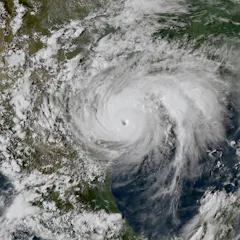
Hurricane Harvey destroyed the fishing infrastructure of Aransas Bay and reduced fishing by 80% over the following year. This removed humans from the trophic cascade and whole food webs changed.
The latest incident highlights a mismatch between ocean law and marine ecosystems.
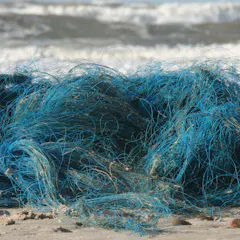
An enormous amount of fishing gear is cut loose in the ocean each year. The losses cut into fishers’ profits and kill marine wildlife. A new project aims to get ghost gear out of the ocean.

Africa’s blue economy initiatives focused on economic outcomes. Limited attention was given to social equity and ecological sustainability.
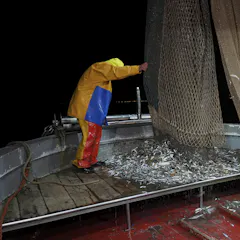
Everyone who cares about marine biodiversity, fish, fishers, coastal communities and fishing industry workers of today and tomorrow must push for the end of fisheries subsidies.
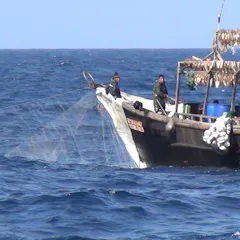
Satellite technology and machine learning are helping track down illegal and environmentally damaging ‘dark fleets’ of fishing boats.
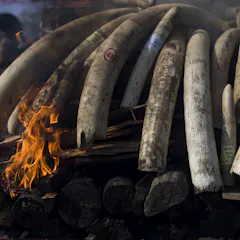
In the 1800s, Americans hunted many wild species near or into extinction. Then in the early 1900s, the US shifted from uncontrolled consumption of wildlife to conservation. Could Asia follow suit?
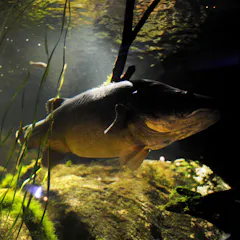
Fish must be released into good quality water, with suitable habitat and lots of food. These conditions have been quite rare in Murray Darling rivers in recent years.
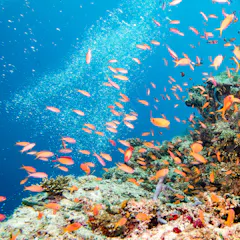
Biodiversity is often highest in places with human activity. The fishing industry has shown we can often have it both ways: maintain important livelihoods while protecting precious marine life.
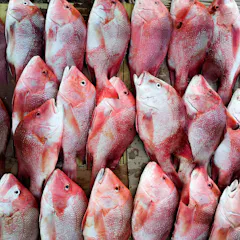
Without understanding which fish species and habitats local fishers rely on, export bans can do more harm than good.

Regulations have lowered mercury emissions globally, but the risks to ocean ecosystems and human health may be getting worse.
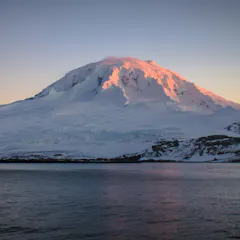
Scientists are uncovering the secrets of a giant undersea rock shelf, parts of which lie four kilometres below the ocean’s surface.
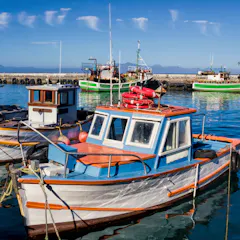
It’s possible for local fishing communities to have a say in managing the system they work in.
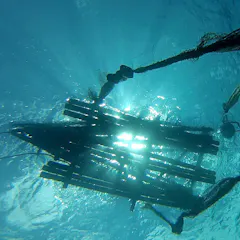
Fishers who hunt wild tuna use fish’s natural attraction to floating objects to lure them to known positions near GPS-equipped rafts. However, these rafts are attracting increasing concern.

Monitoring the timing of recurring biological events is key to understanding the effects of climate change.

Fish can’t read maps, and their eggs and larvae drift across national boundaries. Recent research shows that local problems in one fishery can affect others across wide areas.
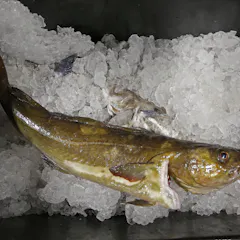
As the oceans warm, fish are moving to stay in temperature zones where they have evolved to live. This is helping some species, hurting others and causing a net reduction in potential catch.
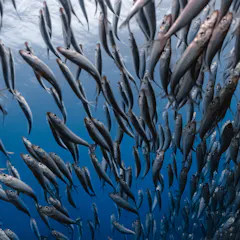
South Africa’s annual sardine run is occurring increasingly late, and there have been instances where it doesn’t happen at all. Here’s why.
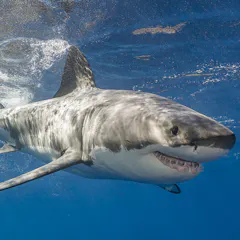
Even the remote open ocean offers no escape from industrial fishing for sharks.
Top contributors
-

Director & Professor, Fisheries Economics Research Unit, University of British Columbia
-
Wen Family Chair in Conservation, The University of Western Australia
-
Associate Professor, Marine Ecology and Fisheries Biology, University of Plymouth; Marine Biological Association
-
Professor of Marine Ecology, University of Technology Sydney
-
Professor of Complex Systems and Environmental Policy, Bournemouth University
-
Senior Research Fellow, Conservation Science, University of Oxford; Bangor University
-
Professor & ARC Laureate Fellow, Thriving Oceans Research Hub, School of Geosciences, University of Sydney
-
Research Scientist, Fisheries & Marine Institute, Memorial University of Newfoundland
-
Chief Scientist, Heriot-Watt University
-
Emeritus Professor of Environmental Governance, UCL
-
Researcher in Ecosystem Dynamics, University of California, Santa Cruz
-
Professor, Conservation Biology, The University of Queensland
-
Senior Principal Research Scientist, CSIRO
-
Associate professor, Singapore Management University
-
Associate Professor in Marine Biology, Swansea University