

On Black Friday, November 24, outdoor retailer REI will close its stores and urge customers to #OptOutside. But a historian calls this popular campaign light green environmentalism at best.
Articles on Fishing
Displaying 221 - 240 of 294 articles
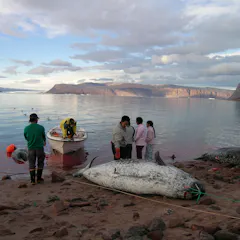
The North Water Polynya, or Pikialasorsuaq, is a key ocean area for Arctic animals and for Inuit hunting and fishing. Rocket launches threaten to contaminate the area with harmful chemicals.
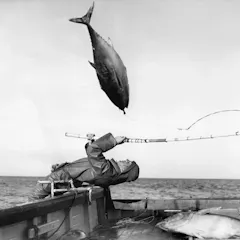
The history of fisheries exploitation in Australia reveals a staggering natural bounty, which has been alarmingly fragile without proper management.

Environmental law and natural resource experts respond to Interior Secretary Ryan Zinke’s proposals to shrink four national monuments and allow logging, fishing and other activities in six more.
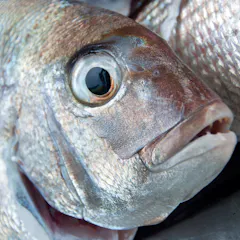
New Zealand’s fisheries are considered among the best managed in the world, but this perception doesn’t match the facts.
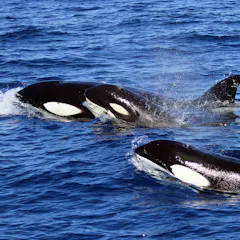
The government aims to dramatically reduce the areas offered full protection and expand zones where fishing is allowed, while also claiming that this will still deliver good conservation.

A new study finds that even in best-case scenarios, the fishing communities most hurt by climate change are on small island nations such as Kiribati, the Solomon Islands and the Maldives.
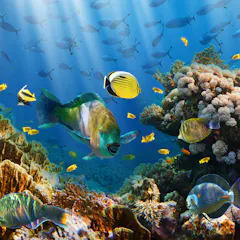
The UN Ocean Conference provides a golden opportunity for countries to present their aspirations for sustainably growing their ‘blue’ economies.
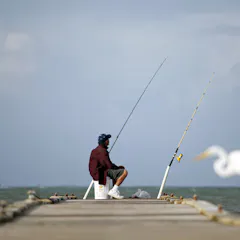
At society’s margins, people without access to the mainstream job economy are able to carve out lives rich in other resources and community.
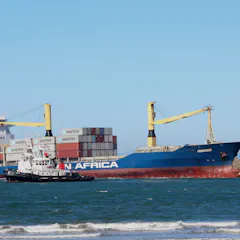
Many African countries are sitting on vast and under-utilised oceanic territories that have the potential to unlock enormous economic value, if properly governed.
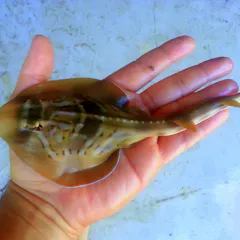
Rays caught unintentionally by fishing trawlers often spend time on deck before being returned to the ocean. New research shows the stress of this experience affects pregnant rays, and their babies.
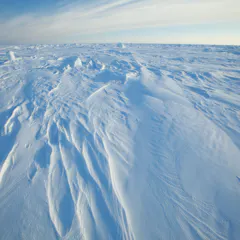
Changes in governance in the Arctic region could supply an example of how the two global powers can cultivate a peaceful co-existence.
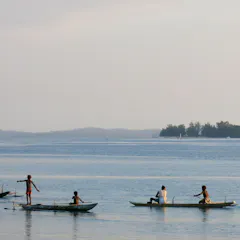
Coastal indigenous peoples consume nearly four times more seafood per capita than the world average and have strong cultural ties to the sea. Global ocean policies should preserve these connections.
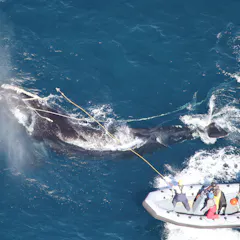
A new US seafood import rule requires supplier countries to control accidental bycatch of whales, seals and other marine mammals – showing that global trade and conservation can reinforce each other.
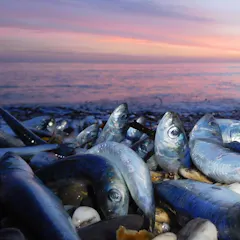
Fishermen had to discard their excess fish – or risk capsizing.
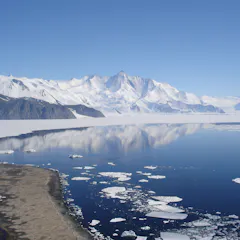
After years of stalled negotiations, China has ended its opposition to the world’s largest marine park off Antarctica - part of a wider trend towards increased Chinese involvement in global governance.
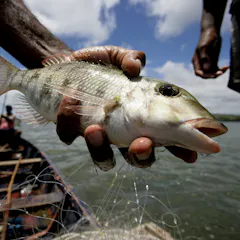
Melanesia’s oceans are worth at least US$5.4 billion, but are under increasing threat.

Many of the iconic coastal villages of Australia have a close association with professional fishing.
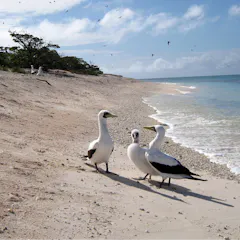
The marine reserves review has recommended major changes to the Coral Sea, but not for the better.
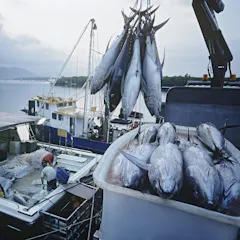
The public and political debate about marine reserves often comes down to one thing: fishing.
Top contributors
-

Director & Professor, Fisheries Economics Research Unit, University of British Columbia
-
Wen Family Chair in Conservation, The University of Western Australia
-
Associate Professor, Marine Ecology and Fisheries Biology, University of Plymouth; Marine Biological Association
-
Professor of Marine Ecology, University of Technology Sydney
-
Professor of Complex Systems and Environmental Policy, Bournemouth University
-
Senior Research Fellow, Conservation Science, University of Oxford; Bangor University
-
Professor & ARC Laureate Fellow, Thriving Oceans Research Hub, School of Geosciences, University of Sydney
-
Research Scientist, Fisheries & Marine Institute, Memorial University of Newfoundland
-
Chief Scientist, Heriot-Watt University
-
Emeritus Professor of Environmental Governance, UCL
-
Researcher in Ecosystem Dynamics, University of California, Santa Cruz
-
Professor, Conservation Biology, The University of Queensland
-
Senior Principal Research Scientist, CSIRO
-
Associate professor, Singapore Management University
-
Associate Professor in Marine Biology, Swansea University