
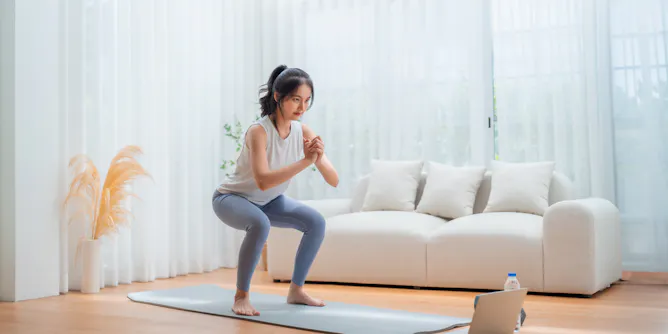
Just a few squats several times a day can counteract the harmful effects of sitting for long periods.
Articles on Exercise
Displaying 121 - 140 of 808 articles
Our study also found that people who used a wearable fitness tracker were three times more likely to still be active a year later.
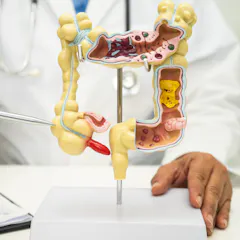
The puzzling rise of this rare cancer in young adults.
The interval walking trend from Japan is gaining global attention.
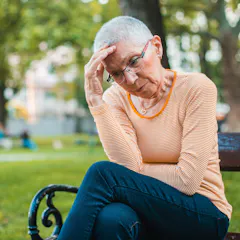
Even small lifestyle changes – such as more social interaction and a better diet – can help reduce stress.
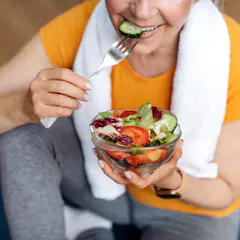
Proteins and micronutrients are key to reducing the risks of exercising later in life.
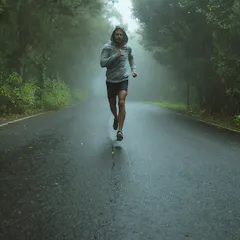
The truth is there’s no one right way to run. Your ideal technique depends on factors such as leg length and muscle mass. But there are five basics to keep in mind.
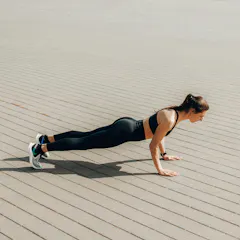
Abs are one element of the core muscles, so they’re similar in many ways – but the terms are often used with different connotations.
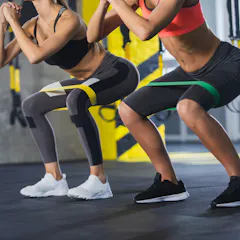
Compression gear is everywhere – worn by weekend warriors, elite athletes and influencers. But do these skin-tight tops and leggings actually help?
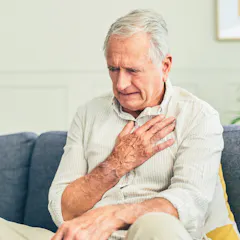
Patients with chest pain who have a sedentary lifestyle are at higher risk for more heart problems and death within the year following hospitalization.
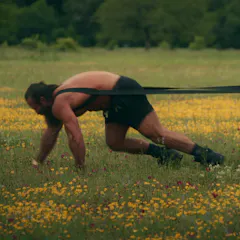
Boosted by algorithms, many influencers are framing suffering as fitness, and failing young men in the process.
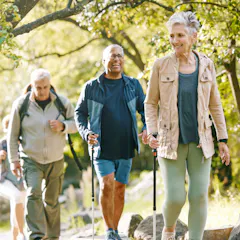
Study shows how small changes make a big difference when it comes to physical activity and reducing cancer risk.
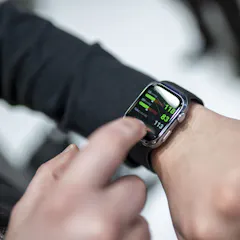
As wearable technologies become more popular, it’s important to consider how they actually work and what their data actually tells us.

People living in remote Indigenous communities have much higher rates of chronic disease compared to the overall Australian population. This program could help.
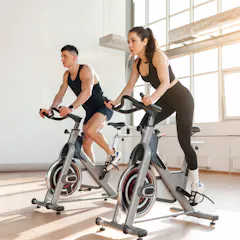
Even one-minute bursts of activity throughout the day can have benefits for your health.

Pushing a stroller changes how runners move, lowering some injury risks while raising others. Here’s what the biomechanics data reveals.
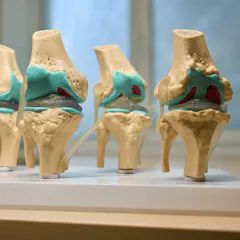
A new review has identified more than 150 factors that influence the risk of knee osteoarthritis. These are the key ones to consider.

Our study found that older adults are no more likely to experience muscle soreness after a workout than young adults are.

Sometimes the body knows what’s best for us, even if we’re not aware of the science.
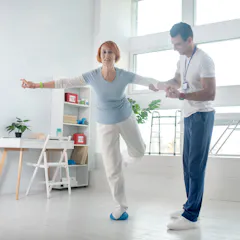
Balance tells us more than anything else about elderly people’s physical health.
Top contributors
-

Lecturer in Exercise Science, Adelaide University
-
Professor of Exercise Physiology, Anglia Ruskin University
-
Professor of Physical Activity, Lifestyle, and Population Health, University of Sydney
-
Senior Lecturer in Clinical Exercise Physiology, University of East London
-
Professor of Health Sciences, Simon Fraser University
-
Senior Lecturer in Performance Analysis of Sport, Nottingham Trent University
-
Professor of Nutritional Physiology, Anglia Ruskin University
-
Professor of Health Sciences, Adelaide University
-
Lecturer in Physiotherapy, Adelaide University
-
Professor, research professor in exercise, nutrition and activity, Adelaide University
-
Course Lead, Sheffield Hallam University
-
Research Fellow, Allied Health & Human Performance, Adelaide University
-
Senior Lecturer, Exercise Physiology. School of Health Sciences, UNSW
-
Lecturer, School of Sport, Rehabilitation and Exercise Sciences, University of Essex
-
Senior Lecturer in Integrative Physiology, Lancaster University