
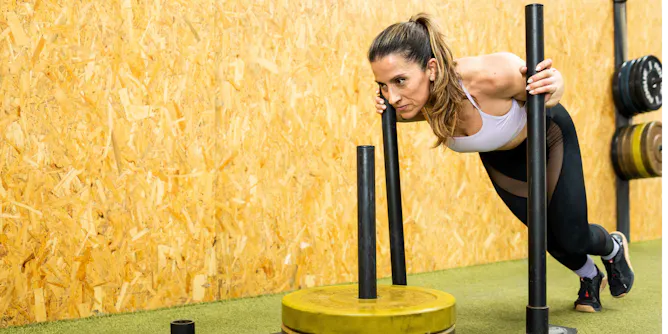
A combination of strength training and endurance exercise was shown to be the most beneficial for post-menopausal women.
Articles on Exercise
Displaying 181 - 200 of 808 articles
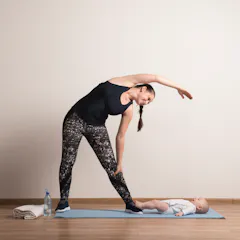
For stressed-out mothers, exercise can boost mental well-being. But if a fitness routine isn’t flexible, it can be just another task on an endless to-do list.

Whether ‘adaptive’ equipment is expensive or affordable, expert guidance is essential for many people with disabilities.
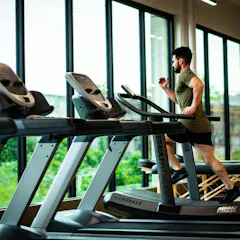
Do you tend to exercise mainly on the weekends? A new study finds this could offer equivalent benefits for brain health and mental health as staying active throughout the week.

Even the type of street trees planted in a city can make a huge difference.

Most people with knee osteoarthritis can control their pain and improve their mobility without surgery, according to updated treatment guidelines. Here’s how.
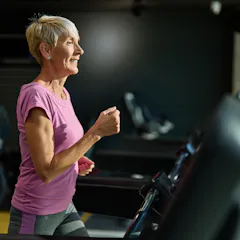
The benefits of HIIT workouts persisted even five years later.
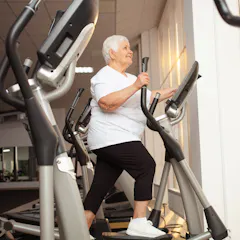
Sarcopenic obesity can creep up on us gradually over time. People might not appear frail or thin, but may have in fact already lost quite a lot of muscle through lack of use.
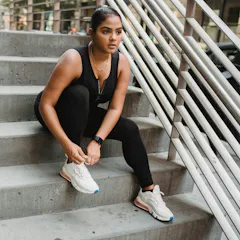
You’re ready to get off the couch. But is it to early to go for a run? Here’s what to consider.

Engaging diet and exercise specialists for depression may help address long waitlists for psychologists amid a worsening shortage.
Athletes have different gut microbiomes compared with the general population. Some of these microbes are thought to improve endurance and recovery by optimizing the cell’s powerhouses.

Many doctors use ‘motivational interviewing’ to encourage patients to change unhealthy habits, but my new research shows this may be no more effective than other activity programmes.
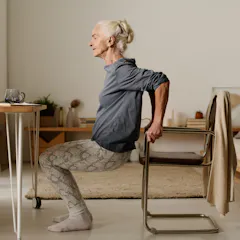
Shorter bouts of exercise – as little as 20 seconds at a time – could do you a world of good.
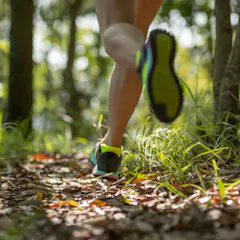
It would be fair to assume elite athletes focus intensely on their chosen sport. However, some are now turning to exploration, which can deliver surprising benefits.
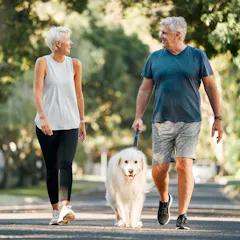
Walking encourages gentle movement of the spine and hip joints, promoting flexibility and preventing stiffness.

Windy walks and gassy gaits. How exercise may have benefits for your gut health.

On average, when looking at change between Year 7 and 10, every one-hour increase in sleep per night was linked to a 9% reduction in psychological distress.
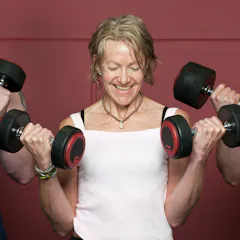
Being strong can help you stay independent for longer, lower risk of injuries and is beneficial for overall wellbeing.
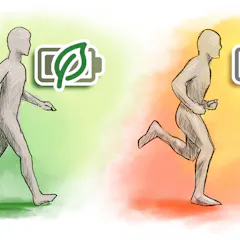
Over the same distance, you’ll go faster by running, but you’ll be active for longer by walking. What costs us the most energy?
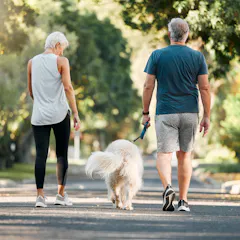
In a new study, we found that a program combining walking and education can effectively reduce the recurrence of low back pain.
Top contributors
-

Lecturer in Exercise Science, Adelaide University
-
Professor of Exercise Physiology, Anglia Ruskin University
-
Professor of Physical Activity, Lifestyle, and Population Health, University of Sydney
-
Senior Lecturer in Clinical Exercise Physiology, University of East London
-
Professor of Health Sciences, Simon Fraser University
-
Senior Lecturer in Performance Analysis of Sport, Nottingham Trent University
-
Professor of Nutritional Physiology, Anglia Ruskin University
-
Professor of Health Sciences, Adelaide University
-
Lecturer in Physiotherapy, Adelaide University
-
Professor, research professor in exercise, nutrition and activity, Adelaide University
-
Course Lead, Sheffield Hallam University
-
Research Fellow, Allied Health & Human Performance, Adelaide University
-
Senior Lecturer, Exercise Physiology. School of Health Sciences, UNSW
-
Lecturer, School of Sport, Rehabilitation and Exercise Sciences, University of Essex
-
Senior Lecturer in Integrative Physiology, Lancaster University