
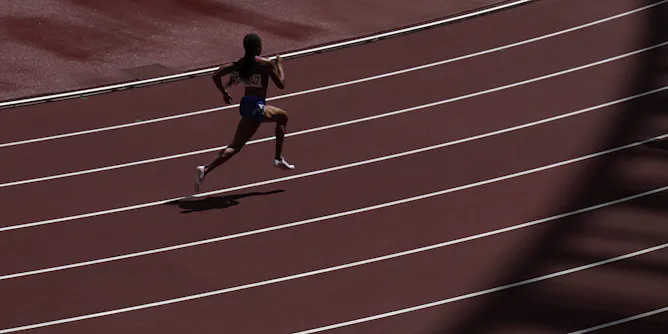
The same principles that help athletes on the court, field or track can help you regulate stress and adapt to changes in everyday life.
Articles on Exercise
Displaying 101 - 120 of 808 articles
A biokineticist offers four tips to help your heart.

Running may offer an organizing lifestyle structure that supports a non-linear recovery process for people living with addiction.

Creatine’s growth in popularity is largely due to young men’s desire to increase muscle size and muscle strength.
Falls are a common cause of disability and loss of independence in older age. But many falls are preventable.
Losing weight is hard – and it’s not just about willpower. Biology, environment and inequality all play a role.

A philosopher argues that true leisure is when we can reflect on our real priorities, cultivate friendships and decide what kind of life we want to live.
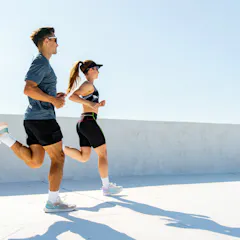
Runners tend to have thicker cartilage in their knees – which cushions and protects the joint – compared to non-runners.

The wrestling legend had numerous health issues before his death at 71.

Peeing when you run or jump isn’t “just one of those things.” It’s a sign your pelvic floor needs support.
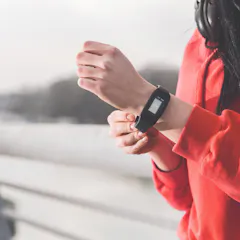
People hitting 7,000 daily steps had a 47% lower risk of dying prematurely than those managing just 2,000 steps.
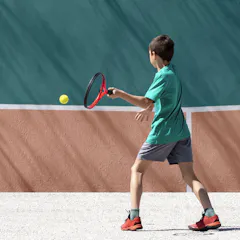
Imagination is a fundamental tool for everyday life. Unsurprisingly, many kids harness it during athletic play, conjuring a fun teammate, a supportive coach or a worthy opponent.
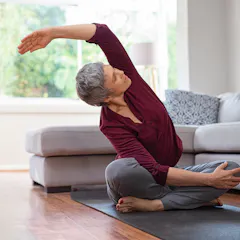
CLL can mean fatigue, fear and years of waiting but new research shows that staying active helps people feel better – and live better.

The Greeks and Romans figured out music and exercise go hand in hand more than 2,000 years ago – long before science backed it.

Factors like your health status and how hard you exercise can help gauge the risk of wildfire smoke exposure.
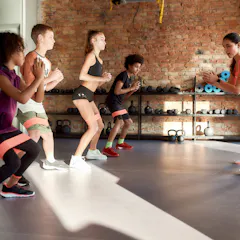
Research confirms that regular exercise can prevent or treat depression and anxiety in teens.
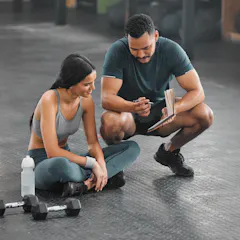
From running and knee health to calorie tracking, a sport and exercise scientist answers some of the most common fitness questions .
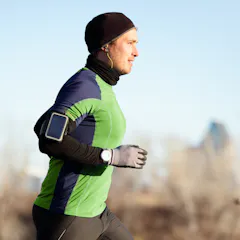
Think it’s too cold to exercise outdoors? Think again, but be aware of winter’s unique challenges and risks.

It’s a lot more dangerous to be sedentary than it is to go to the gym. And remember: nobody is looking at you.

Fruit flies, fast skiers and electrical signals between muscles and neurons are helping researchers uncover a possible link between extreme exercise and MND.
Top contributors
-

Lecturer in Exercise Science, Adelaide University
-
Professor of Exercise Physiology, Anglia Ruskin University
-
Professor of Physical Activity, Lifestyle, and Population Health, University of Sydney
-
Senior Lecturer in Clinical Exercise Physiology, University of East London
-
Professor of Health Sciences, Simon Fraser University
-
Senior Lecturer in Performance Analysis of Sport, Nottingham Trent University
-
Professor of Nutritional Physiology, Anglia Ruskin University
-
Professor of Health Sciences, Adelaide University
-
Lecturer in Physiotherapy, Adelaide University
-
Professor, research professor in exercise, nutrition and activity, Adelaide University
-
Course Lead, Sheffield Hallam University
-
Research Fellow, Allied Health & Human Performance, Adelaide University
-
Senior Lecturer, Exercise Physiology. School of Health Sciences, UNSW
-
Lecturer, School of Sport, Rehabilitation and Exercise Sciences, University of Essex
-
Senior Lecturer in Integrative Physiology, Lancaster University