

To do the jobs “nuts-and-bolts” robots aren’t good at, engineers are creating soft living machines powered by muscle cells.
Articles on Engineering
Displaying 241 - 260 of 315 articles
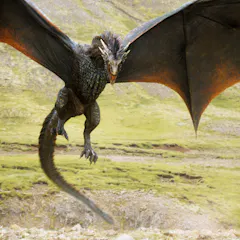
Physics says Game of Thrones dragons can fly. Whoever said maths was useless?
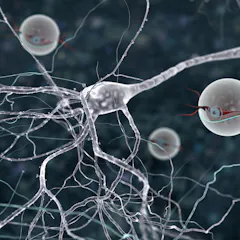
Explosive developments driving the tiniest engines in the world.
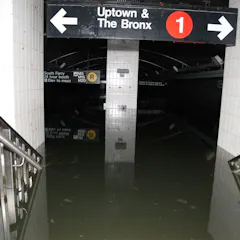
Cities’ metros and subways are threatened by rising flood risks but innovative engineering could protect them.
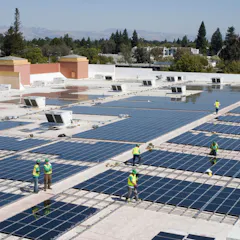
Solar power has enormous potential, but provides only about one percent of world electricity today. An engineer explains the many steps it takes to make solar panels that are efficient, clean and cheap.
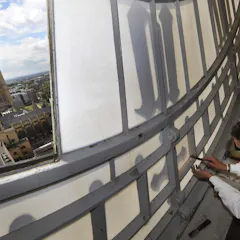
It’s not the bell that needs attention, it’s the Elizabeth Tower that houses it and the Great Clock that makes it chime.
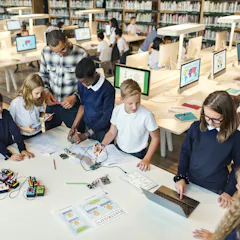
Spending time with scientists and engineers and going to laboratories increases students’ interest in STEM subjects.
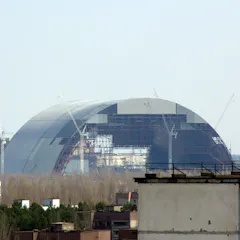
Engineers have devised an innovative way to dismantle Chernobyl’s reactor while preventing further radiation escaping.
Lowering maths prerequisites to study science, engineering and commerce at university has led to students playing catch up for years. This should be fixed.
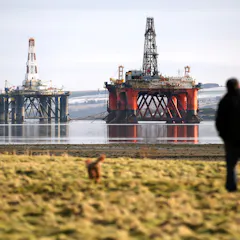
There’s more to decommissioning an oil rig than just towing it away.
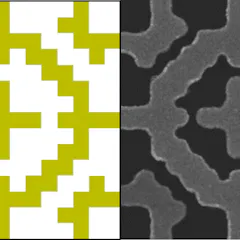
We are beginning to be able to control very precisely how light interacts with matter, creating opportunities for invisibility, soundproofing and even earthquake damage prevention.
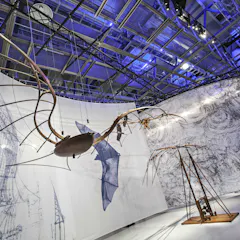
He may not have invented the helicopter, but the real man is more than worthy of the myth.
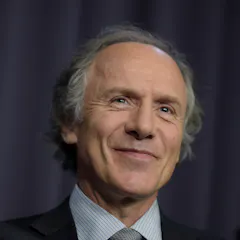
Dr Alan Finkel took over as Australia’s Chief Scientist in January this year. In this exclusive interview, he describes his approach to science, and to issues such as renewable energy and STEM jobs.
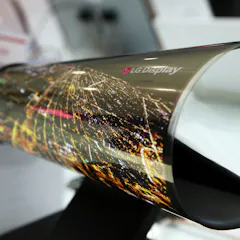
Displays you can roll up and put in your pocket are routinely touted as the next advance in screen technology. So why don’t we have them in our homes yet?

The role of an engineer has diversified over the years to be something more than just building structures. But that is yet to be reflected in the way we teach the engineers of the future.

Cheap, affordable space travel would be revolutionary. Chances are, when it comes, it won’t rely on the brute force approach of rockets.
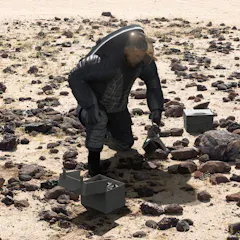
New materials and new designs could help astronauts withstand longer periods of time in space and deal with the hazards of exploring other planets.

Liberal arts institutions teach students critical thinking skills. But rarely do they learn how to collaborate.
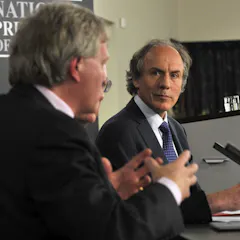
Australia’s new Chief Scientist, Dr Alan Finkel, is a passionate advocate for science and technology, and has argued that Australia should consider nuclear power.
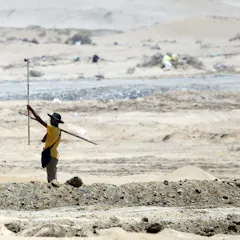
If we want the Sustainable Development Goals to be more than just big dreams, Africa will need well trained engineers who can put their skills to good use in their own communities.
Top contributors
-

Associate Professor, Civil Engineering, Monash University
-
Vice-President, Academic and Research, University of Prince Edward Island
-
Senior lecturer, North-West University
-
Professor of Psychology, University of Washington
-
Professor/Head of Aviation, CQUniversity Australia
-
Lecturer, Cape Peninsula University of Technology
-
Senior lecturer, University of Wollongong
-
Professor of Engineering Dynamics and Vibration, University of Cambridge
-
Dean of Engineering and Professor, McMaster University
-
Former Academic Research Fellow, Khalifa University
-
Associate Professor of Technology Leadership and Innovation, Purdue University
-
Associate Professor of Mechanical Engineering, Purdue University
-
Head of Engineering, Faculty of Creative Industries, Architecture and Engineering, Southampton Solent University
-
Lecturer in Structural Engineering, Loughborough University
-
Professor of English Language and Literature; University Research Chair & Founding Director, Critical Media Lab, University of Waterloo
