

Television personality Jonathan Van Ness is the latest celebrity to speak candidly about their struggles with the condition.
Articles on Eating disorders
Displaying 61 - 80 of 135 articles

What’s the connection between #EatWithMe videos and mukbang? And what are we to make of claims they could help people overcome a fear of eating?

Research has confirmed higher rates of body dysmorphic disorder among people seeking cosmetic procedures, but we don’t know as much about other mental health issues.
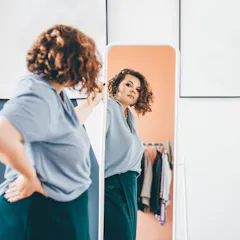
More than 130,000 New Zealanders may suffer from binge eating disorder. Largely invisible, it needs more research to help better diagnosis and treatment.

Some eaters have strong sensory sensitivities. Others find eating a chore or develop rigid beliefs around ‘good’ and ‘bad’ foods.
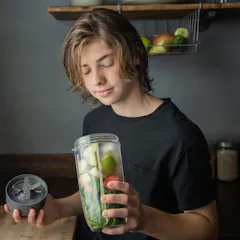
Too sleepy? In a rush? Or something more concerning? Teenagers often get turned off breakfast. Chat to them to find out why and offer some easy options.
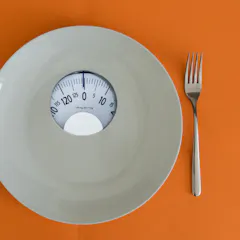
Eating disorders are often misunderstood, but earlier treatment improves outcomes. Let’s dispel some myths, learn how to recognize eating disorders and what to do if someone you love is struggling.

Rates of obesity and eating disorders like anorexia and bulimia both surged among young people over the past two years. Scholars explain why, and how parents can support kids dealing with body shame.
Boys, LGBTQ youth and people with normal body mass index are often overlooked when it comes to recognizing eating disorders, a physician and psychotherapist explain.

By integrating parents and other family members in therapy, young people will have more consistent support between the therapist’s office and their home.
Presentations to a Melbourne eating disorder clinic jumped by 63% in 2020, as young people struggled with isolation, loneliness and boredom.

New information Instagram makes teens feel worse about their bodies is an opportunity for parents to start a conversation with their children about their online lives, and encourage positive habits.
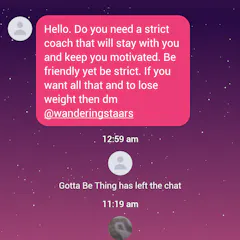
Eating disorder ‘communities’ online can be dangerous places for young and impressionable teens. And social media algorithms further spread harmful content.

After over a year of stress eating and seeing each other only through screens, anxiety over changes in physical appearance can make socializing again a daunting prospect.

Two years ago an inquiry called for major reform of New Zealand’s mental health services, but since then, things got worse rather than better.

Avoidant restrictive intake food disorder is a relatively new condition that researchers are only beginning to understand.
Data from around the world, including Australia, indicate the pandemic has made things more difficult for people with eating disorders for a variety of reasons.

Mirror exposure therapy might actually exacerbate some symptoms for people with eating disorders.

Disrupted routines, inaccessible health services and triggering public behaviours made the pandemic especially difficult.

Regular eating, social interaction and decreasing stress can all help when trying to reassert control over an eating disorder.
Top contributors
-

Clinical Psychologist and Senior Lecturer in Psychology, University of Canberra
-
Assistant Professor of Psychiatry, University of Colorado Anschutz
-
Professor, Head of Body Image, Eating and Weight Disorders Research, Adelaide University
-
Professor of Psychology, Flinders University
-
Senior Lecturer in Clinical Psychology, University of the Sunshine Coast
-
Senior Lecturer in Clinical Psychology, University of the Sunshine Coast
-
Research Fellow, School of Psychological Sciences, Monash University
-
Associate Professor in Health and Physical Education, Victoria University
-
Assistant Professor of Pediatrics, University of Virginia
-
Associate Professor of Clinical Psychology, University of Reading
-
Assistant Professor of Pediatrics, University of Virginia
-
Professor of TV Studies, University of East Anglia
-
Senior Lecturer, Psychology, Bournemouth University
-
Senior Research Fellow, The University of Melbourne
-
Professor of Health Psychology, University of Surrey