

People receiving treatment for alcohol use problems are twice as likely to experience an eating disorder.
Articles on Eating disorders
Displaying 1 - 20 of 135 articles

Alberta’s proposed curriculum risks reinforcing weight stigma, restrictive eating and unhealthy exercise habits among young people.

A recent study found that 77.7% of youth athletes were at risk of developing an eating disorder.

Seeing a loved one lose significant weight or struggle with eating and exercise can be concerning. Approaching a conversation with respect and care can avoid the harms of speculation and silence.

There’s an important difference between scrutiny and concern. Here’s why this matters.
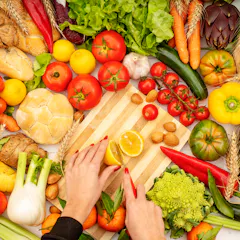
Vegetarian and vegan diets are not linked to more symptoms overall, but the reasons for dietary restriction may still deserve attention.

The new Australian film is an effective exploration of one woman’s eating disorder, and a worthy entry into the growing canon of contemporary female-led horror.
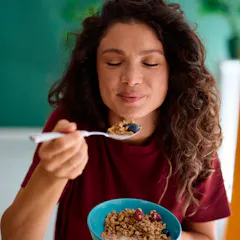
For some people, healthy eating can become an obsession that has a devastating impact on their health and relationships.

Sensationalizing extreme behaviors like self-starvation and ‘bonesmashing’ rather than treating them as mental health symptoms can prevent boys and young men from getting much-needed care.

Here are 4 things to avoid and 3 things to try to help model good eating and body image for your kids.

Recovery typically focuses on a checklist of clinical symptoms. But a new study shows we may be missing what’s most important to those who live with an eating disorder.

Recovery and diet content appear side by side in social media feeds, shaping what vulnerable users see.

Athletes in sports where weight and body image come into play, such as figure skating and wrestling, can be particularly vulnerable.

Social media and advertising is full of messages about what you should or shouldn’t eat. But making health and nutrition so black and white can do more harm than good.

Those in the LGBTQIA+ community have much higher rates of eating disorders than the general population, especially trans and non-binary people.

With a little thought, you can host a meal with family and friends that’s supports everyone.
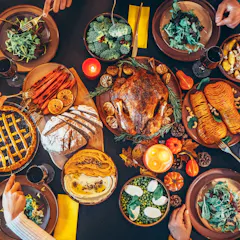
Guilt and discomfort around food can be especially challenging during the holidays. But trusting your body and remembering the social value of sharing meals can help you enjoy yourself.

Parents may dismiss early warning signs of an eating disorder. But if you notice these changes, trust your gut and get help early.

It’s a stereotype that eating disorders mainly affect people from wealthy backgrounds.

Restrictive diets of rice, pineapple or artichoke can cause sudden weight loss – but they aren’t healthy.
Top contributors
-

Clinical Psychologist and Senior Lecturer in Psychology, University of Canberra
-
Assistant Professor of Psychiatry, University of Colorado Anschutz
-
Professor, Head of Body Image, Eating and Weight Disorders Research, Adelaide University
-
Professor of Psychology, Flinders University
-
Senior Lecturer in Clinical Psychology, University of the Sunshine Coast
-
Senior Lecturer in Clinical Psychology, University of the Sunshine Coast
-
Research Fellow, School of Psychological Sciences, Monash University
-
Associate Professor in Health and Physical Education, Victoria University
-
Assistant Professor of Pediatrics, University of Virginia
-
Associate Professor of Clinical Psychology, University of Reading
-
Assistant Professor of Pediatrics, University of Virginia
-
Professor of TV Studies, University of East Anglia
-
Senior Lecturer, Psychology, Bournemouth University
-
Senior Research Fellow, The University of Melbourne
-
Professor of Health Psychology, University of Surrey