

Prescription drug shortages can have a significant effect on quality of life for patients.
Articles on Drug shortages
Displaying 1 - 20 of 25 articles

Don’t cut your patches in half, as this stops them working. There’s no need to ration your supplies – here are other options to ease your menopause symptoms.
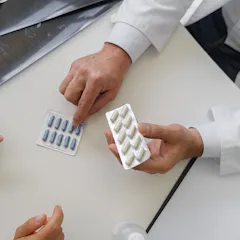
Better information, smarter prescribing and investment in domestic manufacturing could help the NHS weather the growing crisis of medicines running short.

Some people have to call around pharmacies to get their script filled, others change to different medications. And the shortage is expected to continue.
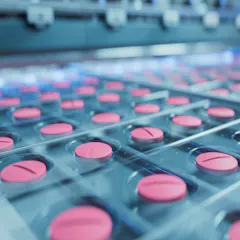
Boosting Australia’s ability to make pharmaceuticals sounds like a great way to ease medicine shortages. But there are simpler, cheaper options we could try first.

People with illnesses that can’t be cured are often in intense pain and discomfort. They rely on opioids such as morphine for relief.

Some IV fluids are in short supply due to higher-than-expected demand and manufacturing issues. But why do IV fluids contain different chemicals? And why can’t they be interchanged when one runs low?

Azithromycin is facing shortages of its liquid formulation, which is used to treat respiratory and other illnesses in children.

Fully 97% of people with ADHD in the UK have had difficulty getting their medication due to supply issues.
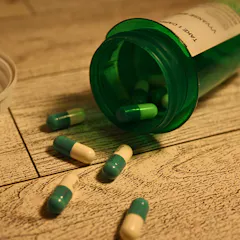
Many Australians with ADHD are having trouble accessing their usual medication. This can create difficulties for people who have previously been managing their symptoms well.

Drugs for menopause, ADHD and type 2 diabetes were all in short supply this year.
An increase in global demand for ADHD drugs is one reason for ongoing shortages.

The COVID-19 pandemic may have played a considerable role in the uptick of adults being treated for ADHD. But more data is needed to determine whether the trends will continue.

The shortages, which have been going on for years, have typically affected only low-cost generics rather than profitable brand-name drugs.
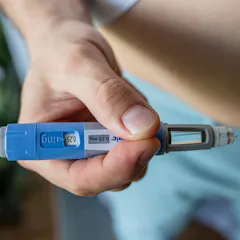
Ongoing shortages of the drug have been reported in the UK, Australi and Ireland.

These shortages are a result of rising demand and supply chain bottlenecks. But there are things that can be done to reduce harms to public health.
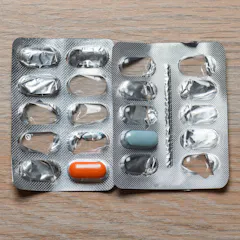
Many common medications – including those prescribed for menopause, dementia, and depression – are currently seeing shortages worldwide.
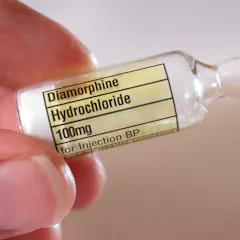
Current supply shortages may also be a problem for people in palliative care or receiving cancer treatment.

COVID-19 has resulted in higher than normal levels of medicine shortages. Here’s what to do if your local pharmacy is out of stock.
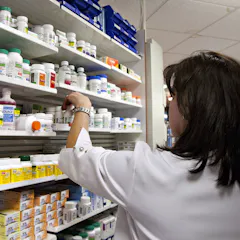
This is a pivotal time for policymakers to be vigilant about drug shortages and to ensure that Canadians have reliable access to safe drugs.
Top contributors
-

Associate Professor in Pharmacy Practice, University of Bradford
-
Professor of Health Service Operations, School of Pharmacy & Medical Sciences, University of Bradford
-
Research Lead/Advanced Clinical Practitioner/Senior Research Fellow, University of Bradford
-
Professor of Pharmaceutical Chemistry, Macquarie University
-
Associate Dean for Research and Faculty Development and Professor of Law, College of Law, Georgia State University
-
Professor Emerita in the Hannah Chair, History of Medicine, Queen's University, Ontario
-
Associate Lecturer and Registered Pharmacist, University of Sydney
-
Senior Lecturer in Operations Management, Department of Management Science, Lancaster University
-
Pharmacist and PhD Candidate, University of Sydney
-
Director of Health Policy, USC Schaeffer Center, and Associate Professor, University of Southern California
-
Associate Professor, Faculty of Law and Cumming School of Medicine; Member, AMR One Health Consortium, University of Calgary
-
Lecturer in Clinical Pharmacy, Aston University
-
Lecturer in Operations Management, Lancaster University
-
Professor of Pediatrics and Medicine Director of Clinical Ethics, Duke University Hospital, Duke University
-
Professor of Psychiatry and Behavioral Sciences, School of Medicine, University of Washington