

Despite promising more hospital beds, faster surgery and extra health workers, major parties are missing the chance to tackle deeper problems in rural health care.
Articles on Hospitals
Displaying 1 - 20 of 320 articles

How the ‘super’ El Niño could trigger a polycrisis: interconnected failures that neither the energy system nor the health-care system can prepare for alone.

A new study linking lower nurse staffing on surgical wards with higher rates of post-operative deaths has raised urgent new questions about NZ’s settings.

Government critics say changes to health insurance rebates will strain the public health system. But the evidence shows the impact might not be what you think.

Hospitals are tasked with making patients better, but when the hospital that provides care also owns the insurance company that pays for that care, the incentives get more complicated.

Victorian voters surveyed named cost of living, crime and health as their top three policy issues, with just over three months until the next state election.

A standardized framework for regulating the safety and efficacy of AI in healthcare has yet to be established.

Six years after Italy became Europe’s COVID-19 ground-zero, successful action led by a victims’ association against health governance failings sets an encouraging precedent.

When First Nations people get the right support in the health system, their physical and mental health improves.
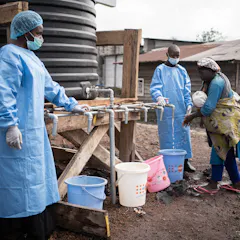
Three experts explain how the rare Bundibugyo strain of Ebola may have crossed continents.

Our study found a way to shorten hospital stays in mental health units by multiple days.

Some new spending initiatives in health should add value, but the budget lacks a long-term vision for building cross-party consensus on improving healthcare.

During and after WWI, thousands of American women acted as mothers for displaced French children. A war studies research fellow weighs in with considerations for teaching this vital, often overlooked part of transatlantic wartime history.

Rural hospitals have high fixed costs, low patient volume and a large portion of patients insured through Medicaid, which typically pays less than private insurers.

Humanitarian personnel put themselves in harm’s way to help others. An international law expert explains how we can keep them safe.

If the government wants to pursue more public-private partnerships, it must consider a funding model that guarantees equity of access.

France may not have oil reserves, but it does have a well-oiled public health service comprising doctors, state-funded hospitals, strong state regulation and medical expenses that are reimbursed.

With robust governance frameworks, AI-enabled technologies have the potential to make high-risk workplaces safer.

A new study from a Pittsburgh hospital finds that trauma patients recover faster when emergency medical teams have shared experience working together.

As nurses in Pittsburgh and nationwide spotlight staffing shortages, better pay and workplace safety, labor negotiations have intensified. Here’s what’s at stake.
Top contributors
-

Honorary Enterprise Professor, School of Population and Global Health, and Department of General Practice and Primary Care, The University of Melbourne
-
Program Director, Health and Aged Care, Grattan Institute
-
Professorial Fellow, University of Canberra
-
State Policy Director, Farley Health Policy Center; Associate Professor of Family Medicine, University of Colorado Anschutz
-
Professor, Public Service Research, UNSW
-
Emeritus Professor, Menzies Centre for Health Policy, University of Sydney
-
Honorary Senior Fellow in Health Service Research, University of Birmingham
-
Emeritus Professor, School of Public Health, Queensland University of Technology
-
Professor of Medicine, Monash University
-
Policy Head, Research Assets, Sax Institute; Co-Director, Australian Primary Health Care Research Institute, Australian National University
-
Chair of Health Services Research, University of Southampton
-
Assistant Professor of Nursing, University of Michigan
-
Associate professor, University of Newcastle
-
Reader in Health Economics, Centre for Health Economics, University of York
-
Professor of Health and Social Care, University of Birmingham