
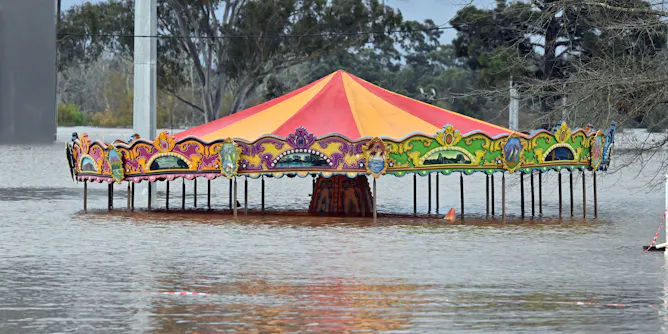
Again, thousands of residents in Western Sydney face a life-threatening flood disaster. Obviously, nature is a major culprit – but other drivers are also at play.
Articles on Disaster response
Displaying 41 - 60 of 89 articles
The federal election presents an opportunity to promote plans for improving national disaster governance and resilience. But the silence on these issues in political debates has been remarkable.

The constantly changing COVID-19 rules can be frustrating. But this pandemic is like no other public health crisis in history. It is better to think of the virus and US responses the way we think about hurricanes.
Thinking carefully about people’s health during and after disaster is crucial to building disaster resilience. Ensuring access to medicines is a core part of that goal.
When presidents are seeking reelection, federal aid comes more often and more quickly.
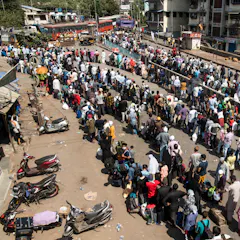
India had the legal ability to classify migrant workers as internally displaced and offer them protection, but instead they were marooned and left to the mercy of fate.
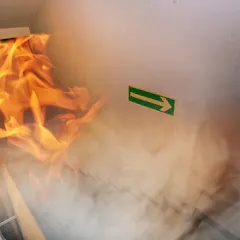
Researchers are using mixed reality technologies to investigate how people behave in in emergency situations. The findings are helping shape disaster responses.
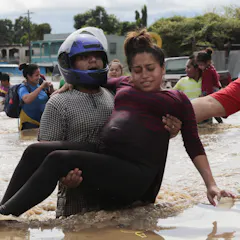
Flood-related stress can have a negative impact on pregnant mothers and their unborn babies. But our research found there are many strategies that can limit the harm.
Internet technologies and the devices that enable information access and transfer are useful in crisis management. Accessing these readily available digital technologies can help community resiliency.
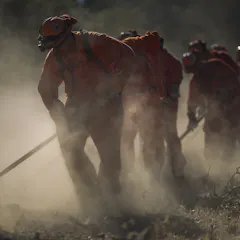
Relying on incarcerated workers in emergencies such as the wildfires ravaging parts of the US is a cheap alternative for states. But what protections are there for prisoners?
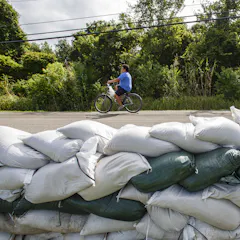
Knowing what makes an effective response to natural disasters will be increasingly important as the climate crisis intensifies.
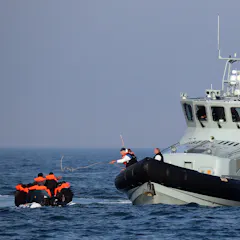
Important news coverage or voyeurism disguised as journalism? It’s complicated.
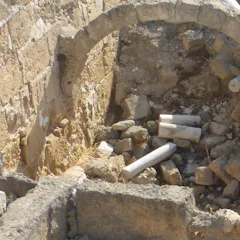
Medieval disaster response was not so different to the measures we use today.
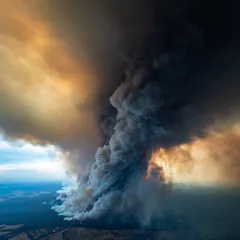
Australian emergency services are using social media for a number of purposes during disasters. What they are not doing well is analysing social media data in real time to improve disaster management.
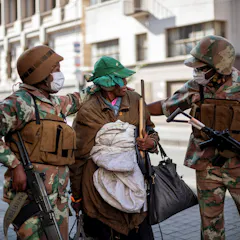
The South African National Defence Force has suffered from terrible neglect over the past 25 years of democracy.
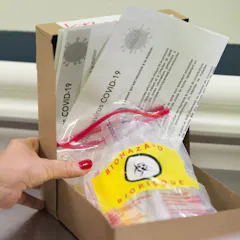
The COVID-19 pandemic may trigger large-scale disruptions such as school closures, event cancellations and movement restrictions.
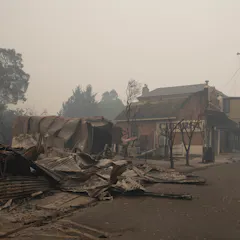
Australia can learn from how India used community hubs to bridge the gap between government and local communities in the challenging years of reconstruction.
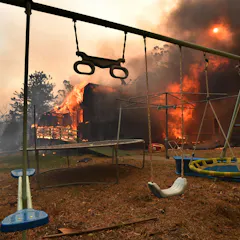
One lesson from Australia’s past bushfire disasters is that too many homes are underinsured. But it’s a lesson we’ve failed to learn.
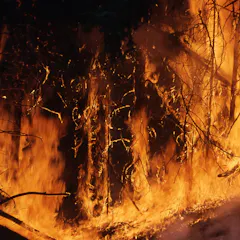
The convergence of technologies such as 5G, artificial intelligence and virtual reality may offer hope for the way we manage future bushfire disasters.
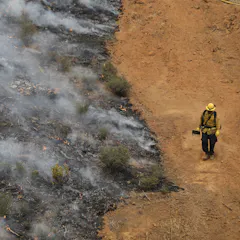
Researchers like myself are finding transformative new ways to help planners, leaders and first responders tackle disasters from afar.
Top contributors
-

Associate Professor of Disaster and Emergency Management, York University, Canada
-
Director, Disaster Research Center and Professor, Public Policy & Administration, University of Delaware
-
Professor of Sociology and Director, Disaster Research Center, University of Delaware
-
Associate Professor of Landscape Architecture and Urban Planning, Texas A&M University
-
Assistant Professor of Sociology, University of Houston
-
Professor Emeritus of Risk Management and Insurance, Georgia State University
-
Senior Lecturer, School of Global, Urban and Social Studies, RMIT University
-
Associate professor, Kean University
-
Professor of Emergency Medicine, The Ohio State University
-
Associate Professor of Emergency Medicine, The Ohio State University
-
Professor of Electrical, Computer and Biomedical Engineering, University of Hartford
-
Senior Lecturer in Human Geography, Royal Holloway, University of London
-
Professor of Pyrogeography and Fire Science, University of Tasmania
-
PhD Candidate in Geography and Demography, Penn State
-
Senior Lecturer in Communications, Media and Democracy, University of Glasgow