
In reality, cybersecurity attacks are like a disease affecting people globally.
Articles on Cyberattacks
Displaying 141 - 160 of 213 articles

The difference between probing and mapping and actually attacking depends on the intent of the people doing it, which is hard to figure out and may change. The dangers, however, remain worrying.
Experts explain the task of securing the electrical grid against cyberattacks, and discuss potential solutions and the risk of failure.

Universities are uniquely placed to ensure that those who manage security of networks and data work closely with those who research and study the same problem.

Malicious code or deliberate design faults can be inserted into everyday business products before they even leave the original manufacturer. Here’s how you can protect yourself.

All the cyber threats that fans and footballers face at the World Cup…and tips for remaining safe.
Cyber deterrence is based on outdated ideas developed during the Cold War, but with cyber crime projected to hit US$6 trillion by 2021, cyber security requires new approaches.

A vigilant public is a necessary component in our collective security strategy against cyber attacks.
The international community should set bright line rules on appropriate responses to cyber attacks before an expansive reading of the “self-defense” clause triggers war.

World Water Day shines a light on the importance of safe, clean drinking water, but a new report finds Canada’s freshwater systems are under stress.
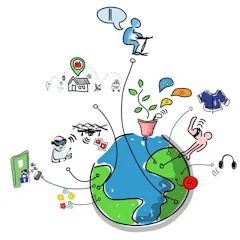
More connected devices means more vulnerability to cyberattacks. Is there a cheap, easy and secure way to protect the internet and the world?

North Korea’s cyber army is closely controlled by the ruling regime – a key difference from other countries’ cyberattack and espionage groups.

A delicate truce between North and South Korea has been reached in the run up to the Winter Olympics. It’s a high profile win for an event which is struggling to remain relevant.
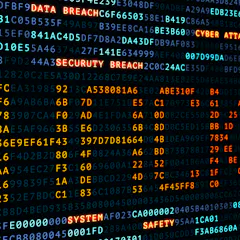
Cyber security has dominated international affairs in 2017, with the US election hack as one of the main stories. The ongoing investigation shows that cyber attacks can subvert systems of governance.

Biologists’ growing reliance on computers advances the field – but comes with new risks. The first step toward improved cyberbiosecurity is increasing awareness of possible threats.

The rate at which valuable identity information is flying out of the control of firms is alarming – more than 3,500 records per minute.

Cloud computing is on the rise, but so are questions about its security. This is why we need systems where the data itself enforces security, not just the cloud system within which it is contained.
The way we talk about cyberspace may make us more vulnerable to hacking.
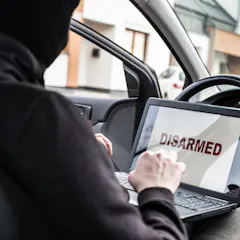
Cars are effectively becoming computers on wheels – and very attractive to cyber criminals.

Reports of North Korea’s capability of firing nuclear weapons are not the only serious threat to global security. North Korea has also become an aggressive cyber power.
Top contributors
-

Adjunct Professor, Australia-China Relations Institute, University of Technology Sydney
-
Professor of Management, University of North Carolina – Greensboro
-
Professor of Cyber Security Practice, Edith Cowan University
-
Professor of Business Law and Ethics, Indiana University
-
Head, The Cyber Academy, Edinburgh Napier University
-
Adjunct Senior Lecturer, Applied Ethics and CyberSecurity, Griffith University
-
Security Researcher, Associate Professor in Resilient Systems, Edith Cowan University
-
Teaching Professor of Computer Science and Electrical Engineering, and Associate Director, UMBC Cybersecurity Institute, University of Maryland, Baltimore County
-
Lawyer, Curtin University
-
Doctoral Researcher in Cyberwarfare, University of Birmingham
-
Deputy Director, Center for Cyber and Homeland Security, Auburn University
-
Director, McCrary Institute for Cyber and Critical Infrastructure Security, Auburn University
-
Professor of Criminology, University of Leeds
-
Emeritus Distinguished Professor of Defense Analysis, Naval Postgraduate School
-
Senior Lecturer, New Zealand Institute for Security and Crime Science, University of Waikato