

We don’t know how or when the next cyberattacks will occur. But we can prepare for unsafe water, damaged equipment, environmental harm and diminished public trust.
Articles on Cyberattacks
Displaying 1 - 20 of 213 articles

The attacks show that hackers are exploiting physical devices to spread new forms of disruption to daily life.

Supply chains have been designed for efficiency rather than resilience.

The hackers compromised a laptop belonging to an IT engineer, according to Binance.

It’s impossible to turn off the entire internet, but it’s still a good idea to be prepared for online services to be disrupted.
Some governments use legitimate AI concerns as a pretext to control political discussion, particularly chatbot responses about those in power.
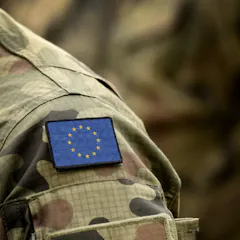
The EU may not yet have a common army but via its citizens, member states can foster a culture of resilience and solidarity if all levels of society can pull together.

if AI shut down the electricity grid, it would swiftly shut down agriculture. Without fuel, refrigeration, irrigation and fertilizers, we would all have to get creative in feeding ourselves.

Hybrid warfare, including cyberattacks, poses a big threat, not only to Russia’s neighbours, but to the whole of Europe.

As the government urges households to prepare for emergencies, the NHS faces a harder question: does it have the capacity to cope when the next crisis hits?

A new survey reveals Australians’ growing sense of insecurity in the wake of the Bondi terror attack and global threats.
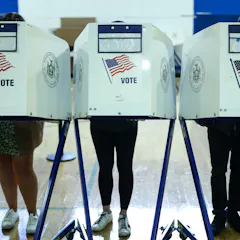
The federal task force that defends US elections has been largely absent this election cycle, and the threat-sharing hub it relied on has been defunded.

AI-powered cyber-security: the rise of new frontier platforms like Mythos highlights nuclear arsenals’ potential weak spots, and complicates the gambles inherent in nuclear deterrence.
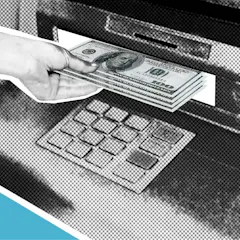
Anthropic’s latest model – Mythos – has spooked the world of finance. So it’s a good idea to keep your computer and banking apps updated.

As governments push for stronger data rights like the “right to be forgotten,” evidence suggests AI may not fully comply, raising new regulatory challenges.
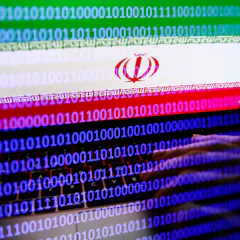
A cyberattack on a US corporation illustrates how state-aligned hackers operate, and how damage in war today isn’t always readily visible or geographically confined.

From cyber attacks to artificial intelligence, no business can ignore the role of technology. New research shows Australia’s boardrooms are missing key expertise.

Every smart device can also be a way for cyber attackers to get into your home. Some simple steps can help keep you safe.
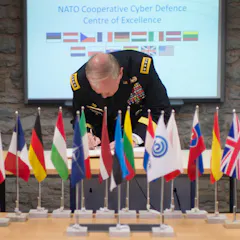
Will the UK’s new Cyber Action Plan staunch the flow of attacks? Other countries are leading the way in cyber-defence strategies.
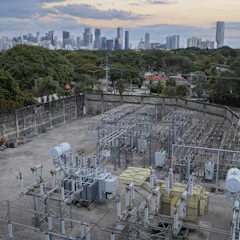
The US used a cyberattack to turn off power in Caracas during the raid to seize Maduro. The US grid is also vulnerable to this kind of attack.
Top contributors
-

Adjunct Professor, Australia-China Relations Institute, University of Technology Sydney
-
Professor of Management, University of North Carolina – Greensboro
-
Professor of Cyber Security Practice, Edith Cowan University
-
Professor of Business Law and Ethics, Indiana University
-
Head, The Cyber Academy, Edinburgh Napier University
-
Adjunct Senior Lecturer, Applied Ethics and CyberSecurity, Griffith University
-
Security Researcher, Associate Professor in Resilient Systems, Edith Cowan University
-
Teaching Professor of Computer Science and Electrical Engineering, and Associate Director, UMBC Cybersecurity Institute, University of Maryland, Baltimore County
-
Lawyer, Curtin University
-
Doctoral Researcher in Cyberwarfare, University of Birmingham
-
Deputy Director, Center for Cyber and Homeland Security, Auburn University
-
Director, McCrary Institute for Cyber and Critical Infrastructure Security, Auburn University
-
Professor of Criminology, University of Leeds
-
Emeritus Distinguished Professor of Defense Analysis, Naval Postgraduate School
-
Senior Lecturer, New Zealand Institute for Security and Crime Science, University of Waikato