

Fewer British farmers could stop planting potatoes as prices are constantly in flux. Difficult weather conditions are part of the problem.
Articles on Crops
Displaying 1 - 20 of 180 articles

Timing matters: planting fodder radish in the right months can help South African farmers grow more nutritious livestock feed even without irrigation.
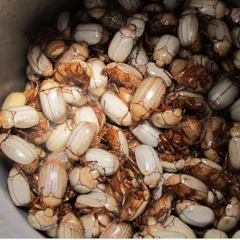
Eating insects is often seen as a last resort when people are starving, and yet, in the countries where they are widely consumed, they are often a rare delicacy, even a luxury.

Native bees pollinate many of Australia’s unique plants and help entire ecosystems thrive.
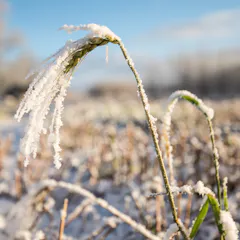
Papua New Guinea’s frost disaster suggests heat and drought aren’t the only symptoms of a changing climate.

Growers across the country are grappling with surging fuel prices and inconsistent rainfall.
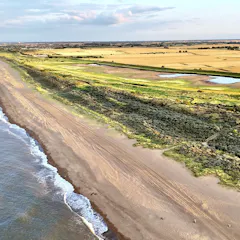
The places most exposed to saltwater flooding, especially the low-lying Fenlands, are also some of the most productive farmland in the UK.

Pistachio production will require even more water use by 2050 if temperatures and greenhouse gas levels continue to rise.
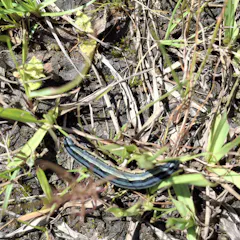
The African armyworm causes havoc for many crops and livestock.

A distinctive local variety of grapevine from Ethiopia’s Tigray region could offer potential as a dryland crop.

A soil expert unpacks what this unconventional farming method is and how it works.
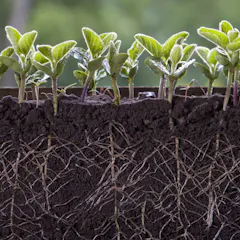
Too much fertilizer disrupts the hidden world of soil-dwelling microbes that were sustaining healthy crops long before synthetic fertilizer was invented.
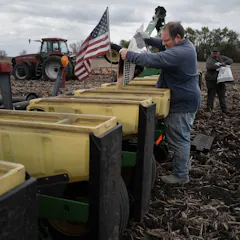
When huge companies assert their patents, smaller businesses and public plant breeders are dissuaded from conducting research that might not be illegal at all.
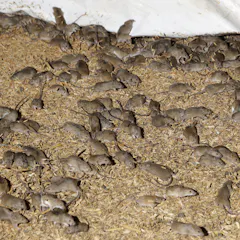
Mice numbers are likely to drop as winter sets in – an expert explains.

The term’s contradictory uses signal deeper worries about cultural fragmenting and algorithmic-induced flattening.
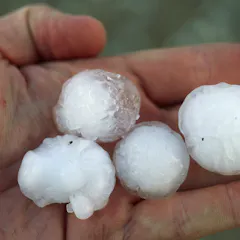
Costs from severe storms are increasing – and this global shift in hailstorm spells bad news for crops, too.
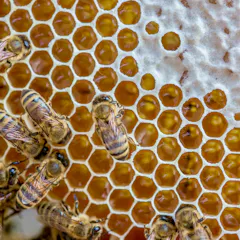
When honey bees get sick, their beekeepers turn to the nation’s premier bee research and disease diagnosis lab for help. That crucial resource is now disappearing.
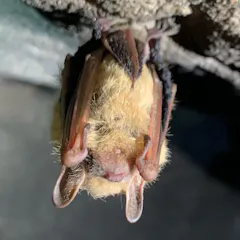
When bats disappear, farms become less productive, and that has broad implications far beyond the crops.
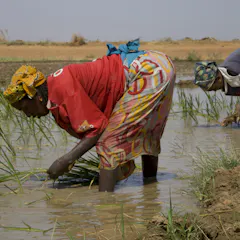
Science can only change the world when societies decide to give it the means to do so.
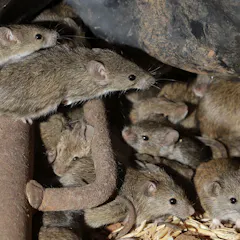
In parts of Western Australia and Southern Australia, mouse numbers are reaching plague proportions.
Top contributors
-

Associate Professor, Department of Entomology; African-American Studies, University of Illinois Urbana-Champaign
-
Associate Professor in Wildlife Conservation, Edith Cowan University
-
CEO, Crops for the Future Research Centre and Professor of Global Food Security, University of Nottingham
-
Associate professor, food chemistry, University of Pretoria
-
Professor of Climate Change, Food Systems and Health and Director of The Lancet Countdown in Africa, London School of Hygiene & Tropical Medicine
-
Professor in Plant Biology, La Trobe University
-
Senior Fellow, Department of Agricultural Economics, Stellenbosch University
-
Ph.D. Student in the School of Plant and Environmental Science, Virginia Tech
-
Research scientist at Plant Breeding Institute, University of Sydney, University of Sydney
-
Professor of Plant Sciences, University of Nottingham
-
Special Professor of Phytopathology, Wageningen University
-
Senior Principal Research Scientist, Farming Systems, CSIRO
-
Professor of Ecology, University of Cambridge
-
Professor of Agriculture and Food Sciences, The University of Queensland
-
Professor of Sociology and Associate Dean for Research & Graduate Affairs, College of Liberal Arts, Colorado State University