

Hundreds of organizations are working around the world to restore damaged coral reefs. New research shows that rapid ocean warming threatens these efforts.
Articles on Coral reefs
Displaying 121 - 140 of 266 articles
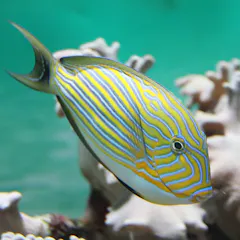
Pesticides and high temperatures can disrupt the development of small coral reef fish by targeting their hormones.
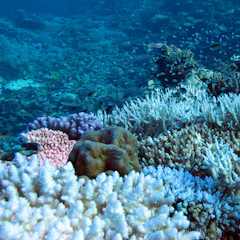
They’re more used to taking visitors to the reefs, but COVID-19 gave tour operators time to help check the condition of the corals. What they found doesn’t bode well.
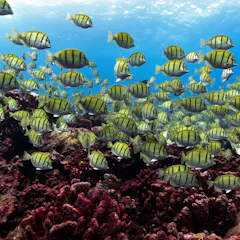
Reef fish vanish during marine heat waves, but may bounce back quickly on reefs that have few other environmental stressors.

While most corals turn ghostly white when they bleach, some turn neon purple. Scientists were baffled – until now.
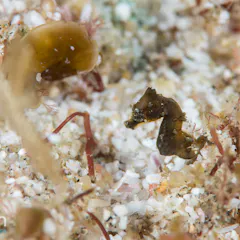
South Africa is home to four other seahorse species, but this was the first time a pygmy seahorse had been observed in South Africa, let alone Africa.
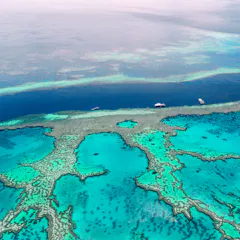
Restoring the reef represents one of the most significant science and technology challenges in the history of nature conservation.
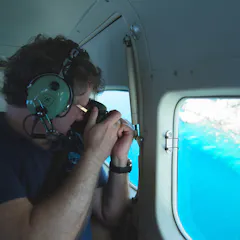
Coral bleaching last summer was severe and widespread. And for the first time, severe bleaching has struck all three regions of the Great Barrier Reef.
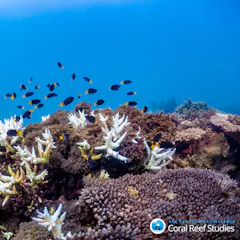
From a scientific perspective, the results are fascinating and world-first. From a personal perspective, what I saw will stay with me for a long time.
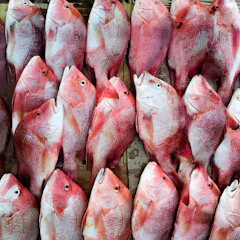
Without understanding which fish species and habitats local fishers rely on, export bans can do more harm than good.
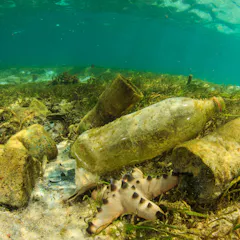
The hope is that the biodiversity targets translate directly into what individual countries, cities, companies and even families can adopt as tangible actions.
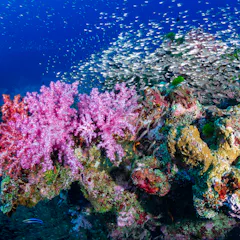
Fish larvae will swim towards the sounds of a desirable reef, but degraded reefs cannot be rebuilt on sound alone.
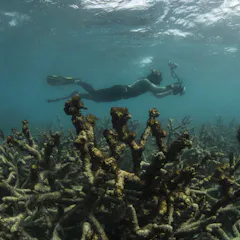
Australia says the reef’s world heritage values are fine and the threats are in hand. But the reality is far different.
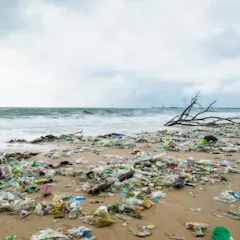
Indonesia is struggling to keep its waste from the oceans. The government has announced ambitious plan to curb plastic waste. However, lack of research to support the policy.
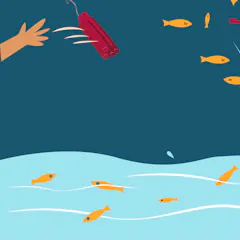
Our study found that some individuals who previously participated in destructive fishing practices can transform into inspiring leaders and influence others to protect coral reefs.
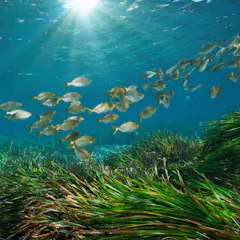
Oxygen produced by these plants helps animals boost their metabolism to match the heat.
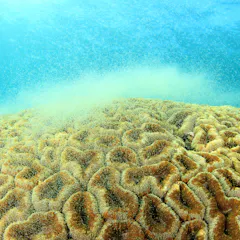
The largest reproductive event on the planet is under threat.
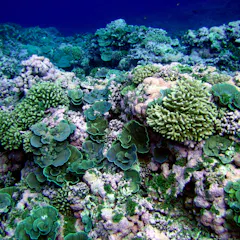
In a study that cultivated coral ‘gardens’ with varying numbers of species, plots with more species were healthier. This finding could inform strategies to help coral reefs survive climate change.
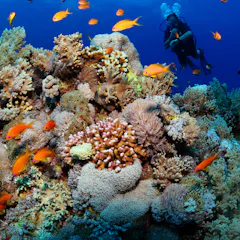
Researchers have just discovered a new species of bacteria that cranks out a deadly toxin. In a common arrangement in the marine environment, a slug and alga both use this toxin for their own defense.
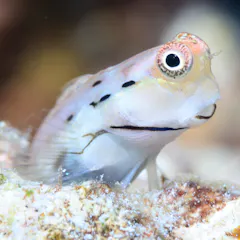
New research reveals that miniature, brightly coloured fish play an outsized role in the marine food chain in coral reefs.
Top contributors
-

Distinguished Professor, James Cook University
-
Professor, School of the Environment, The University of Queensland
-
Adjunct Principal Research Fellow, College of Science and Engineering, James Cook University
-
Adjunct Research Associate, Faculty of Fisheries and Marine Sciences, IPB University
-
UNESCO Chair on Climate Change Variability of Natural and Cultural Heritage and Professor in Physics, James Cook University
-
Professor of Marine Ecology, Universidad Nacional Autónoma de México (UNAM)
-
Assistant Professor, School of Energy, Geoscience, Infrastructure and Society // CEO MarFishEco Fisheries Consultant Ltd, Heriot-Watt University
-
Professor of Biological Oceanography & Head of the Coral Reef Laboratory, University of Southampton
-
Postdoctoral Research Associate in Coral Reef Ecology, Newcastle University, Newcastle University
-
Associate Professor, Coral Reef Laboratory, University of Southampton
-
Postdoctoral Research Associate in Climate Change Ecology and Evolution, Newcastle University
-
Reader in Coral Reef Ecology, Newcastle University
-
Professorial Fellow, ARC Centre of Excellence for Coral Reef Studies, James Cook University
-
DECRA Research Fellow in molecular ecology, James Cook University
-
Coral Reef Ecologist, National Oceanic and Atmospheric Administration