
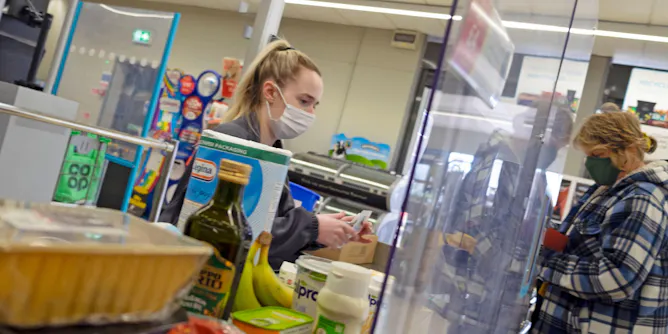
Professor Leigh Sparks looks at the latest UK retail sales and consumer sentiment data.
Articles on Consumers
Displaying 141 - 160 of 330 articles
What you need to know about blue light protection lotions.
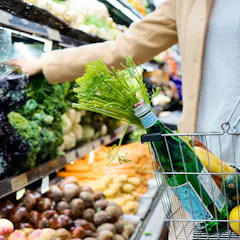
The rich history of UK consumer culture has been captured in the composition of the ‘basket of goods’ used to measure inflation.

The 2012-2015 power crisis was the most intense, protracted and severe in the history of Ghana.

New research found that consumers were less likely to buy a product associated with pleasure if marketers emphasized it was developed with science.
Many people want to know about practical suggestions to help slow climate change. Effective action starts at home.

New Zealand consumers are using boycotts of Russian products as a way to voice their disapproval of the war in Ukraine. But is this the best or only way for individuals to be heard?
One person out of three does not dare to turn to the supplier in case of problems. Feeling of shame, as well as doubts about the ability of the person they are dealing explain that figure.

The introduction of these technologies in Ghana has created an enabling platform for consumers to use their mobile phones to pay for goods and services

Mobile money service providers are on the path to find new ways of growing their customer base and keeping them.
The US central bank said surging inflation is guiding its decision about when to lift interest rates. Two experts on financial markets explain what might happen next.
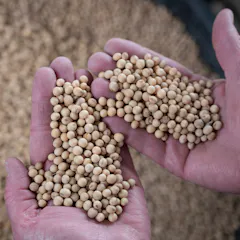
There’s a new label on many US food products – here’s what it means and who pushed to add it.
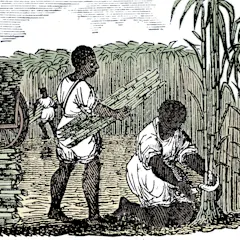
Before the Civil War, US activists sought to combat slavery through sugar boycotts. Instead, consumption grew.

Inflation is rising at the fastest pace since Ronald Reagan was president.
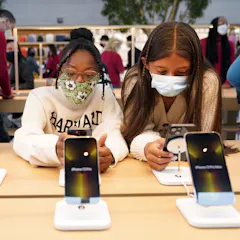
New research shows people experience the ‘endowment effect’ of valuing an object more when they can touch it, even in virtual settings.

If bad or irrelevant news has you considering avoidance, a suggestion: just as we’ve been taught that moderation is the key to so many habits, it’s the same for news.
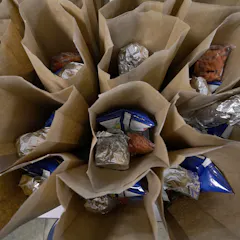
A recent survey finds that the pandemic made it harder for many US households to put food on the table. It also changed the ways in which people buy and store food.
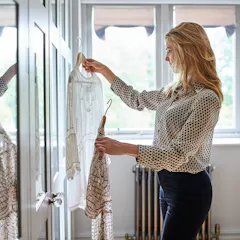
Have you ever bought an item and then just not gotten around to using it because the time never felt right? New studies suggest an explanation for what researchers call nonconsumption.
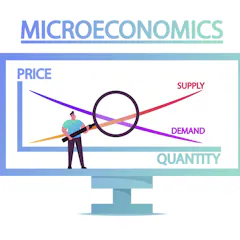
Microeconomics analyzes how individuals and businesses behave as they try to get the most they can for as little money as possible.

How responsible are we for the slavery that is directly connected to our consumer choices and what can we do to reduce it?
Top contributors
-

Associate Professor of Business, Boston University
-
Professor of Marketing and Consumer Behaviour, Queensland University of Technology
-
Professor of Law, St. John's University
-
Emeritus Professor of Marketing, University of Birmingham
-
Associate Professor of Quantitative Marketing and Computational Data Science, Binghamton University, State University of New York
-
Professor of Marketing, The Ohio State University
-
Susman Professor in Sustainability and Professor of Marketing, Penn State
-
Professor of Clinical Education, St. John's University
-
Associate Professor of Marketing, Tasmanian School of Business and Economics, University of Tasmania
-
Assistant Professor, Faculty of Business, University of New Brunswick
-
Professor of Energy and Environmental Economics and International Affairs, Penn State
-
Professor of Clinical Education, St. John's University
-
Director, Master of Business Administration Program (MBA); Co-Director, Better Consumption Lab, Deakin University
-
Professor of Law, Monash University
-
Lecturer in Marketing, Newcastle University