
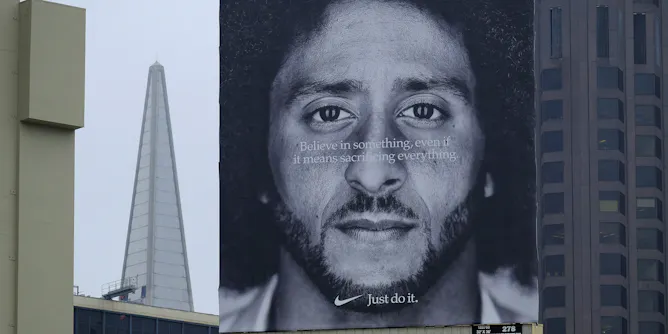
Brands are increasingly taking stances on contentious social issues and facing mass outrage on social media. New research shows that this outrage can benefit brands.
Articles on Consumers
Displaying 121 - 140 of 330 articles

The popularity of unconventional luxury brand collaborations with young adult Chinese consumers opens potential opportunities for local producers of high end goods.

Research shows that inflation is not the same for everyone, and neither are its effects.
Returns cost companies billions of dollars in lost sales. They also generate emissions and packaging waste. Two logistics experts offer some tips from psychology for more sustainable returns.

Companies tend to focus on appeasing angry customers after a data breach. New research shows they may want to pay more attention to customers who are afraid to return to their site.

Audiences love improvised, off-the-cuff entertainment, and new research suggests it’s because spontaneity seems to offer a glimpse of the performer’s authentic self.

New research on our desire to create shared memories with the people we care about offers insights for companies that want to improve their customer service.

Two experts on children’s play explain why you should be skeptical of toys that are advertised as being educational, and what to look for instead.
Retail stores change the prices of their products based on the shopping habits of consumers. But consumers come in a variety of types, and not all of them influence prices equally.
Scrolling TikTok or Instagram causes mental fatigue, which can lead people to purchase items based on how many ‘likes’ an ad has instead of how much value the product will bring them.
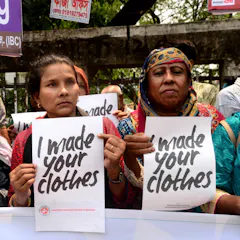
Ten years after the collapse at Rana Plaza in Bangladesh, the garment industry’s deadliest disaster, reforms are incomplete. The opaqueness of today’s complex supply chain is part of the problem.

The perspective that U.S. retailers are somehow more prone to failure than Canadian retail chains is unconvincing, but the Canadian retail landscape is challenging for newcomers.
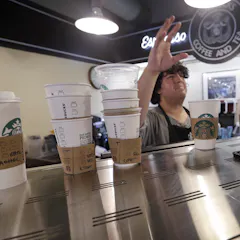
Many Starbucks customers are irked by recent changes to its popular rewards program. But they may not have as much to complain about as it seems.

Reducing food waste at home is an action that anyone can take to help slow climate change, often saving money in the process. More consumer education could help show people what to do.
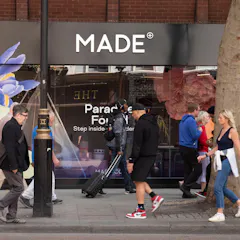
Supply chain difficulties and rising costs have forced Made.com into administration

Businesses can now pass credit card surcharge fees along to their customers. To help businesses predict how consumers will react to credit card surcharges, behavioural economics offers some answers.
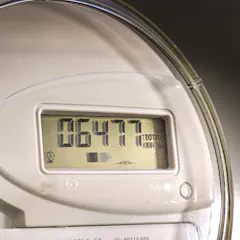
Most households pay a flat rate 24/7 for electricity although the cost of generating it fluctuates through the day. Wireless technologies are changing that system.

When we look at certain prices, we jump to conclusions about inflation rates that are not accurate.

How to spot the changes made to goods and services as a result of rising costs.

Emerging platforms are challenging traditional tech giants by giving consumers and workers more power
Top contributors
-

Associate Professor of Business, Boston University
-
Professor of Marketing and Consumer Behaviour, Queensland University of Technology
-
Professor of Law, St. John's University
-
Emeritus Professor of Marketing, University of Birmingham
-
Associate Professor of Quantitative Marketing and Computational Data Science, Binghamton University, State University of New York
-
Professor of Marketing, The Ohio State University
-
Susman Professor in Sustainability and Professor of Marketing, Penn State
-
Professor of Clinical Education, St. John's University
-
Associate Professor of Marketing, Tasmanian School of Business and Economics, University of Tasmania
-
Assistant Professor, Faculty of Business, University of New Brunswick
-
Professor of Energy and Environmental Economics and International Affairs, Penn State
-
Professor of Clinical Education, St. John's University
-
Director, Master of Business Administration Program (MBA); Co-Director, Better Consumption Lab, Deakin University
-
Professor of Law, Monash University
-
Lecturer in Marketing, Newcastle University