

The summer of 2015-2016 was the hottest on record for Australia’s oceans.
Articles on Climate science
Displaying 261 - 280 of 334 articles
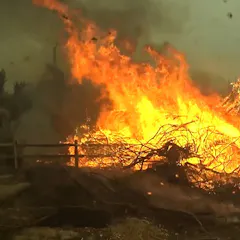
February 2016 was the hottest month by the biggest margin ever. Does that mean global warming has gone into hyperdrive?
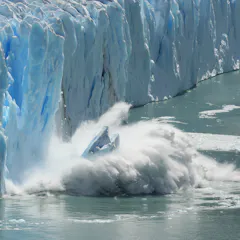
February was the third consecutive month to break global temperature records.
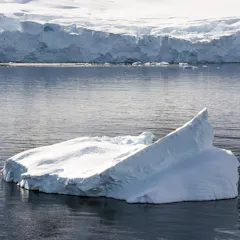
As the world warms, Antarctica’s melting ice will likely reach the point of no return.

After fighting the 1990 election on a stronger climate platform than Labor, the following two decades saw an ebb and flow of climate scepticism in the Liberal Party, which still continues today.
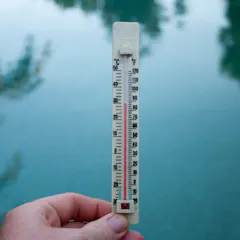
Record-breaking years have been almost impossible without human-caused climate change.

Ice cores tell us vital information about how the world’s climate has changed - and how it will change in the future.
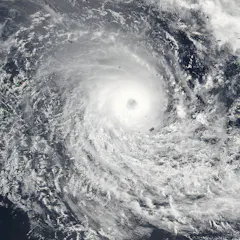
Cyclone Winston produced wind speeds of around 300 km per hour, making it one of the strongest storms to make landfall.

Cuts to CSIRO climate jobs will see a reduction in effort on monitoring and measuring climate change, and an increase in efforts to do something about it. That’s the most politically-sensible option.
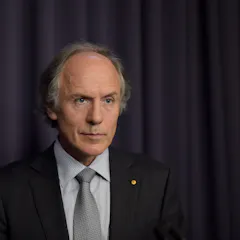
Chief scientist Alan Finkel comments on cuts to climate jobs at CSIRO.
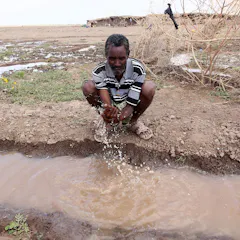
Climate scientists are finding a disconnect between communities and climate science: people simply don’t trust the information they’re receiving.
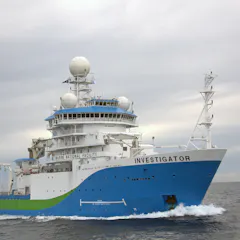
CSIRO’s climate science has contributed a number of important, and unexpected, findings.
CSIRO is set to cut dozens of jobs from its climate research units, as part of a wider series of job losses to be formally announced today.
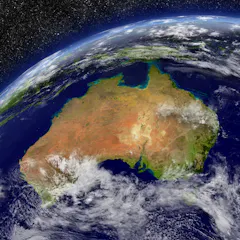
Former PM’s business advisor Maurice Newman recently claimed that satellite temperature data tell a different story to data collected on the ground. He’s right - but that’s how it’s meant to be.
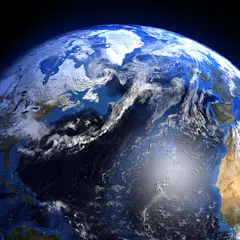
Changes in ocean temperatures are driving unusual weather patterns across Europe.

After almost five years, Ian Chubb today ends his role Australia’s Chief Scientist. He’s seen some challenging times with changing leadership and ministers but he believes Australia is in a better place.

Scientists need to be comfortable dealing with subjective views, rather than empirical data, and people’s feelings to make progress in addressing climate change.
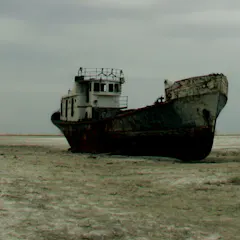
Things can change disturbingly quickly – just ask the people who once farmed the Sahara.
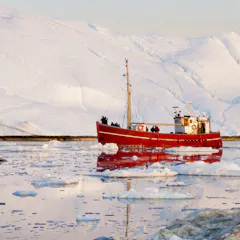
Since scientists are the real sceptics, they still argue a lot among themselves.
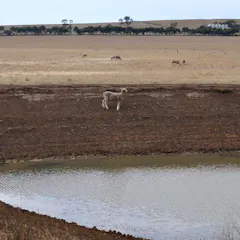
The Millennium Drought was bad, but the most detailed record of droughts since 1500 reveals there were far more severe super-droughts in the past.
Top contributors
-

Honorary Associate Professor of Climate Science, The University of Melbourne
-
Host + Producer, The Conversation
-
ARC Future Fellow and Associate Professor in Climate Science, ARC Centre of Excellence for 21st Century Weather, The University of Melbourne
-
Deputy Director, Engagement and Impact, The ARC Centre of Excellence for the Weather of the 21st Century, Australian National University
-
Senior Research Fellow, Melbourne School of Psychological Sciences, The University of Melbourne
-
Senior Research Associate in Meteorology, University of Bristol
-
ARC DECRA Fellow, UNSW
-
Director, ARC Centre of Excellence for the Weather of the 21st Century, Monash University
-
Professor of Earth System Science, UCL
-
Associate Professor, ARC Centre of Excellence for Weather of the 21st Century, Monash University
-
Professor Emeritus in Climate Science, The University of Melbourne
-
Professor of Atmospheric Sciences, Climate Change Research Centre, UNSW
-
Pro Vice-Chancellor of Research, University of Technology Sydney
-
Chair Professor, Climate Change Research Centre, UNSW
-
Professor of Physical Climate Change; Director of the Priestley Centre for Climate Futures, University of Leeds