

Food farmed in tropical and Mediterranean climates comes at a higher cost to biodiversity than that grown elsewhere.
Articles on Climate
Displaying 361 - 380 of 532 articles
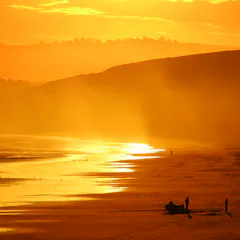
A new measure of average weather days in New Zealand puts the temperature on the rise, again.
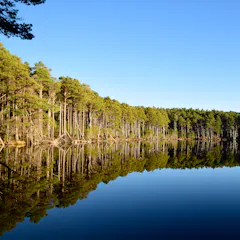
Trees may be more resilient to future dry spells than scientists first thought.

Climate change is a true existential threat for small island nations, but the US has done little to help the Marshall Islands, which it administered for decades.
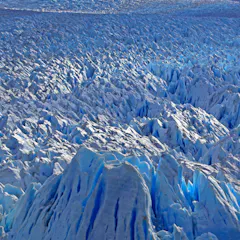
The parable of the dragons underlines the need to apprehend glacier disappearance in a transdisciplinary way, to create a dialogue between the physical, ecological and philosophical sciences.
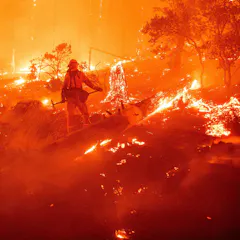
The 2020 wildfire season shattered records across the West. It’s part of a trend that’s headed in a dangerous direction.

It was a campaign like no other, and while there were missed opportunities and lapses of judgement, the fact New Zealanders are voting in a safe and fair election is reason enough to celebrate.
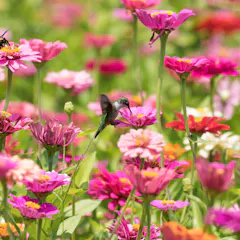
The threats of climate change to plants, animals and people in Africa mean that the continent is an excellent place for biometeorological research.
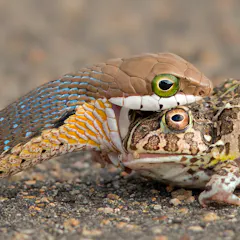
Social media has proved to be a helpful source of observations of snakes feeding. Knowing more about their diet is useful because it’s linked to their venom biochemistry.
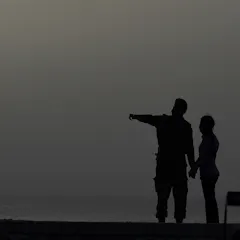
From June through October, it’s not unusual for huge Saharan dust plumes to blow across the Atlantic. They can darken skies but also bring calmer weather and electric sunsets. Here’s how they form.
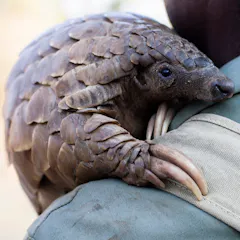
Yellow fever, malaria and Ebola all spilled over from animals to humans at the edges of tropical forests. The new coronavirus is the latest zoonosis.
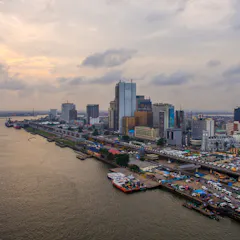
High temperatures, periods of increased relative humidity and more rainfall are likely to happen more in Nigeria’s coastal region under future global warming.
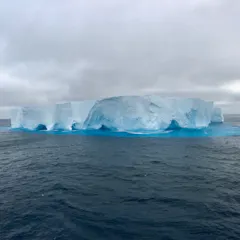
Climate models have been overestimating how much sunlight hits the Southern Ocean. This is because the clouds there are different from clouds anywhere else. Bacterial DNA helped us understand why.
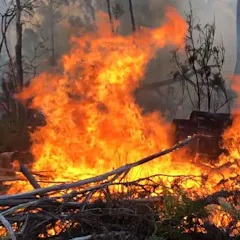
It was June last year when the first bushfires started in what became known as the Black Summer that claimed lives and destroyed homes.
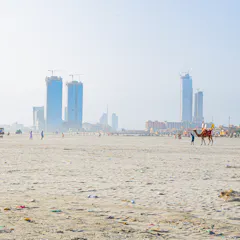
‘Wet-bulb’ temperature records show that deadly thresholds for heat and humidity are arriving faster than anticipated.
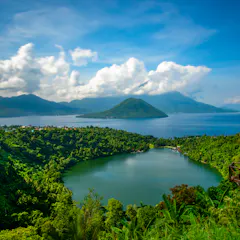
During the transitional period between the Pleistocene and Holocene epoch, the Earth’s temperature underwent massive change, forcing prehistoric humans in Indonesia to change their diet.
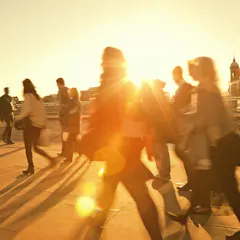
In a rapidly warming world, temperature increases are a challenge to mental well-being. A group of economists quantified the relationship.
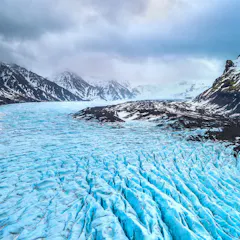
Our study explores the factors which cause glacial erosion.
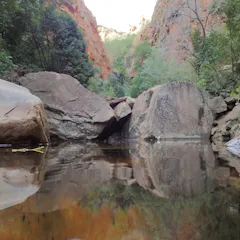
A drying climate and the arrival of people together finished off Australia’s megafauna.
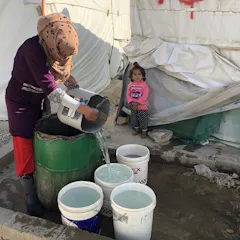
Both drought and violence drove many Syrians out of their homes; even if the war ends, the continuing difficulty of farming will make it hard for them to return.
Top contributors
-

ARC Future Fellow and Associate Professor in Climate Science, ARC Centre of Excellence for 21st Century Weather, The University of Melbourne
-
Climate scientist, Australian Bureau of Meteorology
-
Adjunct Professor (Practice) in Climate Science, School of Earth, Atmosphere and Environment, Monash University
-
Research Associate, Institute for Climate Risk and Response, UNSW
-
Climate Scientist, Australian Bureau of Meteorology
-
Deputy Director, Engagement and Impact, The ARC Centre of Excellence for the Weather of the 21st Century, Australian National University
-
Climate Scientist, Australian Bureau of Meteorology
-
Professor of Physical Geography, University of the Witwatersrand
-
Senior Climatologist, Australian Bureau of Meteorology
-
Chief Research Scientist, CSIRO Environment; Executive Director, Global Carbon Project, CSIRO
-
Professorial Fellow, University of Canberra
-
Senior Lecturer, Climate Science and Science Communication, The University of Melbourne
-
Climate Projections Scientist, CSIRO
-
Professor of Physical Geography (Climate Science), Te Herenga Waka — Victoria University of Wellington
-
Senior Fellow in Energy and Climate Change, Grattan Institute