
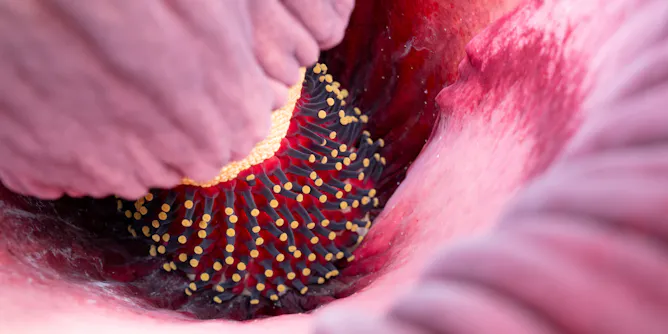
When a corpse flower bloomed on campus, atmospheric scientists got to work. What they discovered provides new evidence about the unique pollination strategies of a very unusual flower.
Articles on Chemicals
Displaying 21 - 40 of 128 articles
PFAS exposure can vary significantly from one community to the next. A close-up view of three Great Lakes states offers some insights for everyone.
We are exposed to countless chemicals every day, some of which can harm our health. Measuring the effects of this pollution is a major challenge.
Acid rain and metals from power plants, vehicles and industries reached remote mountain lakes for years. Evidence from those lakes today shows the success of the Clean Air Act.

As wildfire smoke becomes a frequent summer hazard across large parts of the US, knowing the risk at the neighborhood scale matters for human health.
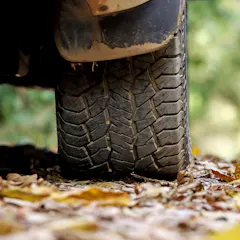
Rain storms wash those tire shards into streams and ultimately into lakes and oceans. That’s bad news for fish and other aquatic life.
Cancer rates are rising among younger people aged under 50. Here’s what we know about the causes – and what the evidence says about the role of plastics.
The White House proposal represents a dramatic retreat from the national goals of clean air and clean water enacted in federal laws over the past 55 years.

The Trump administration is pulling back billions of dollars in industrial development money for carbon capture and storage projects. That may force industries to actually cut emissions instead.
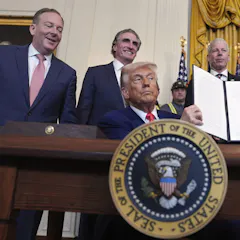
The first Trump administration also used words like ‘transparency,’ ‘reproducibility’ and ‘uncertainty’ − to try to block regulators from using important health studies when writing pollution rules.
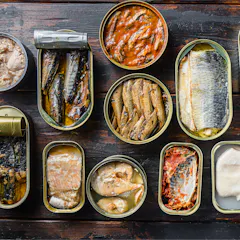
Canned food is safe, but cans are often lined with polymers that can release harmful chemicals, especially into fatty foods.

Thousands of chemicals in industry haven’t been thoroughly tested for their safety and toxicity. Researchers are working to standardize quicker, cheaper and more ethical methods to assess chemicals.
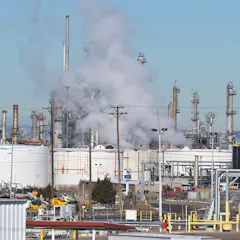
Limiting exposure to air pollution will have lasting impacts on Colorado communities with the highest exposure.
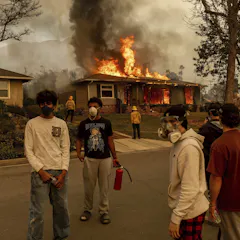
Human bodies aren’t prepared for the toxic chemicals in smoke, and the effects can be harmful in the short term and long term.
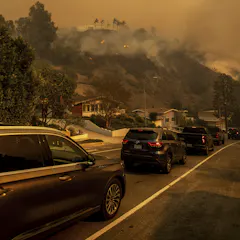
The chemicals emitted when buildings and vehicles burn can find their way into nearby homes. Studies show the health risks can stick around.
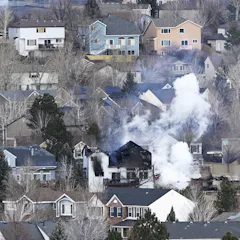
A series of surveys in the months and years after the devastating blaze near Boulder revealed continuing health concerns in surviving buildings, and tips for how to clean up smoke-damaged homes.
The chemistry of laundry detergents is fundamental to their performance. Knowing more about these ingredients will help inform your choices.
Europe’s regulation on chemicals is imperfect but essential for public health. A reform may streamline processes and increase penalties, but there is concern that lobbying could undermine it.
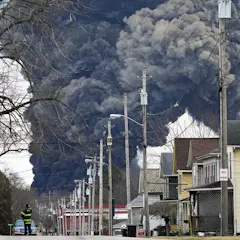
A lot went wrong in the scramble to respond after a train carrying highly volatile vinyl chloride and other chemicals derailed in 2023. The lessons can help ensure safer responses in the future.
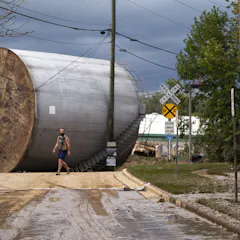
People living near these industries, as well as emergency responders, often have few details about the chemicals inside. New interactive maps pinpoint the risks.
Top contributors
-

Professor of Civil, Environmental and Ecological Engineering, Purdue University
-
Assistant Professor of Environmental Health, Middlebury College
-
Associate Professor of Geography, University of Colorado Boulder
-
Postdoctoral Researcher studying Plant-Atmosphere Interactions, Colorado State University
-
PhD Candidate in Emerging Technologies Governance, Institue for Sustainable Futures, University of Technology Sydney
-
Professor Emeritus of Chemical and Biological Engineering, Biomedical Engineering, and Public Health, Colorado State University
-
Professor of Biochemistry, Michigan State University
-
Senior Lecturer in Chemistry, University of Birmingham
-
Senior Research Consultant, Institute for Sustainable Futures, University of Technology Sydney
-
Associate Professor of Chemical Engineering, The University of Melbourne
-
Professor of Science Communication and Chemistry, University of Hull
-
Professor of Sociology, Rice University
-
Associate Professor in Chemistry and Associate Head Learning and Teaching, University of Tasmania
-
Lillian Gilbreth Postdoctoral Fellow, Purdue University
-
Professor of Environmental and Soil Chemistry, Michigan State University