
Why are some people hit harder by certain diseases than others? Why do some patients respond better to a treatment, while others see no effect? Biomarkers can help answer these questions.
Articles on Biomarkers
Displaying 1 - 20 of 55 articles

A simple blood test to detect cancer before symptoms even appear: that’s the promise of liquid biopsy, a rapidly developing technology.

What matters most when it comes to healthy ageing is overall diet quality maintained consistently over time.

Despite advances in neuroscience, the underlying biology of mental illness has remained elusive. The DSM-6 will attempt to integrate neurobiology into how clinicians diagnose and treat psychiatric conditions.

Could new tests shorten the long road to an endometriosis diagnosis? The promise is compelling, but the evidence is not there yet.
Epigenetic aging clocks allow scientists to study how populations age. They aren’t intended for individuals to make health decisions.
Researchers have developed the EXOSense technology to capture tiny particles, called extracellular vesicles, from biofluids using a gentle electrical force.

Genetics may only partially determine a newborn’s risk of developing Type 1 diabetes. Screening umbilical cord blood could lead to earlier treatments to prevent or reduce disease.

People typically die from progressive supranuclear palsy within 7 to 10 years. There is currently no specialized treatment or effective screening for this neurodegenerative disease.

There is strong evidence connecting cannabis use during pregnancy to harmful effects on a child’s brain development, including a higher risk of schizophrenia.
Some children recover better after traumatic brain injury than others, despite appearing similarly to doctors. Looking at the genetic and cellular level, however, reveal key differences.

Simple physics replaces expensive centrifuges, making fast testing possible anywhere.
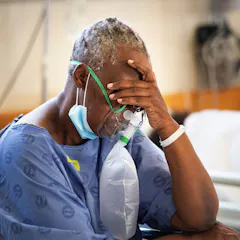
Long COVID isn’t purely a biological problem; it’s a human one, shaped by both physiology and lived experience.

Tobacco companies say that heated tobacco products have fewer health risks than cigarettes, but there is little clear data to support that claim.
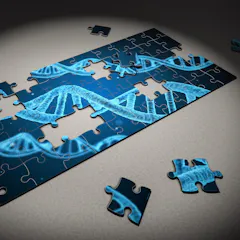
By understanding a patient’s unique genetic profile, biomarker readings and lifestyle information, doctors could tailor the most effective and safest treatments for that individual.
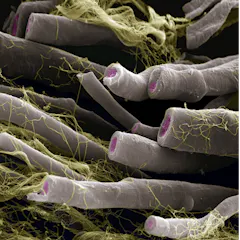
Levels of 2 types of bacteria in your gut could help improve the diagnosis and treatment of multiple sclerosis.

Your physical environment, social life and lifestyle have as much an influence on your biology − and hence, how you process drugs − as your genes.

Imbalances in different species of bacteria in a baby’s gut may provide insights into their neurodevelopment.
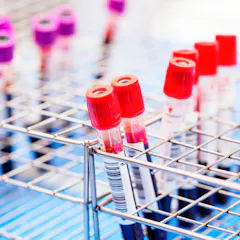
Identifying proteins that are only present in bodily fluids when a patient has breast cancer could provide a way to screen healthy people for the disease.

While NASA rovers on the surface of Mars look for hints of life, researchers back on Earth are studying ‘echoes of life’ from ancient basins – hoping that the two sites might be similar.
Top contributors
-

Assistant Research Scientist in Data Science and Microbiology, University of Florida
-
Professor Emeritus of Biomedical and Clinical Sciences, Linköping University
-
Professor and Chair of Microbiology and Cell Science, University of Florida
-
Senior Lecturer and Associate Professor in Biology, Evolutionary Ecology unit, Lund University
-
Reader in Biomedical Sciences, University of Hull
-
Professor of Biostatistics and Director of the Birmingham Clinical Trials Unit, University of Birmingham
-
Lecturer, Aston University
-
Ph.D. Student, Michigan State University
-
Associate Professor of Marine Biology and Director of Centre for Marine Biodiversity and Biotechnology, Heriot-Watt University
-
Lecturer in Biomedical Science, Lancaster University
-
Ph.D. Student, Michigan State University
-
Researcher, Birla Institute of Technology and Science
-
Post Doctoral Research Fellow in Melanoma, Edith Cowan University
-
Assistant Professor of Nursing and Human Genetics, University of Pittsburgh
-
Chief Executive Officer, Cooperative Research Centre for Mental Health