
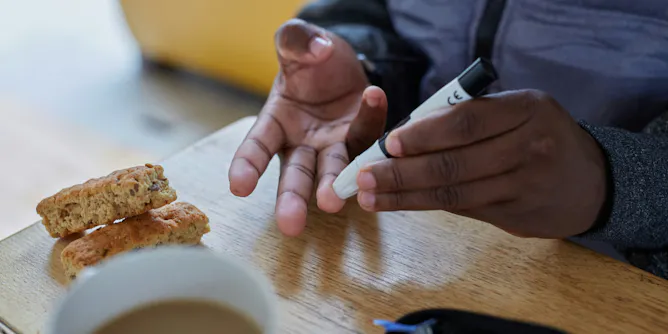
One of the biggest dangers of diabetes is that people can live with high glucose levels for many years without any symptoms.
Articles on Diagnostics
Displaying 1 - 20 of 60 articles
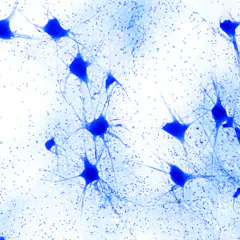
Why are some people hit harder by certain diseases than others? Why do some patients respond better to a treatment, while others see no effect? Biomarkers can help answer these questions.
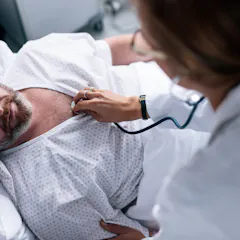
Labeling medical test results as ‘normal’ or ‘abnormal’ helps clinicians make quick judgments when diagnosing patients. But this binary approach to interpreting tests can lead to fatal errors.

Drawing lessons from Sierra Leone and having watched the mid-2026 outbreak in the DRC, I conclude that it risks becoming a global epidemic.
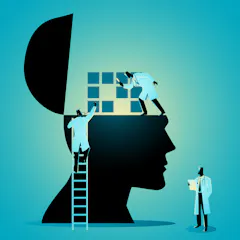
Despite advances in neuroscience, the underlying biology of mental illness has remained elusive. The DSM-6 will attempt to integrate neurobiology into how clinicians diagnose and treat psychiatric conditions.
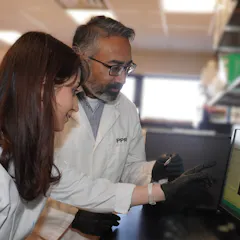
Researchers have developed the EXOSense technology to capture tiny particles, called extracellular vesicles, from biofluids using a gentle electrical force.

Simple physics replaces expensive centrifuges, making fast testing possible anywhere.
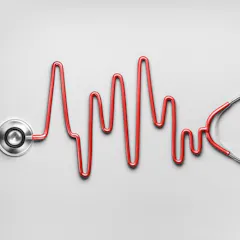
With the help of AI, doctors might be able to detect heart disease before it becomes audible to the human ear.
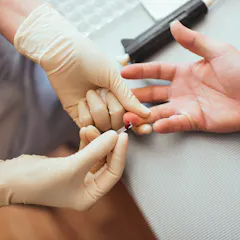
Biotech startup Haemanthus says it can detect illnesses with tiny amounts of blood, urine and saliva. Here’s why that’s more difficult than it sounds.

Saliva testing makes diagnostics cheaper faster and easier.

Silicosis is preventable but difficult to detect early. A promising new breath test could change this.
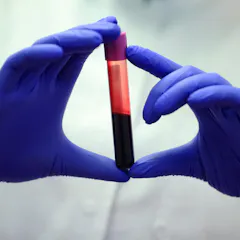
A narrower, more personalized ‘normal range’ could help doctors better diagnose and treat disease in individual patients.
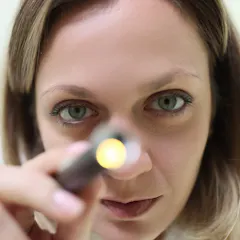
Your GP shines a light in your eyes, orders a blood test and requests some medical imaging. All rely on light to help diagnose disease.

A fever and a nasty cough can be symptoms of a range of respiratory illnesses. An antigen test that narrows down the culprits can speed up diagnosis and recovery.

Two out of five cases of TB remain undiagnosed. A test using a skin patch could help change that.
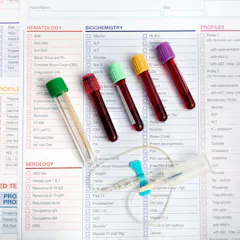
Your blood contains a wealth of information about the state of your health. Analyzing the levels of each component is an important part of diagnosis.
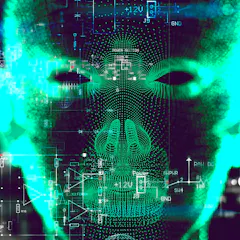
Key to diagnosing foetal alcohol syndrome is an assessment of certain facial features. A 3D facial scan is expensive but 2D images may offer a solution.
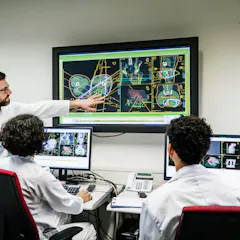
Biased algorithms in health care can lead to inaccurate diagnoses and delayed treatment. Deciding which variables to include to achieve fair health outcomes depends on how you approach fairness.

Many infections, including bacterial, fungal and viral infections can lead to sepsis and septic shock.
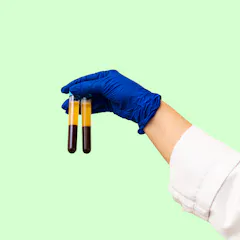
Lab testing provides doctors with essential information to help them diagnose and treat disease. Here’s what happens behind the scenes after you roll up your sleeve for a blood draw.
Top contributors
-

Associate Professor, Cape Peninsula University of Technology
-
Canada Research Chair of Epidemiology & Global Health, McGill University
-
Associate Professor, Dept of Medicine, Monash University, Monash University
-
Assistant Professor of Pediatrics, McGill University
-
Researcher, Birla Institute of Technology and Science
-
Professor of Orthopaedic Research, Queensland University of Technology
-
Professor Emeritus of Chemical and Biological Engineering, Biomedical Engineering, and Public Health, Colorado State University
-
Lecturer, Mbarara University of Science and Technology
-
Senior Lecturer in Psychology, The University of Melbourne
-
Lecturer in Chemical Engineering, Loughborough University
-
Associate Professor of Dermatology, University of California, San Francisco
-
Associate Professor of Medical Laboratory Science, Rush University
-
Epidemiologist, National Institute for Communicable Diseases
-
Senior Research Fellow and Deputy Director, Centre for Biomedical Technologies, Queensland University of Technology
-
Emeritus Associate Professor in Public Law, UCT. Visiting Adjunct Professor, WITS School of Governance; Director, Africa Programme, University of Cambridge Institute for Sustainability Leadership, University of Cambridge