
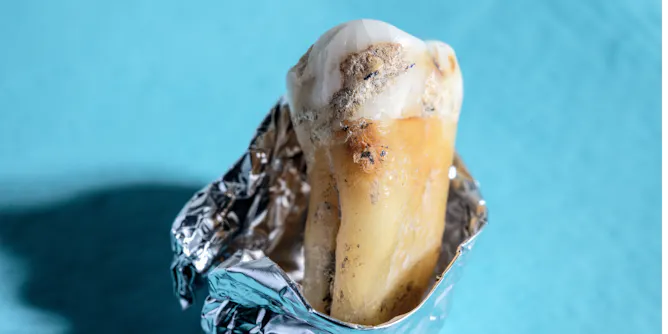
Ancient microbes likely produced natural products their descendants today do not. Tapping into this lost chemical diversity could offer a potential source of new drugs.
Articles on Bacteria
Displaying 141 - 160 of 461 articles
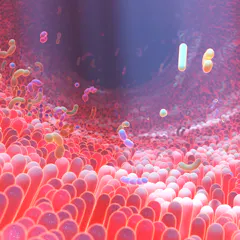
A new study shows that the gut microbiota has little or no effect on our weight, metabolism and risk of developing chronic diseases.

Your mobile phone is 10 times dirtier than a toilet seat. Here’s what to do about it.
Ants are skilled surgeons, bacteria have their own internet, and scientists think sperm whales have names.

This whirlwind tour of social history describes how infectious diseases have shaped humanity at every stage. It suggests reducing inequality will give us our best chance of surviving future plagues.
Tetanus is a rare but potentially fatal disease. Being up to date with tetanus vaccination is your best protection.
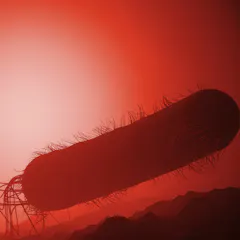
Antibiotic resistance has contributed to millions of deaths worldwide. Research suggests that any bacteria can develop antibiotic tolerance, and possibly resistance, when pushed to their limits.

The filthy secrets of hotel rooms and why you might want to pack disinfectant on your next trip.
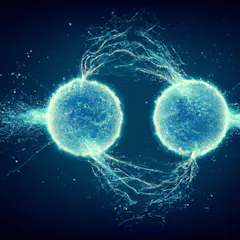
The Huc enzyme can split hydrogen molecules to make electricity, raising the possibility of small devices that run on air.

The gut microbiome plays a big role in mediating how the immune system responds to perceived threats, which include the body’s own nerves.
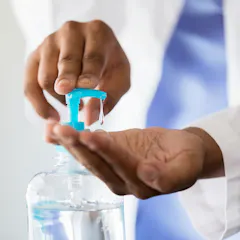
Using a mathematical model, researchers found that good hygiene can reduce the harmful effects of antibiotic use.

Fossil evidence of how the earliest life on Earth came to be is hard to come by. But scientists have come up with a few theories based on the microbes, viruses and prions existing today.

Bacterial infections are a growing global challenge. This is due to antibiotic-resistant bacteria, and researchers are turning to AI to develop new drugs.

Relaxing in filth – you may never want to use a hot tub again after reading this.

In the deep, dark ocean, sunlight-deprived bacteria turn to different sources of energy: dissolved hydrogen and carbon monoxide.
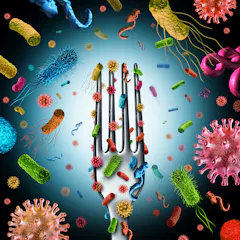
Cancer cells are ‘cheaters’ that do not cooperate with the rest of the body. Certain microbes in your diet can either protect against or promote tumor formation by influencing cell cooperation.

Early treatment with antibiotics can be life-saving.
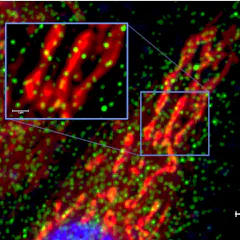
COVID-19 causes lung injury and lowers oxygen levels in patients because the SARS-CoV-2 virus attacks cells’ mitochondria. This attack is a throwback to a primitive war between viruses and bacteria.
A new ‘rule book’ for naming genomically sequenced bacteria is a boon for science.

A new species of bacteria that doesn’t normally live in the gut may trigger an immune response so strong that it spreads to the joints.
Top contributors
-

Senior Lecturer in Clinical Microbiology, University of Leicester
-
Professor of Biological Sciences, University of Maryland, Baltimore County
-
Senior Lecturer, Medical Microbiology, University of Westminster
-
Senior Lecturer in Pharmaceutical Sciences, RMIT University
-
Senior Research Fellow, School of Medicine, The University of Western Australia
-
Professor, Microbiology, Monash University
-
Professor, The University of Queensland
-
Senior Lecturer in Biology, Brunel University of London
-
Research Associate in Microbiology, University of Guelph
-
Associate Professor and Clinical Academic Gastroenterologist, Western Sydney University
-
Professor of Food Science, Clemson University
-
Professor of Infectious Diseases and Microbiology, Australian National University
-
Lecturer in Microbiology, Cardiff Metropolitan University
-
Professor of Microbiology, Swinburne University of Technology
-
Prof. Institute for Molecular Bioscience, The University of Queensland