

Millions of children are wrongly labelled as allergic to penicillin, putting them at risk of less effective treatment for infections and more side-effects.
Articles on Antibiotics
Displaying 1 - 20 of 305 articles
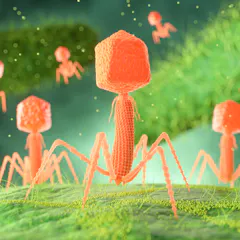
Bacteriophages could help fight antibiotic-resistant infections. New research reveals how their genes work – and may help scientists engineer more effective viruses.

Long-acting treatments could reduce missed doses and ease the burden of taking medicines every day, while giving patients more choice.

For some illnesses, shorter courses of antibiotics work just as well as longer ones, but researchers are still working out the ideal timescales for many infections – and it may not line up with when you feel better.

Microbial ecology helps explain how ecosystems respond to environmental pressures.
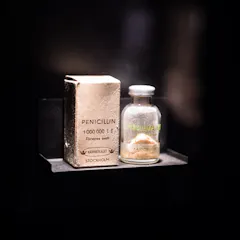
An expert answers questions on superbugs, from overuse in farming to whether resistance is really an unwinnable arms race.
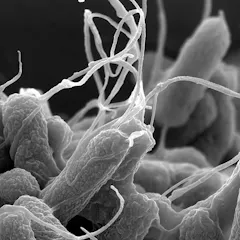
Scientists are using AI and physics-based simulations together to design new peptides that will kill previously drug-resistant bacteria.

The source was a newly discovered bacterium called Legionella pneumophila that can thrive in household pipes, whirlpools, cooling units and outdoor fountains.

When people harness the logic of natural selection, they can often find efficient and effective ways to solve complex problems.

As antibiotic resistance grows, scientists are turning to bacteriophages, viruses that target harmful bacteria without wiping out beneficial microbes.
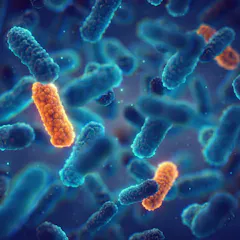
The drugs that transformed medicine are losing their power, raising fears of a post-antibiotic era in which common infections kill.
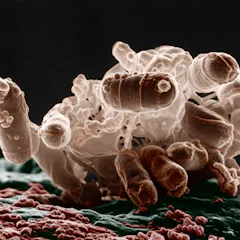
Bacteria don’t quietly die when exposed to antibiotics – they actively respond in ways that in turn change how your body responds to infection.
Antibiotic prescribing around the time of surgery and in aged care isn’t always appropriate, a new report shows. Here’s what else we learned.
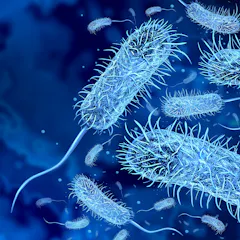
Five-thousand-year-old microbes reveal nature’s antibiotic arms race, and hold clues to both the threat of drug resistance and the cure.
Many countries’ guidelines are unclear, lacking – or even nonexistent.
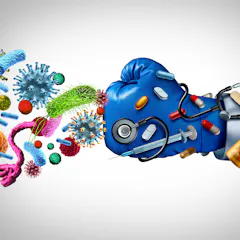
Antibiotics transformed health care for the better, but their diminishing effectiveness may soon be its undoing. Researchers are studying ways to fight back against resistance.

The disinfectants we trust to protect us from microbes may also inadvertently help those microbes evolve to become more resistant to them.
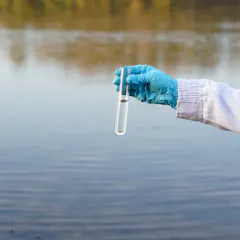
Every flush sends traces of our medicines into rivers. When antibiotics mix with common drugs like painkillers or hormones, bacteria can evolve to resist treatment.
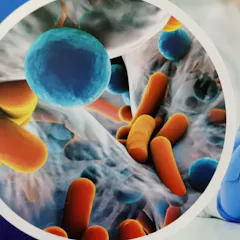
Most antibiotic resistance research comes from high-income countries but the greatest threats are elsewhere. This inequality is shaping the future of global health.
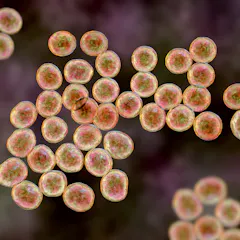
This is a significant scientific development, but several hurdles remain before we might see these antibiotics available for use.
Top contributors
-

Senior Research Fellow, School of Medicine, The University of Western Australia
-
Professor of Infectious Diseases and Microbiology, Australian National University
-
Professor, The University of Queensland
-
Prof. Institute for Molecular Bioscience, The University of Queensland
-
Professor of Infectious Diseases, Monash University
-
Dean of the College of Science, Professor of Biochemistry, Rochester Institute of Technology
-
Senior Lecturer in Microbiology, Aston University
-
Professor of Biochemistry and Biomedical Sciences, McMaster University
-
Professor of Public Health, Bond University
-
Professor of Public Health, Newcastle University
-
Professor of Molecular Evolution, Macquarie University
-
Professor of Infectious Diseases, University of Cape Town
-
Professor at ANU Medical School; Senior Staff Specialist Infectious Diseases; General Physician, Australian National University
-
Director Of Medicine, The Maitland and Kurri Kurri Hospital, University of Newcastle
-
Assistant Professor, Johns Hopkins University