
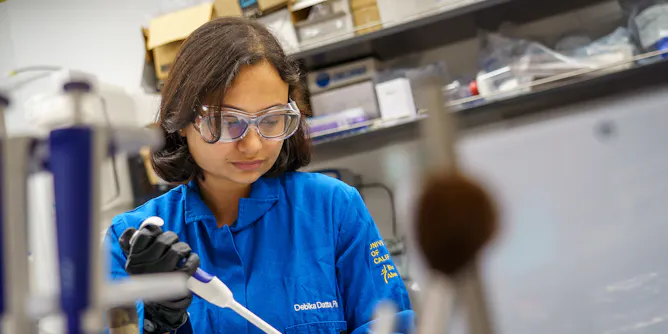
‘Living materials’ made with genetically engineered bacteria and Jell-O-like gel could make pollutants in water bodies nontoxic.
Articles on Bacteria
Displaying 121 - 140 of 461 articles
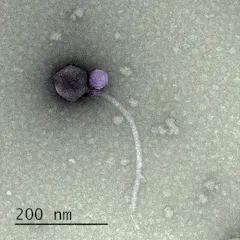
Researchers discovered a satellite virus latching onto the neck of another virus called MindFlayer. Studying the viral arms race between similar viruses could lead to new ways to fight infections.
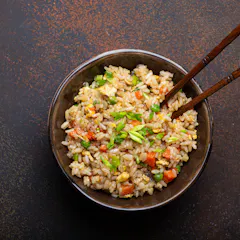
‘Fried rice syndrome’ refers to food poisoning from a bacterium called Bacillus Cereus, which becomes a risk when cooked food is left at room temperature for too long.
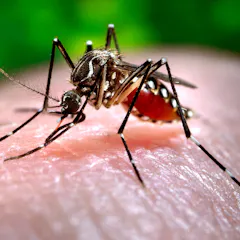
The Sahel region is grappling with an outbreak of the deadly mosquito-borne disease.
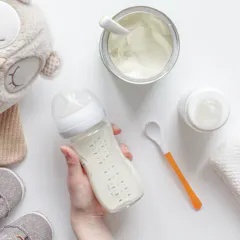
New research finds that 85% of formula preparation machines tested were dispensing water that did not appear to reach NHS recommended temperatures for preparing bottles of formula.

With the help of the microbes that once played an essential role in keeping you alive, the building blocks of your body go on to become a part of other living things.
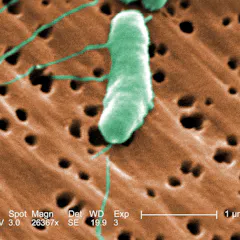
Warmer ocean waters are fueling the spread of the bacteria Vibrio vulnificus. Infections can lead to a rare but fatal condition called necrotizing fasciitis.
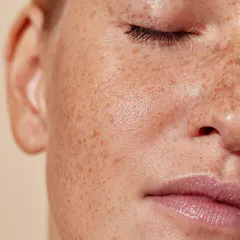
Bacteria and lipids get a bad rap for causing breakouts and oily skin. But both play an essential role in helping your skin barrier stay strong against pathogens and insults from the environment.
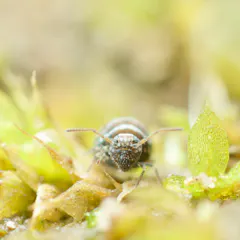
With more than one species for every person on the planet, soils are the most diverse habitat on Earth.

Researchers simulated thousands of scenarios of an ancient pathogen being released into modern ecosystems. In the worst cases, up to one-third of host species were destroyed.
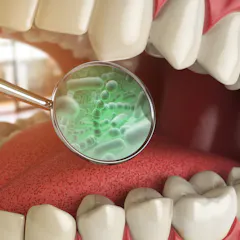
The oral microbiome has also been linked to other diseases, such as breast cancer and Alzheimer’s.
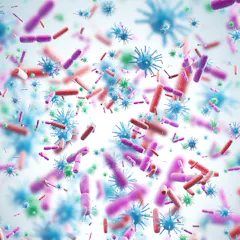
Most people have heard of the gut microbiome, but the lungs, skin, mouth and genitals all have their own unique microbiome.
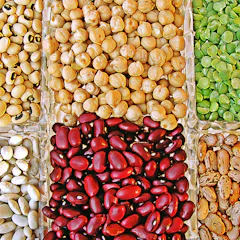
Fermented foods are a key component of west African cuisine. Making them safer for consumption should be a priority.

Despite an abundance of research on strep, there is still a great deal of debate in the scientific community over whether and when people should get tested and treated for it.
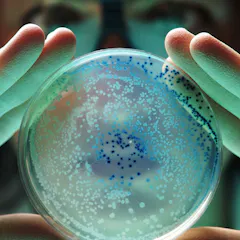
Researchers uncovered the foundations of biology by using E. coli as a model organism. But over-reliance on this microbe can lead to knowledge blind spots with implications for antibiotic resistance.
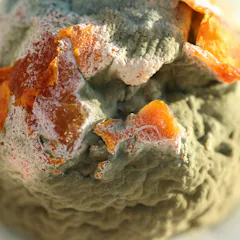
Usually, mould spores are invisible – but give them a niche to exploit and you’ll get all kinds of colours on the things in your home.

You can squash small bugs by stepping on them, but can you crush even tinier microorganisms like viruses and bacteria? It turns out that you’d need to apply a lot of pressure.

A microbiologist on the deadly germs lurking in your kitchen and why you need to wash tea towels and dishcloths more often.

And other ways to enjoy open water safely this summer.
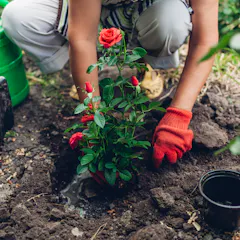
Gardening is often seen as a relaxing, harmless pasttime – but that isn’t always the case.
Top contributors
-

Senior Lecturer in Clinical Microbiology, University of Leicester
-
Professor of Biological Sciences, University of Maryland, Baltimore County
-
Senior Lecturer, Medical Microbiology, University of Westminster
-
Senior Lecturer in Pharmaceutical Sciences, RMIT University
-
Senior Research Fellow, School of Medicine, The University of Western Australia
-
Professor, Microbiology, Monash University
-
Professor, The University of Queensland
-
Senior Lecturer in Biology, Brunel University of London
-
Research Associate in Microbiology, University of Guelph
-
Associate Professor and Clinical Academic Gastroenterologist, Western Sydney University
-
Professor of Food Science, Clemson University
-
Professor of Infectious Diseases and Microbiology, Australian National University
-
Lecturer in Microbiology, Cardiff Metropolitan University
-
Professor of Microbiology, Swinburne University of Technology
-
Prof. Institute for Molecular Bioscience, The University of Queensland