
Toni Jordan’s novel Tenderfoot, a bracing, beautiful meditation on childhood, shares crossovers with her own life.
Articles on Australian fiction
Displaying 21 - 40 of 75 articles
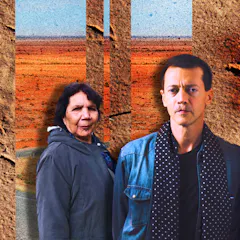
Nicolas Rothwell and Alison Nampitjinpa Anderson’s new book suggests only Aboriginal people, and the misfits who cleave to them, can know the desert’s grim majesty.
A vivid Torres Strait Islander story emphasising the tragedy of colonial rule and a slow-burning postwar tale of a white woman in Japan are engaging historical novels.

Katherine Brabon’s novel explores the roles of faith, science and storytelling in explaining and treating illness – and offering agency to the ill.
In The Sun Was Electric Light, Ruth arrives at Lake Atitlán a loner-searcher. But the people she meets are crucial to her struggles with the question of how to live.
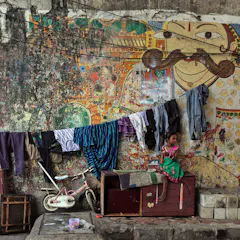
Raeden Richardson’s surreal, gritty novel both dazzles and overwhelms, while showing empathy for the marginalised and their stories.

Dominic Amerena’s debut novel explores the selfish side of literary life: the desire to have a real story, no matter who it belongs to – or what it may cost.
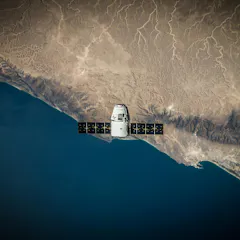
Salvage is a heartbreaking, life-affirming Australian dystopia that centres human connection – as the rich search for ways to escape and the poor salvage what they can.
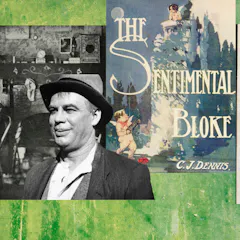
After more than 100 years, the mystery of the man who inspired this famous comic verse novel has been solved.
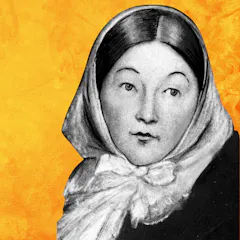
Laura Elvery’s novel, Nightingale, invites us to see the legendary nurse not as a symbol, but as a person shaped by illness, desire, pain and time.
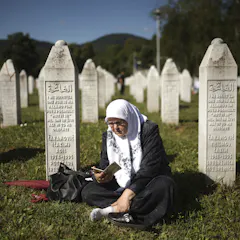
Drawing on her personal experience at the Hague, Gretchen Shirm’s novel Out of the Woods confronts the issues of murder and displacement, cruelty and loss.

Supernatural thriller or character-driven thought experiment? Chris Flynn’s Orpheus Nine imagines the personal toll of a tipping point for our destabilised world.
Mandy Beaumont’s new novel, The Thrill of It, takes us inside a killer’s mind.
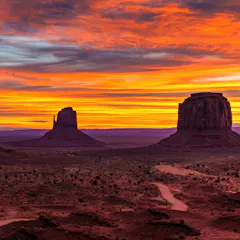
Elegy, Southwest, by Miles Franklin shortlisted author Madeleine Watts, weaves together the themes of imminent personal and environmental collapse.
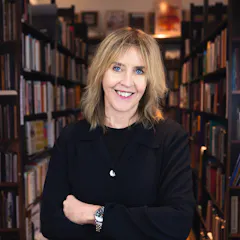
Caro Llewellyn’s first novel draws on her experience in the literary industry. She was CEO of the Wheeler Centre and ran literary festivals in Sydney and New York.
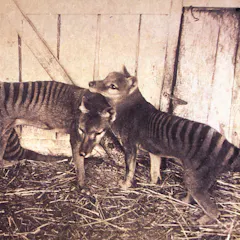
It’s 25 years since The Hunter was published, to international acclaim and some local irritation. The story of a man hunting a thylacine to harvest its genetic material, it is daring and unsettling.

Kylie Mirmohamadi’s immersive post-marriage novel follows a woman’s midlife reawakening in the wake of her dominating artist husband’s death.
The Tasmanian landscape, magnificent and mythical in Arnott’s prose, is haunted by the legacies of colonisation.
Liz Evans’ novel of fractured souls and tentative female trust is a natural evolution of the genre of #Metoo fiction.

Jordan Prosser’s Big Time revels in the human drive to make art and forge connection, even in the most oppressive situations – and it whisks us along for the ride.
Top contributors
-

Assistant Researcher, School of Languages and Culture, The University of Queensland
-
Adjunct Researcher, English and Writing, University of Tasmania
-
Associate Professor, Creative Writing, University of Wollongong
-
Researcher, School of Art, Communication and English, University of Sydney
-
Senior Lecturer, Writing, Department of Media and Communication, Swinburne University of Technology
-
Distinguished Professor Emerita of Creative Practice, Faculty of Arts and Design, University of Canberra
-
PhD Creative Writing, School of Humanities, Adelaide University
-
Emeritus Professor of Creative Writing, The University of Melbourne
-
Lecturer in Writing, The University of Queensland
-
Director of AustLit, Associate Professor in Digital Cultural Heritage, The University of Queensland
-
Emeritus Professor, Institute for Culture and Society, Western Sydney University
-
Lecturer, Creative Writing, Adelaide University
-
PhD Candidate, Creative Writing, The University of Melbourne
-
Lecturer, Creative Writing, University of Technology Sydney
-
Professor of History, School of Humanities, Creative Industries and Social Sciences, University of Newcastle