
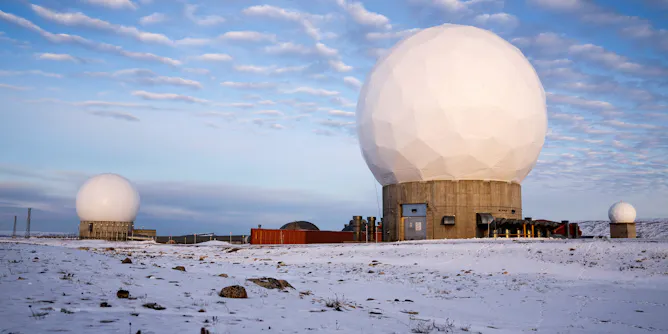
Greenland is central to US Space Force strategies for orbital dominance. Laws and treaties designed to maintain the peace in space are looking increasingly outdated.
Articles on Antarctic Treaty
Displaying 1 - 20 of 23 articles
In a world impacted by climate change, Antarctica holds the key to everyone’s future.
Since 1958, the US has led on Antarctic diplomacy and science. Trump’s funding cuts will diminish US capacity in Antarctica as China expands its presence.
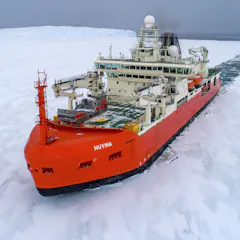
A parliamentary report has called on for a second icebreaking vessel and more reliable funding for Antarctic research.
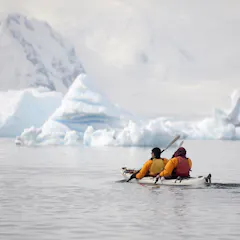
In our market-driven world, calculating the economic value of the environment can be a useful tool in garnering support for environmental protection.
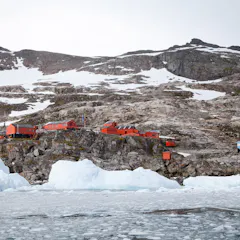
The proliferation of Antarctic research stations – 77 in all – is increasing knowledge of the continent but also the human impacts. A new study has identified the best ways to limit these impacts.
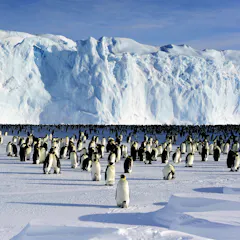
The first comprehensive assessment of trends in Southern Ocean ecosystems reveals an urgent need to address climate change. The summary for policymakers can guide decision-makers.
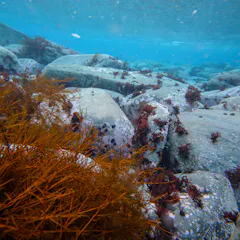
China and Russia have been blocking international plans to protect marine life in East Antarctica. Will next week’s special meeting in Chile break the deadlock? Australia hopes so.
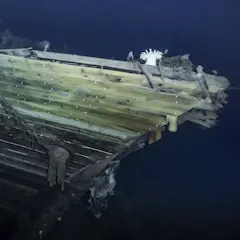
Earlier this month, one of the most famous shipwrecks in history was discovered in a part of Antarctica claimed by multiple nations.
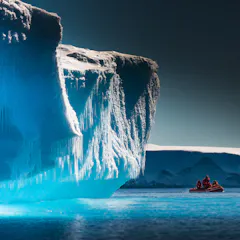
Strategic tensions with Russia and China are hardening globally and Antarctica won’t be immune from them. Can Antarctica stay peripheral, as it has in previous moments of geopolitical heat?
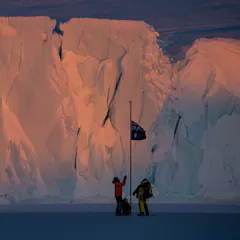
Complex questions over environmental protection and resource extraction require the signatories to give the future of the treaty much more serious attention.

‘Antarctic cities’ residents care deeply about the continent, with environmental concerns outweighing economic priorities. Asked about its future, they feel a mix of hope, pessimism and sadness.
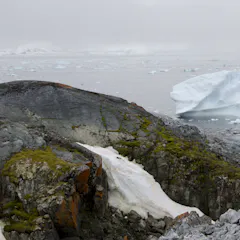
Protecting the continent’s remaining pristine wilderness areas is urgent, but achievable.
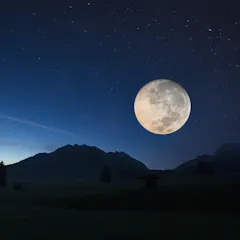
US and international law conflicts about who would be in charge if a private company established a Moon base or colonized Mars.
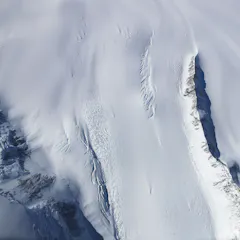
Two centuries after it was first sighted by Russian explorers, Antarctica is a key site for studying the future of Earth’s climate – and for global scientific cooperation.
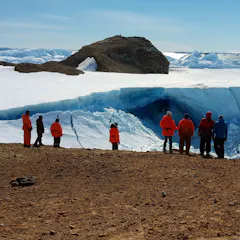
‘Dual use’ technology – technology used for both peaceful and military purposes – is allowed in Antarctica, according to the treaty.
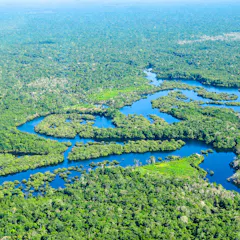
More than two-thirds of Earth’s remaining wilderness is in the hands of just five countries, according to a new global map. A concerted conservation effort is needed to save our last wild places.
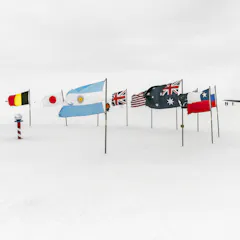
There are some limits on what countries can do in the Antarctic, but not when it comes to science.
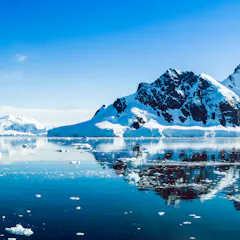
Under the terms of the current treaty all commercial mining is forbidden, but rumblings of discontent are stirring beneath the ice.
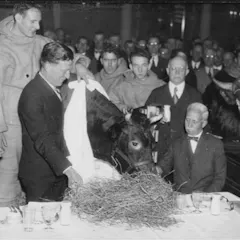
What would possess an Antarctic expedition to take dairy cows to the icy continent? Back in 1933, Admiral Byrd did so for reasons of image-making, publicity and territorial ambition.
Top contributors
-

Adjunct Professor, Institute for Marine and Antarctic Studies, University of Tasmania
-
Professor of Antarctic Studies, School of Humanities, University of Tasmania
-
Research Associate, Institute for Marine and Antarctic Studies, University of Tasmania
-
Associate professor, Singapore Management University
-
Research scientist, The University of Queensland
-
Senior lecturer, Institute for Marine and Antarctic Studies, University of Tasmania
-
Adjunct Senior Lecturer, University of Tasmania
-
Paul James is a Friend of The Conversation.
Professor of Globalization and Cultural Diversity, Western Sydney University
-
Postdoctoral research fellow, School of Biological Sciences, The University of Queensland
-
Professor of Economics, University of Tasmania
-
Transdisciplinary Researcher & Knowledge Broker, CSIRO
-
Professor of International Law, Australian National University
-
Director, Securing Antarctica's Environmental Future and Professor of Biological Sciences, Monash University
-
Senior Lecturer , University of Tasmania
-
Conservation biologist, Queensland University of Technology