
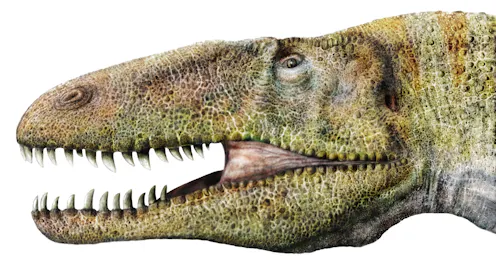
Un squelette de dinosaure vieux de 167 millions d’années va être mis aux enchères le 18 novembre 2026. Ce fossile a une importance capitale pour les paléontologues et pour la science en général.
- Associate professor in Vertebrate Palaeontology, University of the Witwatersrand

Palaeontologists have got a clearer picture of where turtles fit in the animal kingdom, thanks to analysis of a southern African fossil.
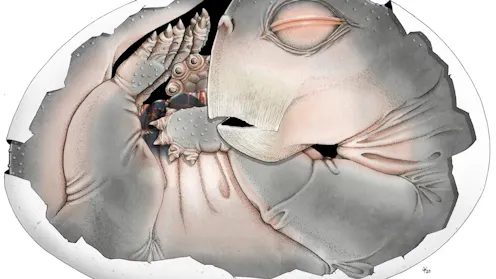
Un scan de haute précision d’un embryon fossilisé de thérapside révèle l’œuf le plus ancien attribué à un ancêtre des mammifères.
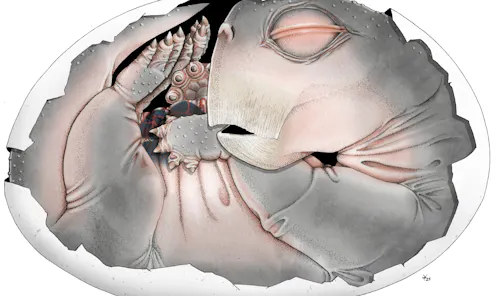
A detailed scan of a fossil therapsid embryo reveals the oldest egg belonging to a mammalian ancestor.
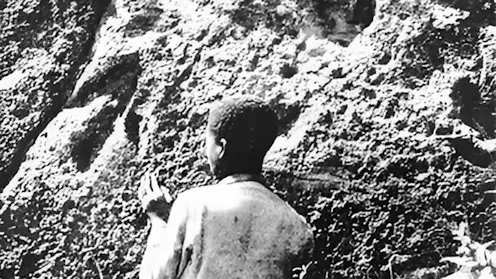
Long ago, people identified fossils in their environment and explained them within their own cultural framework. This was early citizen science.
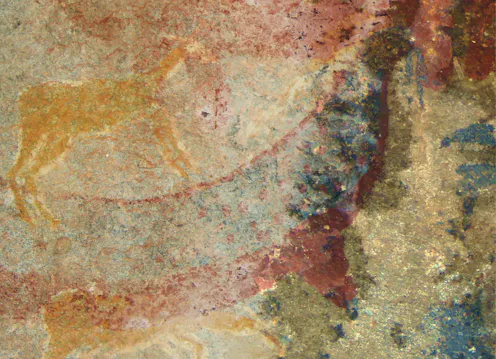
The first inhabitants of southern Africa knew about locally abundant dicynodont fossils and made rock art about them.
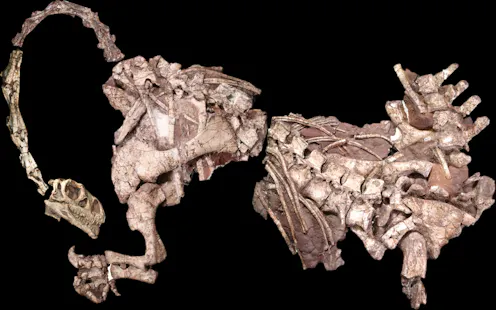
Some time between 1100 and 1700 AD, a Massospondylus bone was discovered and carried to a rock shelter in Lesotho.
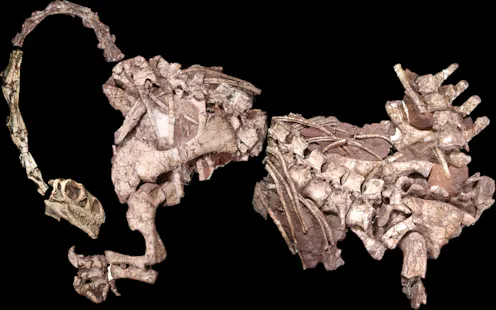
Some time between 1100 and 1700 AD, a Massospondylus bone was discovered and carried to a rock shelter in Lesotho.
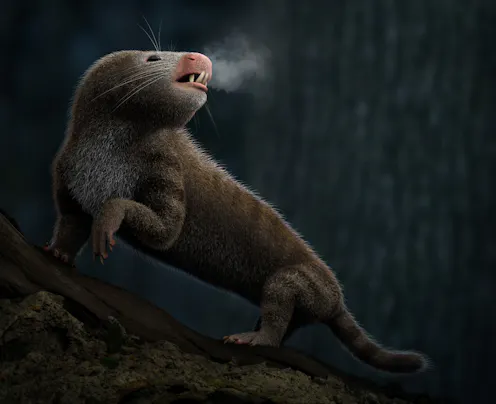
L’endothermie a probablement été l’une des clés du succès évolutif des mammifères et des oiseaux. Il est donc crucial de dater son origine.
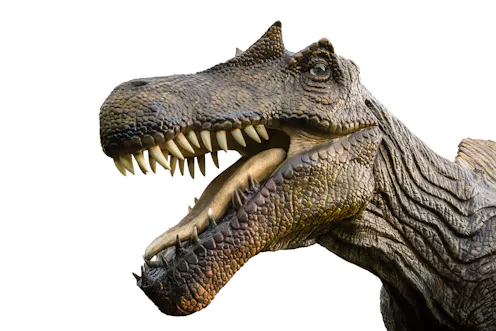
The African continent is a rich repository for dinosaur fossils, including teeth and track marks.
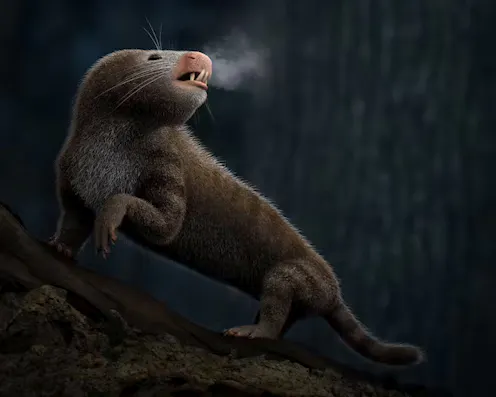
Berdarah panas adalah kunci dari apa yang membuat mamalia seperti sekarang ini. Itu sebabnya berolahraga ketika muncul pada nenek moyang mamalia penting.
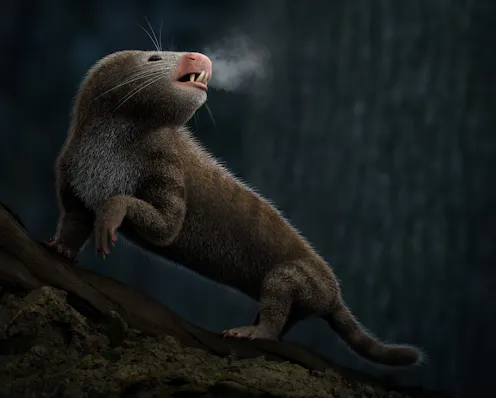
Warm-bloodedness is the key to what makes mammals what they are today. That’s why working out when it emerged in mammal ancestors matters.
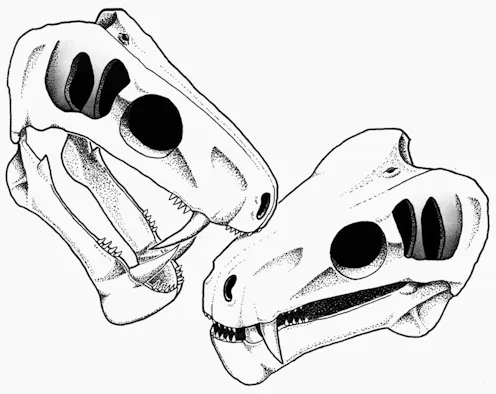
Finding a fossil tooth embedded in bone is always great news for palaeontologists, as it is the gateway to some otherwise out-of-reach understanding of the behaviour of extinct animals.
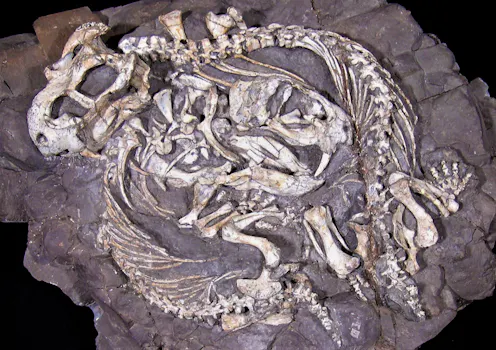
These new finds indicate that Diictodon was burrowing and giving some parental care to its young. This was long thought to be unique to mammals.
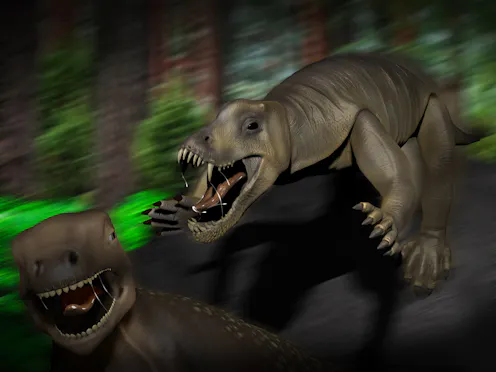
Because of its skeleton’s heavy architecture, scientists have always assumed that Anteosaurus was a rather sluggish, slow-moving animal, only capable of scavenging or ambushing its prey, at best.

The assumption that the lateral semicircular canal of the inner ear can be used to reconstruct head posture in extinct species has long remained unchallenged.
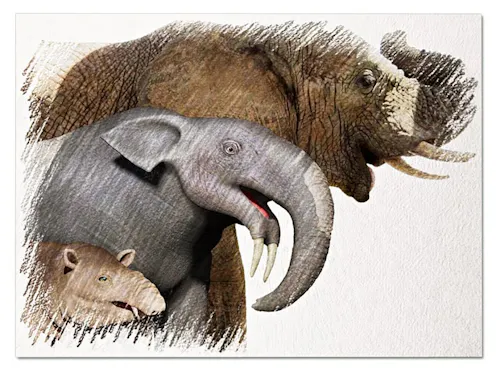
Perubahan iklim beserta dengan kerusakan lingkungan lainnya dan juga serangan dari pesaing dan predator baru tampaknya berperan penting dalam pembentukan kembali otak gajah purba.
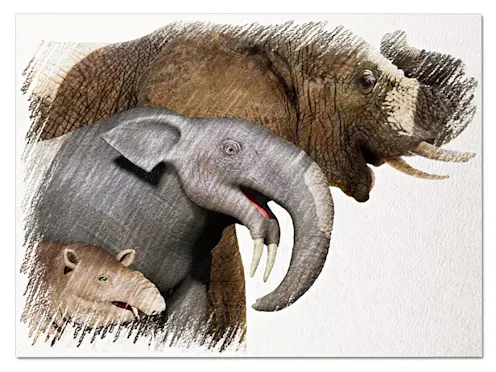
A shift in climate, along with other environmental disruptions and the invasion of competitors and new predators all likely played an important role in reshaping ancient elephants’ brains.
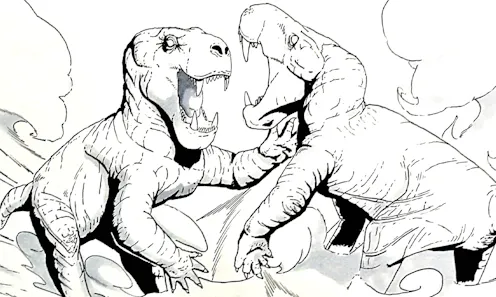
The discovery of a fossilised large predator is a rare event that offers insight into these beasts from the past.
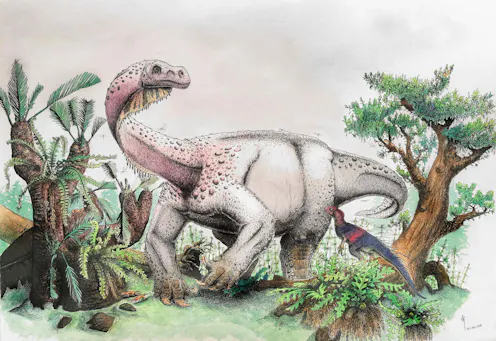
Five major finds this year adds to our understanding of evolution and ancient life history.
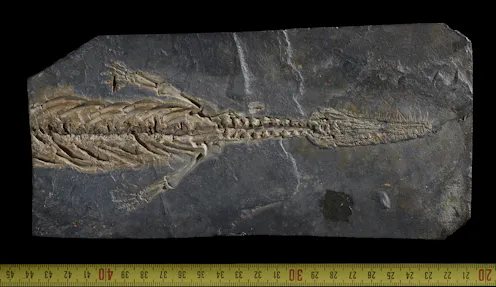
Ancient indigenous people often collected fossil shells, teeth and bones that have provided critical clues about human origins.
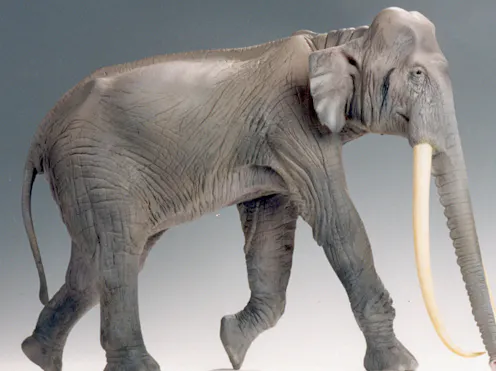
DNA studies reveal that African elephants belong to a very successful and widespread family.
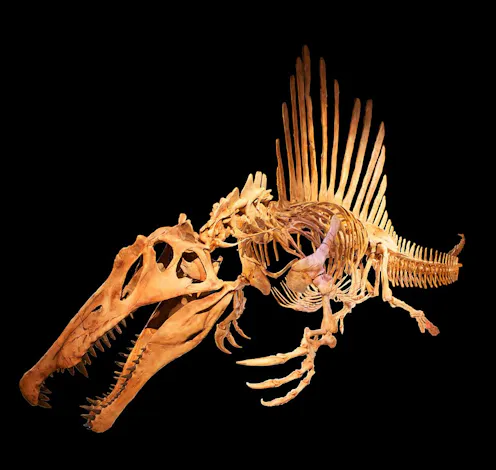
You might recognise Spinosaurus, from Jurassic Park 3, but did you realise it is 100% an African dinosaur?
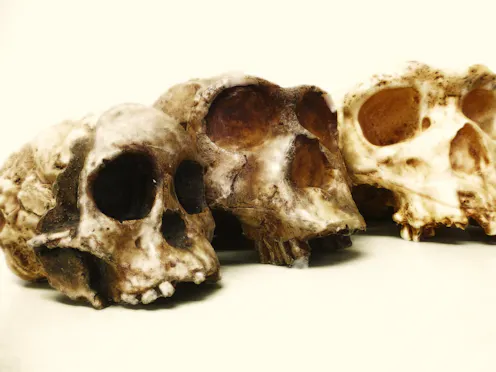
Recent research suggests that humankind’s origins lay outside of Africa. This is the nature of science: a paradigm that cannot be questioned on a regular basis becomes a dogma.

The belief that ancient Egyptians needed help from supernatural beings to built the Giza pyramids relies, unavoidably, on racism and colonial attitudes.
Contact Julien for
- General
- Media request
- Speaking request
- Consulting / Advising
- Research collaboration
- Research supervision
