

The new federal law favors energy technologies that are already profitable and increase global warming over cleaner approaches that could use the investment support.
Articles on Inflation Reduction Act of 2022
Displaying 1 - 20 of 25 articles
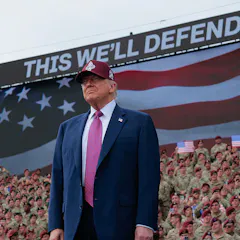
Billions of dollars in renewables investment once destined for the US could soon be looking for a new home. The Albanese government must capitalise.
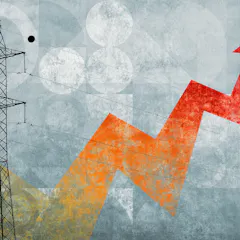
Some technologies could rapidly cut emissions, while others do little to fight climate change. The House bill favors the latter while nixing support for the former.

Entering office in the thick of the pandemic, Joe Biden faced science-related challenges on Day 1.

Harris and Trump have starkly contrasting records on health care. This analysis examines their differing approaches to Medicare, the ACA, drug pricing and other public health efforts.

Carbon capture is turning the oil and gas industry into a critical player for mitigating climate change – while its products continue to heat up the planet.
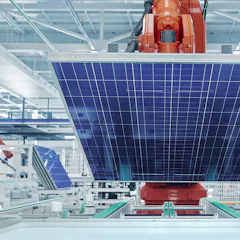
Prime Minister Anthony Albanese wants Australia to go “toe to toe” with the US in supporting green energy. Leading economists surveyed by the Economic Society are unimpressed.

Industry is a leading climate polluter: Our road map shows what’s needed to cut industrial emissions in fast-growing countries.
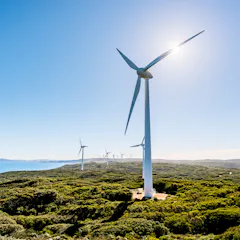
The federal government has been challenged to provide $100 billion over the next ten years to boost the renewables sector. But will policymakers respond to the challenge?
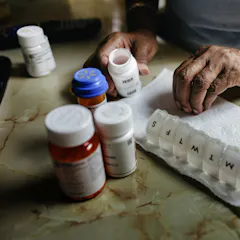
The drug pricing reform may drastically lower prices for some of the most critical life-saving drugs in the long run. But numerous obstacles stand in the way.
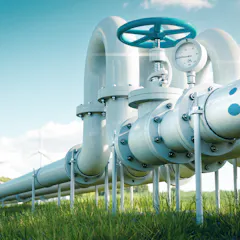
Hydrogen is getting a lot of attention as the EPA prepares to propose new emissions rules for power plants. But it has a problem: almost all of it used today is made from fossil fuels.

The incentives to bring manufacturing back to the US will affect productivity, but in ways that might be surprising.
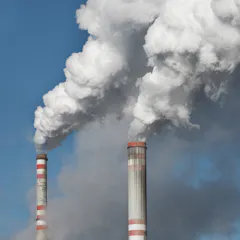
The UK is focusing on carbon capture and storage technologies but the future is uncertain.
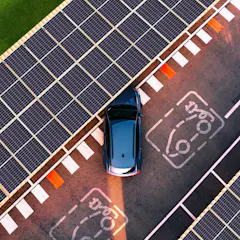
Start high, drop fast and avoid the free-riders: How to design subsidies that can boost clean energy in the US and elsewhere.
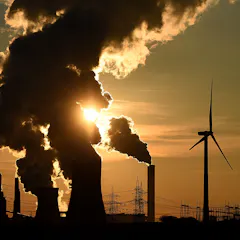
Roundtable discussions with leaders from major energy companies reveal a lack of pressure from regulators or investors and a strong belief that fossil fuel use will continue for years to come.
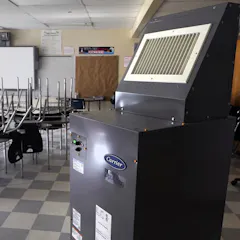
A lot of federal money is now available for making school buildings healthier. Two environmental health experts explain how school districts can best use it.

Cutting a home’s energy waste starts with stopping the leaks. Energy-efficient appliances and windows can make a difference, too.

China controls much of the global EV supply chain, but electric vehicles that use its parts and minerals won’t qualify for new US EV tax credits. Can America build its own supply chain?
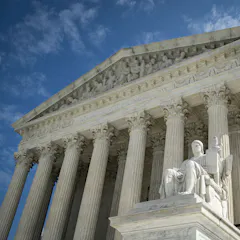
There’s some confusion around what the new climate law allows the Environmental Protection Agency to do. A law professor explains what’s changing.
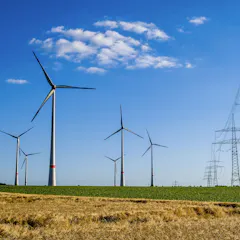
To put the $370 billion in subsidies to work, the US needs to build new infrastructure and manage a lot of regulatory hurdles.
Top contributors
-

Professor of Civil and Environmental Engineering, Rice University
-
Lecturer, Korean Politics/International Relations, The University of Melbourne
-
Interim Director, Penn State Sustainability Institute, Penn State
-
Professor of Law Emeritus, Vermont Law & Graduate School
-
Former Visiting Fellow, SPRU, University of Sussex Business School, University of Sussex, University of Staffordshire
-
Professor of Government, The University of Texas at Austin
-
Assistant Professor of Engineering, UMass Lowell
-
Professor of Supply Chain Management, University of California, Los Angeles
-
Associate Professor of Public Policy, Rochester Institute of Technology
-
Adjunct Professor of Environmental Communication, Tulane University
-
Associate Professor of Public Policy, Rochester Institute of Technology
-
Professor of Energy and Environmental Economics and International Affairs, Penn State
-
Assistant Professor of Business Economics and Public Policy, University of Michigan
-
Professor and Associate Dean (Education), University of Nottingham
-
Visiting Fellow, Crawford School of Public Policy, Australian National University