
Protein powders and protein-fortified versions of all manner of foods line grocery store shelves. But just because something has added protein doesn’t necessarily make it better.
Science + Tech – Articles, Analysis, Opinion
Displaying 76 - 100 of 4786 articles
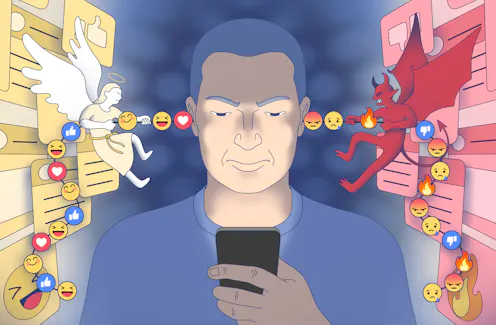
Algorithms on X tend to bring you posts that contradict your values, and it happens more to Democrats than Republicans.

Each person is a mosaic of sex-related and postpubertal biological traits that vary in their degree of femaleness and maleness.

Large datasets can be useful research tools, but current government efforts to gather medical records depend on policy and technology that falls short of protecting people’s privacy.

A long bath in brine is how deli meat gets its taste, texture and shelf life.
Millions of people suffer from debilitating symptoms their doctors don’t quite believe. But advances in neuroscience and education may be changing the tides for treatment.
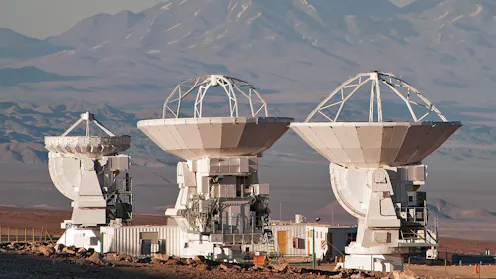
Interstellar maps can help scientists find patterns that tell them about fundamental chemical processes in the cosmos.

Alcohol abstinence alters brain activity in ways that may drive someone with alcohol use disorder to relapse.

Understanding what happened in these forests 56 million years ago may help humanity recognize similar thresholds before we cross them again, the lead author of a new study writes.

Chatbots are becoming commonplace in teens’ lives, but these tools were never developed or validated for mental health support.
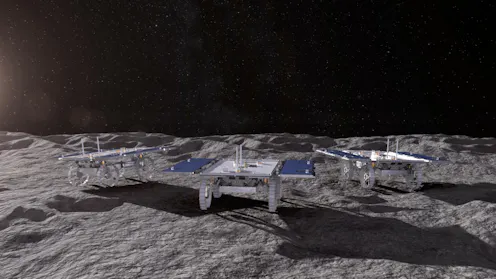
NASA’s CADRE mission will test a small team of autonomous rovers that can function without constant communication with Earth.
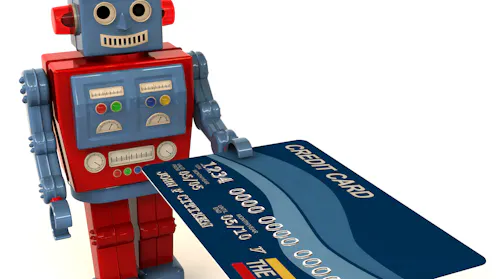
AI agents cross company boundaries, but proof of their authority often does not. When they overstep, no single record shows what the user allowed.
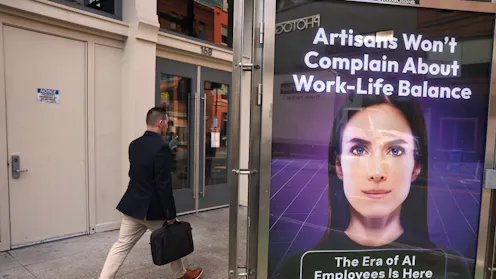
For too many companies, the adoption of artificial intelligence has become an AI hunger game that spreads fear rather than engagement.

Orbital data centers, space habitats, mining the Moon – despite taking place in space, the practices many companies are imagining will still affect the Earth.

Nations that lead the development of open-source technology will have a strategic edge for decades to come.
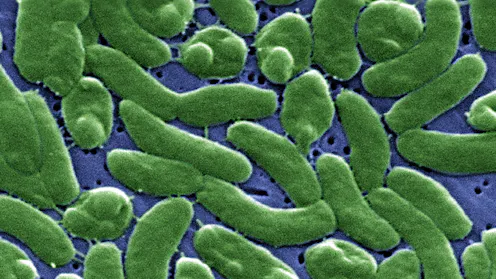
Warmer ocean waters are fueling the spread of the bacteria Vibrio vulnificus. Infections can lead to a rare but fatal condition called necrotizing fasciitis.
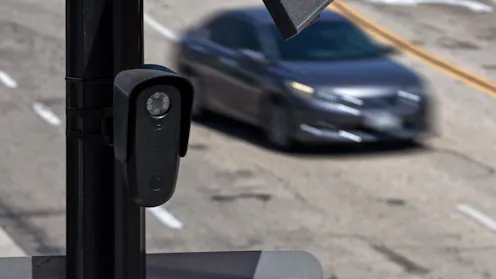
License plate readers are widely used in the US. A new product marketed to police departments promises to add the ability to sense phones and other devices in passing cars.

Computers break examples of human speech into small bits of sound, then put them together to sound like people do.

A new White House science strategy, laid out in a report titled Science: A New Golden Age, challenges an 80-year-old model that made the US the global scientific leader.

Friendships are integral to human health and well being, yet researchers know very little about how people make friends. A new study investigated what people prioritize for new friendships.

From COVID-19 vaccines to Moderna’s mRNA flu vaccine, using mRNA as medicine has shown promise. But before mRNA drugs can go beyond vaccines, researchers need to identify the right diseases to treat.
Working with and living in spatially complex environments may help delay cognitive decline, though more research is needed.
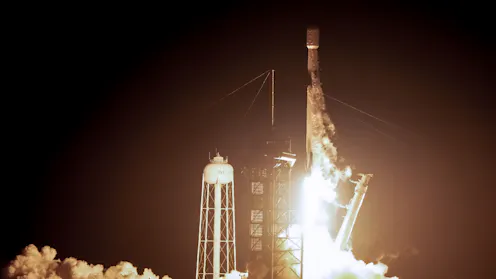
Point-to-point rocket delivery could cut down on transportation times. But engineers will need to figure out how to integrate rockets into current transportation systems.

A cybersecurity researcher explains how hackers target small computers that control a water system’s tanks, pipes and valves.

If Spider-Man were real, he could help scientists revolutionize healthcare. Since he’s not, researchers develop creative ways to produce spider silk to study.