

An unregulated sector has risks in itself but will also aid the rapid advancement of AI in China.
Science + Tech – Articles, Analysis, Opinion
Displaying 26 - 50 of 4786 articles
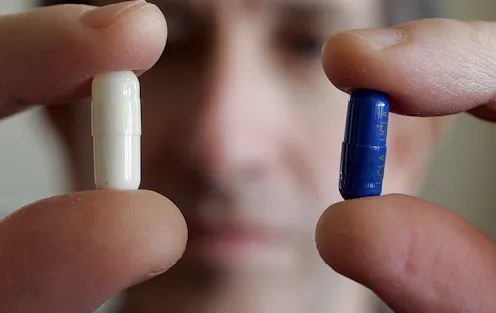
Understanding what a ‘control’ is can help you decide for yourself how insightful new studies are.
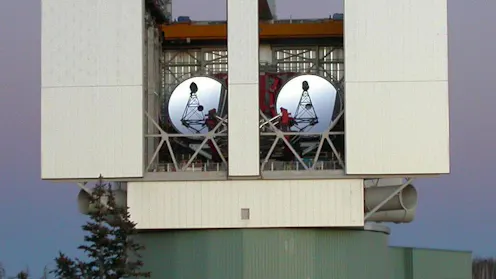
The early universe was kind of like a big game of musical chairs – scientists are figuring out how many particles were able to find ‘seats’ to understand the cosmos.

The 2026 guidelines recommend beginning screening as early as age 9, and incorporates more precise diagnostic tests.

Sea sanctuaries could work well for some animals, but up to this point, only a handful of animals have lived in them.

Smartwatch users should be wary of relying too heavily on these devices’ algorithmic measurements.

One Google response asked for my medical history. Another answered a personal health question without asking who I was. Both replies came across as authoritative advice.

Laws against surreptitiously recording someone extend to home devices like robot vacuums, but those recordings can still be used against you in court.

A strong immune response doesn’t necessarily mean better protection from infection. The type and timing of immune attacks matter, too.

In tests, some AI systems resisted being shut down. But an instinct to stay “alive” isn’t the reason they behaved that way.

While science journalism layoffs pile up and publications shutter, more science communication than ever is available via other online venues.

Rather than simply forgetting a memory, your brain has likely misplaced it. Aging can make memory confusion worse.
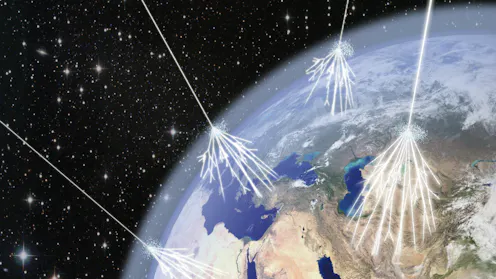
Scientists recreated cosmic rays in a massive underground particle collider.
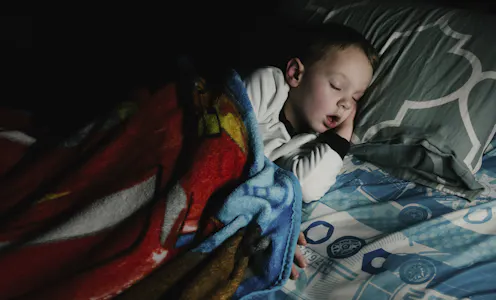
It might seem like a weird thing to do, but more than two-thirds of people have talked in their sleep at some point.
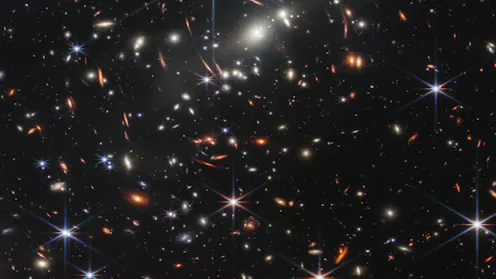
Massive objects bend light around them, a quirk that opens up unique opportunities for astronomical surveys.
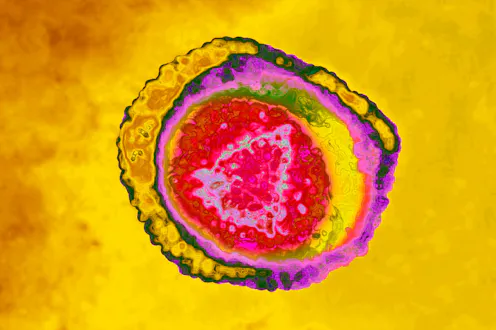
The pain of post-herpetic neuralgia can drive people to the point of suicide. Researchers are getting closer to pinpointing its cause – which may extend to other forms of neuropathy.

Good habits by consumers can stymie scams, but US regulations have fallen behind the technology.

Memories are dynamic, not fixed. Even if what you’re remembering about your own experience isn’t quite how it all happened, those memories serve important roles.
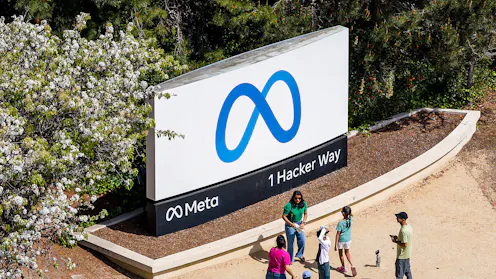
The settlement calls for changes to Meta’s platforms but does not change the company’s surveillance-based business model

Bacteria use strategies similar to artificial neural networks to use the past to adapt to the future.

A person with Tourette syndrome who holds back their tics may look fine, but keeping these involuntary urges contained can be draining.

Making broadband affordable and training people how to best use it are also key to saving time.

A massive solar flare could seriously disrupt life on Earth – but new NASA missions and others in development will help monitor the Sun.

Radio spectrum is a critical but limited resource, but advances in technology are making it possible to share.

60 years of ‘Star Trek’: A cultural anthropologist on how the show’s “infinite diversity in infinite combinations” conception helped shape NASA’s vision of the future.