
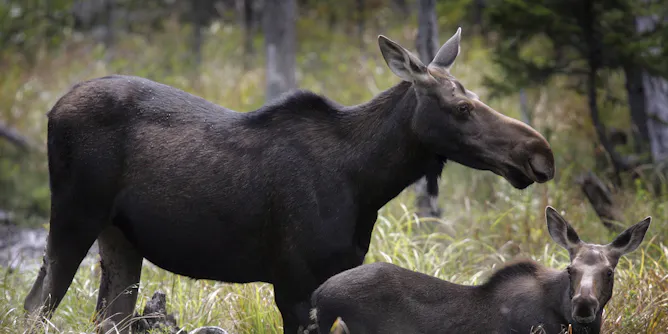
White-tailed deer host these brain worms, but they don’t actually get the disease, which makes it harder for biologists to monitor its prevalence.
Articles on White-tailed deer
Displaying all articles

A new archaeological study finds early evidence of white-tailed deer declines in the 17th century, likely driven by the commodification of deerskins under colonial capitalism.
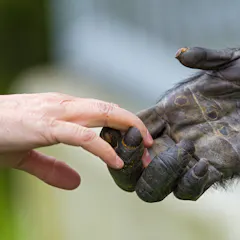
Infectious diseases can spill over from animals to humans as well as spill back. Each cross-species transmission gives pathogens a chance to evolve and spread even further.
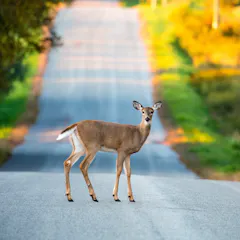
COVID has spread many times from humans to white-tailed deer and back again.
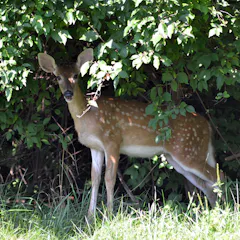
Scientists have been testing captive and wild animals for the coronavirus since the pandemic began. Only a few wild species are known to carry the virus, but many more have been shown to be susceptible.
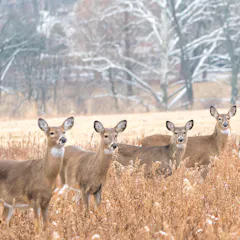
In a sample of white-tailed deer, 80% were found to have an active COVID infection.
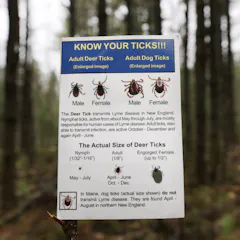
Reforestation and reintroduced deer populations are helping ticks expand their range. The parasites bring the bacteria that causes Lyme disease with them.
Top contributors
-

University Distinguished Professor of Microbiology, Immunology, and Pathology and Director of the One Health Institute, Colorado State University
-
Associate Professor of Microbiology, Immunology and Pathology, Colorado State University
-
Assistant Professor of Biomedical Sciences, Colorado State University
-
Senior Lecturer, Animal Life, University of Lancashire
-
Deputy Lead, School of Medicine, University of Lancashire
-
Senior Lecturer in Zoology, Bangor University
-
PhD Student, Ecology, Bangor University
-
Professor Emeritus of Epidemiology (Microbial Diseases), Yale University
-
Veterinary Microbiologist and Wildlife Epidemiologist, Colorado State University
-
Professor of Medical Geography, University of Florida
-
Postdoctoral Research Associate on the iDeer Project, University of Reading
-
Peter Buck Postdoctoral Research Fellow, Smithsonian Institution
-
Professor of Parasitology, University of Tennessee
-
Postdoctoral resident - National Center for Veterinary Parasitology, University of Tennessee