
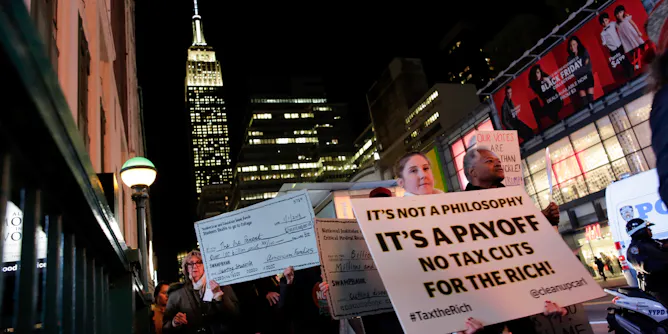
Historically, wishful thinking has blunted pushback.
Articles on Voters
Displaying 101 - 120 of 121 articles

Results from the latest report into civics and citizenship education show by the time students hit year ten, the majority of them have little knowledge about Australian civics and democracy.

A rare find in an Exeter library helps explain why the local student vote switched from the Conservatives to Labour.
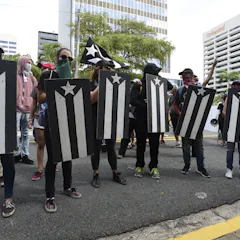
Some Puerto Ricans voted, but most stayed home amid a looming financial debt crisis and political protests. Will this vote matter?
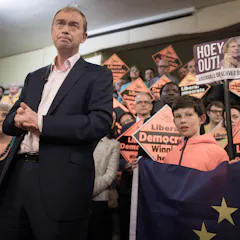
The particularities of the British electoral system make working together unrealistic.

Pre-referendum polling suggested South Asian voters were quite pro-Remain, but more recent data tells another story.
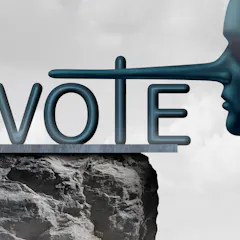
The polls convinced many that Clinton was headed to the White House. But the polls were misleading – and one behavioral scientist thinks emotion led respondents to mislead pollsters on purpose.
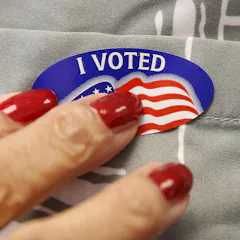
As Election Day approaches, candidates in races across the country will be doing everything they can to get out the vote – including turning to behavioral science.

Is xenophobic rhetoric enough to get Latinos to turn out in large numbers? An expert on Latino politics explains.
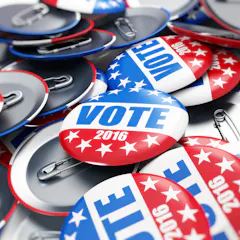
Facebook has already proved it can increase the number of people who vote in elections. But what if it tries to influence how they vote?
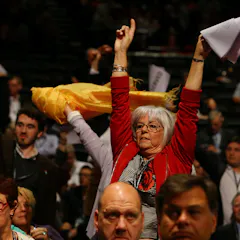
The Labour leadership contest is discussed as though people inside and outside the party were a different species.
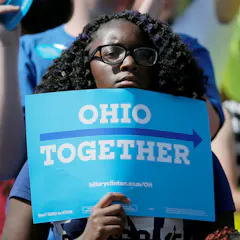
Historically unpopular presidential candidates are making voters uneasy on both sides of the aisle. An expert on conflicted voters explains why this poses an unprecedented challenge for campaigns.

Many municipalities in the South Africa don’t function properly because of poor management and administrative capacity. They don’t have enough appropriately qualified and experienced staff.
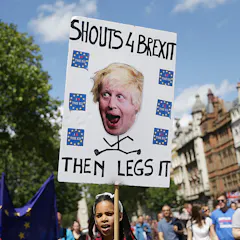
When confronted with two options, the electorate generally gets scared and votes for the status quo. We now see what happens when both options are frightening.
The contrast between Trump’s no-data approach and Clinton’s analytics-heavy campaign offers an opportunity to evaluate the role, and usefulness, of data in political campaigns.
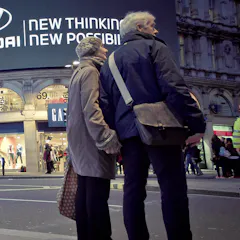
It’s not hard to see why the EU is being blamed for the ills of a globalised world.
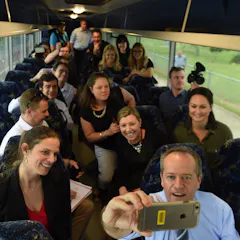
If the way voters interact with the leaders’ Facebook pages is any indication, social media is not having the impact on the campaign that it is assumed to have.
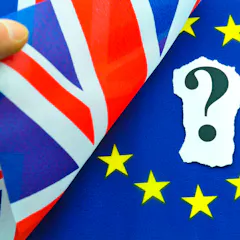
Personality politics is obscuring the information that voters need to make their decision on June 23.
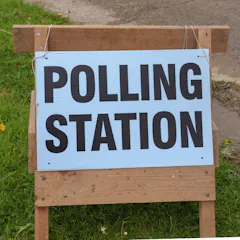
Local elections are taking place across 124 councils in England and will probably have a big impact on the day-to-day issues that most people care about.

Young people have the most at stake in the June 23 poll, but they know the least about the EU.
Top contributors
-

Professor, Department of Government, University of Essex
-
Research Professor at the Center for Political Studies, University of Michigan
-
Lecturer in Government, Jeff Bleich Centre for Democracy and Disruptive Technologies, Flinders University
-
Lecturer in Public Policy, University of Michigan
-
Professor of Political Science, Newcastle University
-
Postdoctoral Research Fellow, Department of Politics and International Relations, Queen Mary University of London
-
Honorary Reader in MIgration and Politics, University of Kent
-
Senior Lecturer, Political Science, Tel Aviv University
-
Vice-Chancellor and President, Australian Catholic University
-
Senior lecturer, University of Canberra
-
Professor of Geography, Durham University
-
Assistant Professor, Universitas Muhammadiyah Jakarta
-
Assistant Professor of Media and Journalism, University of North Carolina at Chapel Hill
-
Lecturer in Politics, University of Exeter
-
Dwight F. Benton Professor of Marketing, University of Michigan