

Researchers can study volcanic deposits at archaeological sites to piece together how ancient people responded to catastrophic events.
Articles on Volcanoes
Displaying 21 - 40 of 260 articles
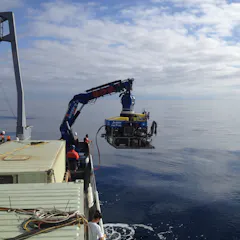
Microbes hidden deep in ocean volcanoes could resemble life on other planets or moons.
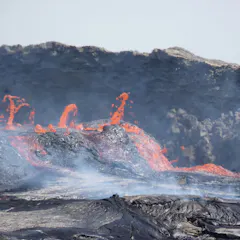
A new ocean is slowly forming from beneath Africa.
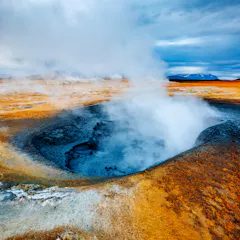
Pillars of hot rock connect moving BLOBS in the deep Earth to giant volcanic eruptions at its surface.
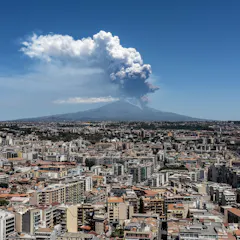
On an explosiveness scale from Hawaii to Vesuvius, the latest from Mount Etna was relatively mild.

The new detection methods are not only reliable and accurate – they are also highly portable and simple enough to be used outside laboratories.
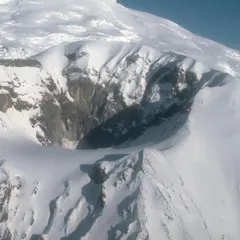
When volcanoes like Alaska’s Mount Spurr erupt, the ash can damage people’s lungs, smother crops and kill animals, and the harm can continue to spread long afterward.
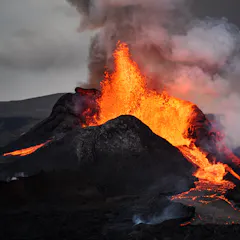
Ancient volcanoes in New South Wales created a rich deposit of precious rare earths – and left clues for finding more.
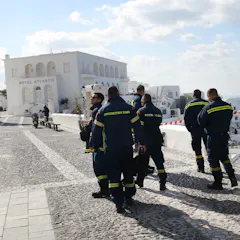
Several thousand earthquakes have been recorded near the Greek island since late January. So why is this happening?
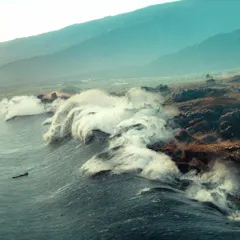
The show ends in a disaster that scientists just aren’t worried about.
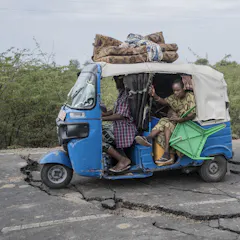
Volcanoes and earthquakes are both natural phenomena driven by the dynamic processes that shape Earth’s interior and surface.

Ash particles that get inside aircraft engines will melt and build up, causing disruption of the airflow. This could cause the engine to ‘flame out’ or stall.
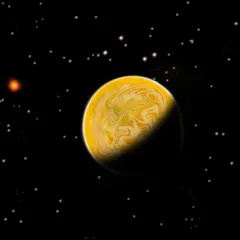
Astronomers have detected possible signs of gases released by volcanic activity.
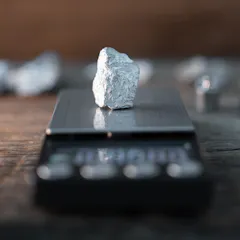
Rare earth elements aren’t necessarily rare – they’re just difficult to find in economically viable deposits.
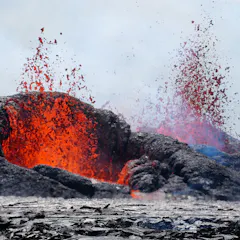
We don’t generate power directly from volcanoes, but their presence is a sign that there are good geothermal resources underground that can be tapped.
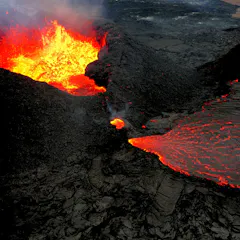
The eruptions that began in 2021 in Iceland could last for centuries, which is bad news for Icelanders but good news for scientists seeking to understand how the inner Earth works.
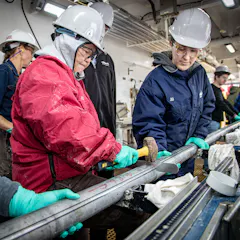
A newly discovered half-million-year-old layer of volcanic sediment beneath the Aegean Sea rewrites what scientists know about this area’s volcanic history – and potential future hazards.

Using a method applied directly to ancient hominin teeth, researchers have calculated the age of several important fossils.

These rare rocks come in a few different types, which can tell geologists about Mars’ volcanic past and hint at its potential habitability.
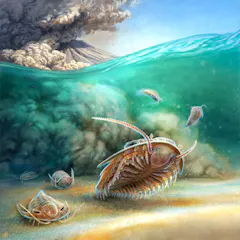
A 500-million-year-old find reveals previously unknown features of the sea creatures responsible for some of palaeontology’s most recognisable fossils.
Top contributors
-

Senior Curator of Geosciences, Museums Victoria Research Institute; Monash University
-
Volcanologist, Lancaster University
-
ARC Future Fellow and Associate Professor in Igneous Petrology/Volcanology, The University of Queensland
-
PhD researcher in Volcanology, UCL
-
Reader in Physical Geography and Natural Hazards, Coventry University
-
Professor in Earth Sciences, Nanyang Technological University, Singapore, and Emeritus Professor of Mineral Physics, University of Cambridge
-
Lecturer in Volcanology, University of Hull
-
Professor of Planetary Geosciences, The Open University
-
Emeritus professor in geology, Australian National University
-
Professor in Earth & Climate Science, University of Southampton
-
Assistant Lecturer in Volcanology, Monash University
-
Associate Professor in Earth Sciences, University of Tasmania
-
Professor of Geography, School of Law and Society, University of the Sunshine Coast
-
Associate Professor of Geology, University of Richmond
-
Associate Professor of Geosciences; Director for the Boise State Hazard and Climate Resilience Institute, Boise State University