
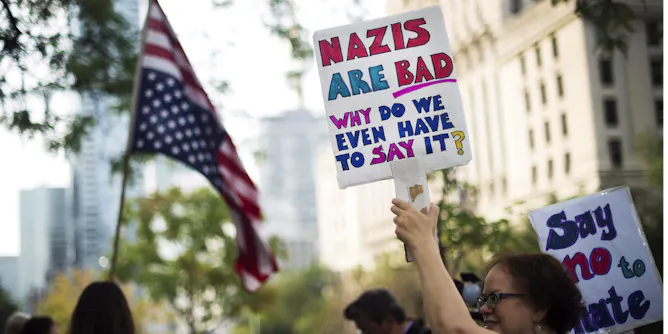
Critics of new terrorism laws argue they do not necessarily eradicate hate-fuelled violence — and they could make structural and institutional violence seem more palatable.
Articles on Violence against women
Displaying 141 - 160 of 304 articles
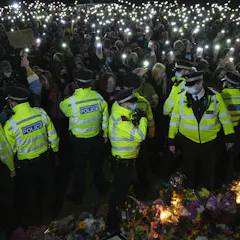
The terrible murder of a British woman is a clear example of how our behaviour at work can be linked to violence against women.
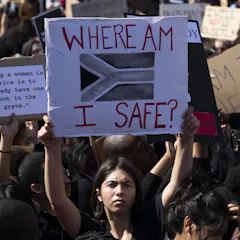
The problem of gender-based violence and femicide in South Africa is structural and fuelled by inequalities that transect race, class, gender, sexuality and age.
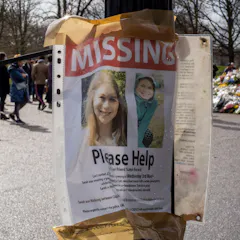
The government’s violence against women strategy fails to adequately address the reasons for women’s lack of safety.
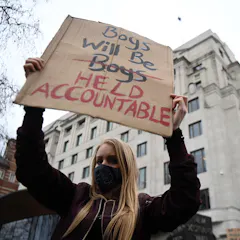
Investigations are underway over reports that Wayne Couzens exposed himself to women in the days leading up to his horrific crime.

When addressing domestic and partner violence, First Nations communities need to be involved in how men’s behaviour change programs are developed and delivered.

We have laudable goals on eradicating violence against women and children, but we are nowhere near achieving them. Here’s what needs to happen.

Researchers have interviewed hundreds of Afghan women about violence and mental health.
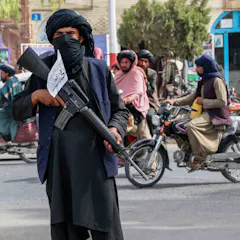
Culture change has been slow and difficult but the will to make life better for Afghan women was there. Now a big question mark hangs over their future.
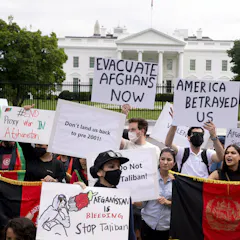
Despite the present conversation, the fate of the Afghan women will soon disappear from of our consciousness, writes Michelle Grattan
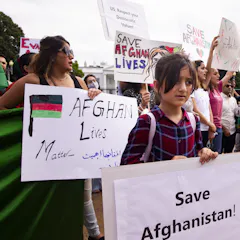
The Taliban have given every indication women and girls will face violence and repression as they back control of Afghanistan.

Policies are needed to prevent child marriage and protect women who marry as children from abusive relationships.
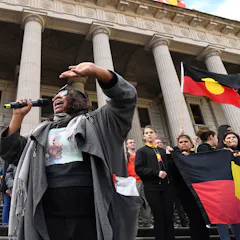
A documentary series aimed to spark national conversation about criminalising coercive control. However, it highlighted power imbalances in conversations between Indigenous and non-Indigenous women.
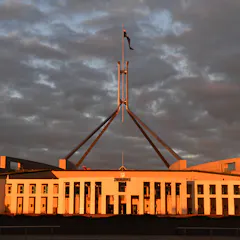
A key part of the budget’s focus on women was a funding boost to help stop domestic violence.
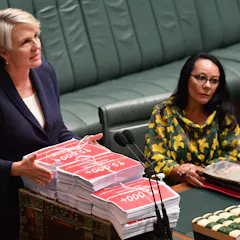
There is an urgent need to address the high rates of violence against Indigenous women and children. Australia has been silent on these issues for too long.
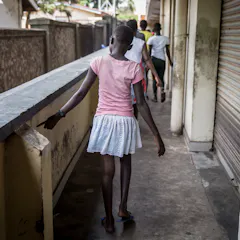
A gender perspective on public health is essential to human rights and safety in crisis situations.
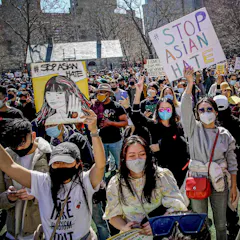
While the mobilization of mathematical literacy can be a powerful tool in the context of social movements, there is also dangers in numerating violence and pain.
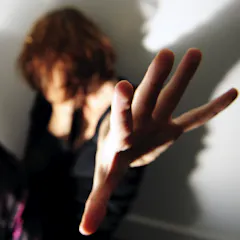
Sexist attitudes and misogynistic behaviours are the product of how boys are socialised. School is where change needs to start
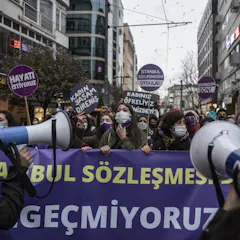
Turkey has withdrawn from a convention to protect the rights of women.
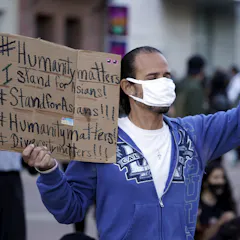
In trying to make sense of the recent mass killing in Georgia, it’s important to see that it was more than just violence against women and anti-Asian hate.
Top contributors
-

Professor of Family and Sexual Violence, RMIT University
-
Professor (Practice), Faculty of Business and Economics, Monash University
-
Professor of Social Work; Leneen Forde Chair in Child & Family Research, Griffith University
-
Professor, Department of Sociology & Anthropology, University of Guelph
-
Professorial Fellow, University of Canberra
-
Professor of Criminology, Durham University
-
Associate Professor in Criminology, The University of Melbourne
-
Chief Investigator for the Australian Research Council Centre of Excellence for the Elimination of Violence against Women (CEVAW), School of Philosophical, Historical & International Studies, School of Social Sciences (SOSS), Monash University
-
Associate Professor of Social Work, The University of Melbourne
-
Professor, Center for Research on North America, Universidad Nacional Autónoma de México (UNAM)
-
Managing Director, Her Story Consulting & Postdoctoral fellow, Australian National University
-
Eleanor Rathbone Chair of Sociology, University of Liverpool
-
Professor in Criminal Law, Durham University
-
Professor of Communication Studies; Research Chair on Intersectionality, Violence and Resistance, Concordia University
-
Professor of Cybercrime and Gender, University of Portsmouth