
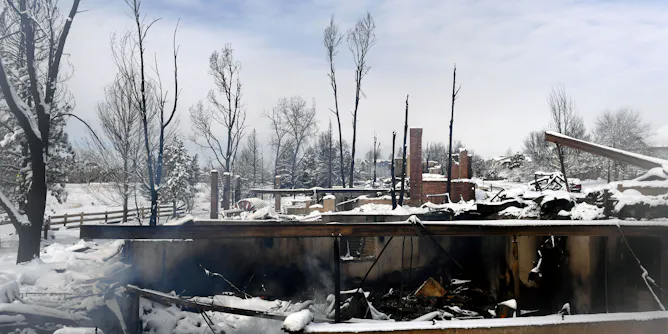
If fossil fuel companies misled the public about the dangers of their products, should they be required to pay for damages from climate-related disasters?
Articles on US Environmental Protection Agency
Displaying 1 - 20 of 92 articles

Keeping aging coal plants open, building new gas plants and choices about pollution controls affect electricity bills. Pollution adds health costs and climate damage that may not appear on those bills.

For decades, regular citizens and advocacy groups have filed suits that forced companies and the federal government to clean up the environment. Trump officials have moved to limit that power.
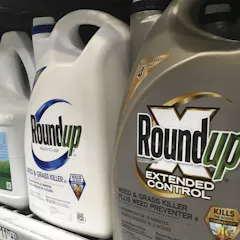
A case involving the potential dangers of glyphosate, the active ingredient in the weed killer Roundup, relates to broader efforts to protect consumers.

The move reshapes how future assessments of chemical dangers will be carried out, and if they’ll be ignored, delayed or understated to benefit industry.

The EPA’s new interpretations are strategically designed to appeal to the current US Supreme Court’s view of agency authority.
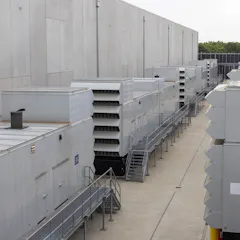
Using existing backup generators as regular sources of electricity would emit lots of pollution into American skies and endanger people’s health.

A case involving the potential dangers of glyphosate, the active ingredient in the weed killer sold as Roundup, could affect broader consumer-protection efforts.

The largest sewage spill in US history wasn’t the first, and it won’t be the last.
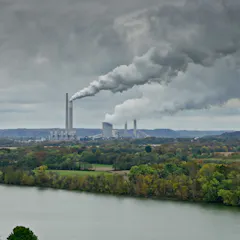
In the world of cost benefit analysis, if an impact isn’t monetized, it doesn’t exist. A former EPA official explains what’s changing now and why it matters.
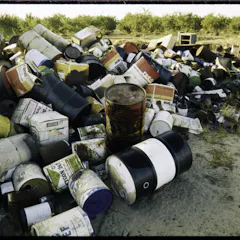
Critics of environmental protection laws may have forgotten how much progress has been made.
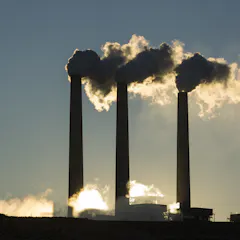
As soon as the 2018-2019 shutdown began, coal-fired power plants started emitting more particulate matter pollution. And when the inspections resumed, the levels dropped back to normal.
Companies with relatively many patents and more employees own facilities that tend to release lower proportions of their toxic waste into the environment.

Because of the federal government shutdown and proposed budget, key federal investigations may stop, including into what happened at a Chevron refinery in California in October 2025.

Careful research into public information and in-depth interviews has shown the scale of personnel cuts at the Environmental Protection Agency.

The 2009 finding that greenhouse gases endanger public health underpins many U.S. climate policies. A new report meant to challenge it may run afoul of several laws.
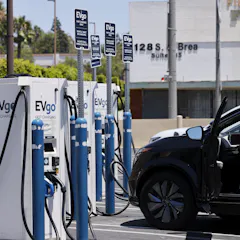
The American public agrees that vehicle emissions are harmful and should be regulated, and has indicated strong preferences for cars that pollute less.
The White House proposal represents a dramatic retreat from the national goals of clean air and clean water enacted in federal laws over the past 55 years.
The small blue Energy Star label has become one of the most recognizable environmental certifications in the US.
The first Trump administration also used words like ‘transparency,’ ‘reproducibility’ and ‘uncertainty’ − to try to block regulators from using important health studies when writing pollution rules.
Top contributors
-

Professor of Environmental Engineering, North Carolina State University
-
Professor of Law Emeritus, Vermont Law & Graduate School
-
Visiting Professor of Law and Environmental Affairs, Indiana University
-
Professor of Law, University of California, Davis
-
Executive Director, Sabin Center for Environment and Sustainability, Wake Forest University
-
Professor of Law and Associate Dean for International Affairs, Wake Forest University
-
Professor of Law, University of Kansas
-
Associate Professor of Civil and Environmental Engineering, University of California, Davis
-
Associate Professor of Public Policy and Economics, University of Virginia
-
Professor of Environmental Law, University of Maryland
-
Professor of Environmental Sciences and Engineering, University of North Carolina at Chapel Hill
-
Clinical Professor of Medicine, University of California, San Francisco
-
Assistant Professor of Economics, University of Virginia
-
Associate Professor of Preventive Medicine, University of Southern California
-
Lynton K. Caldwell Professor of Public Affairs, Indiana University