

As part of a 12-month trial, eligible women will be able to consult a pharmacist for UTI treatment or the pill with no out-of-pocket consultation fee.
Articles on Urinary Tract Infection (UTI)
Displaying 1 - 20 of 24 articles

Drinking is partly a brain-regulated behaviour: the brain detects changes in the body’s fluid balance, generates thirst and helps translate that signal into seeking and drinking water.

New research suggests some UTI-causing bacteria can survive antibiotics deep in bladder tissue, helping explain why infections sometimes return.

Sudden confusion needs urgent medical attention. A urinary infection is one possible cause, but a positive urine test may not give the whole picture.

Many women can go straight to the pharmacy and get antibiotics without having to wait to see a doctor. But some symptoms can signal a more serious infection.

Cranberries contain compounds that may help prevent urinary tract infections and support heart and brain health, but supplements are not always the best option.

Urinary tract infectionss are not an inevitable part of aging. With the right combination of medical treatments and lifestyle changes, women can reduce postmenopausal risk.

Certain strains of E. coli tucked in a gel can crowd out the microbes that cause urinary tract infections.
While vaccines such as Uromune may not be an accessible or perfect solution for everyone, they offer real hope for people tired of recurring UTIs and endless rounds of antibiotics.

We found increasing the amount of fluid you drink reduces UTI symptoms and antibiotic use. Especially if the fluids contain cranberry compounds.

New research documents how drones were used to track the temperatures of the Bay Islands anole lizard on the Honduran island of Utila.

Most strains of E coli are actually friendly to our gut.

Older people and Aboriginal and Torres Strait Islander people are at much greater risk of hospitalisation from UTI. Prompt medical care is important.

Chronic UTIs come back repeatedly or never fully go away despite treatment.

Understanding which changes are normal and when to seek help is important. Here’s what you need to know.

A new review shows consuming cranberry products reduces the chance of repeat UTIs for women, children, and those who are more susceptible to them due to medical procedures.
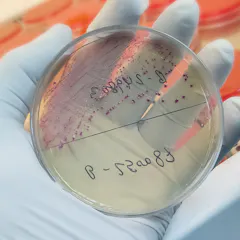
While newer, faster technologies are in development, it will still be some time before they’re in regular use.
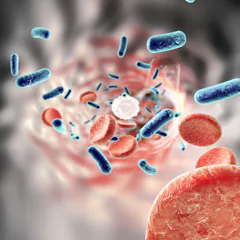
Sepsis onset can be difficult to recognize, in part because its symptoms can mimic those of many other conditions. A treatment delay of even a few hours can make the difference between life and death.
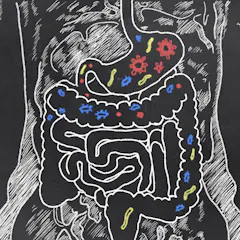
From dietary supplements to poop transplants, probiotics are now a multi-billion dollar market.

A surprising number of people are catching pneumonia or urinary tract infections in hospital, a new Australian study shows for the first time.
Top contributors
-

Assistant Professor in Biomedical Science, Bond University
-
Professor of Nursing and Health Services Research, University of Newcastle
-
Senior Lecturer in Molecular Microbiology and Microbial Biotechnology, School Of Biosciences and Chemistry, Sheffield Hallam University
-
chercheur à l'Institut de myologie, Sorbonne Université
-
Professor of Infectious Diseases and Microbiology, Australian National University
-
Andrology Fellow, Hudson Institute
-
Director Infectious Diseases, Austin Health
-
Associate Professor in Biomedical Technology, University of Southampton
-
Assistant Professor of Critical Care and Emergency Medicine, University of Pittsburgh
-
Associate Professor in Pharmacy Practice, Kingston University
-
Associate Professor of Molecular Microbiology, Sheffield Hallam University
-
Professor, Director of Research, Nursing and Midwifery, Monash University
-
Assistant Professor of Critical Care Medicine, University of Pittsburgh
-
Postdoctoral Research Associate, University of Reading
-
Senior Lecturer in Pharmacy Practice, Adelaide University