
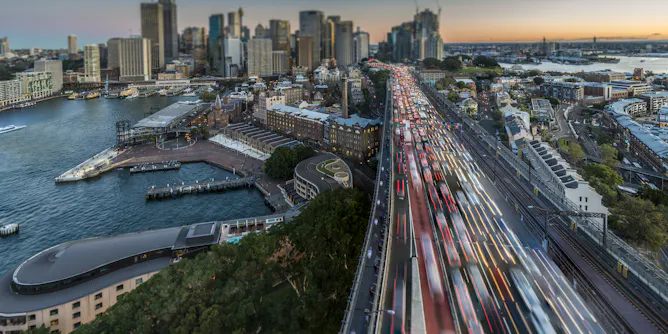
Planners have long tried to determine the ideal city size, and ideas have evolved with changing circumstances. But a good city depends more on the way it’s managed than on how many people it holds.
Articles on Urban planning
Displaying 381 - 400 of 695 articles

Our current celebration of cities is a big shift from the past generation when cities were seen to contain all of our problems. Should we believe the hype? Are the new ideas equally problematic?
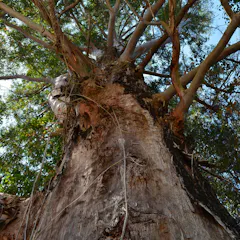
The ecological value of old trees is irreplaceable for native Australian fauna. Identifying and preserving these trees in cities through smarter planning strategies is important for local wildlife.

Community proposals for public swimming pools are popping up all over the country. But individuals need to work with governments to ensure these projects actually get off the ground.

There’s no such thing as a one-size-fits-all plan for sustainable, healthy urban living. Urban diaries help identify what works – and doesn’t work – for tropical cities like Cairns or Townsville.
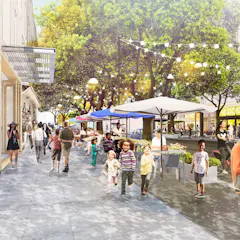
Facebook will build a village with housing and amenities in Silicon Valley, a new version of old, unsuccessful ideas of company towns and utopian communities. Will Facebook’s town face the same fate?

Planning matters. The 2005 riots in France started in badly designed housing projects, while innovative planning helped Medellín, Colombia, shed its reputation as the most violent city in the world.
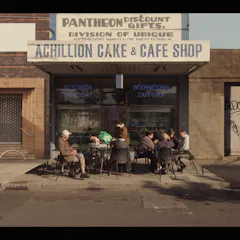
A 17-minute video artwork reflects on time and changing urban communities.
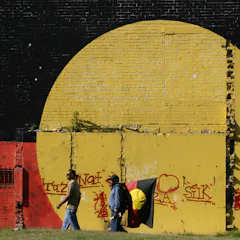
While planning policies and practices have contributed to marginalising Indigenous people, planners can now work with them to ensure they have their rightful say in shaping Australian communities.
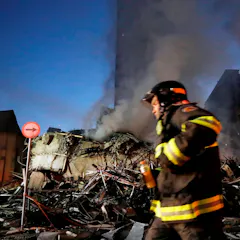
Hundreds of squatters were living in a vacant police station in São Paulo when fire broke out on May 1, killing up to four people. The residents were part of Brazil’s nationwide homeless movement.
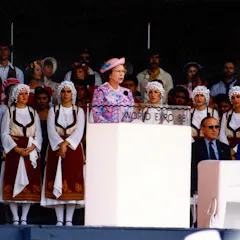
Expo 88 helped to create Brisbane’s South Bank Parklands by raising expectations of what the city could be like.

In an increasingly urban world, trees can make a major difference. One study found that, for every dollar invested in planting, megacities saw a $2.50 return on their investment.
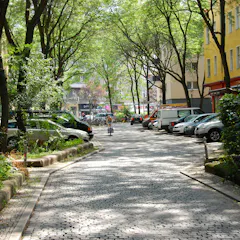
All around us, the places we inhabit send us physical and visual cues that influence our behaviour. Good design can tilt the balance so our surroundings help us act in ways that fulfil our needs.
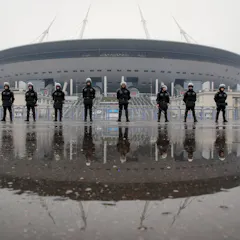
After a series of debacles, many metropolitan areas no longer want their leaders to vie for these opportunities.
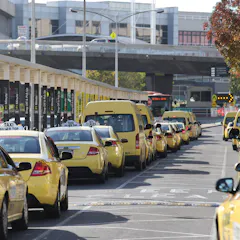
Good public access for Melbourne Airport and others like it depends on not fixating on one solution, like a single rail line, but instead developing multiple options integrated with the city’s needs.
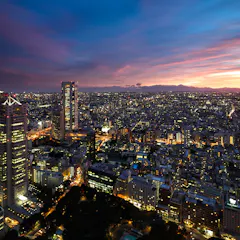
Character, resilience, convenience and sustainability are what make cities great places to live and learn.
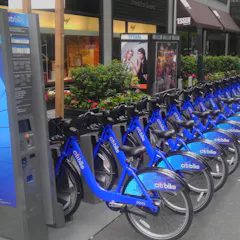
Dozens of US cities have launched bike-share programs in the past decade. There have been bumps – critics want wider access, and cities want bikes stored out of the way – but bike sharing is on a roll.
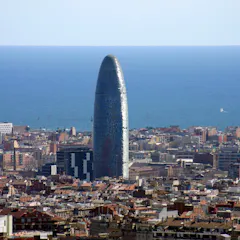
Women encounter many difficulties in cities that are products of male design and planning. We need to move past the practice of one group shaping our world on behalf of everyone else.
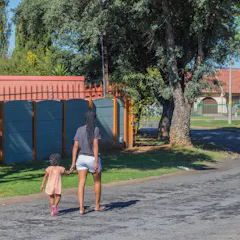
It’s critical to understand how mothers from all backgrounds navigate obstacles within the city as part of their daily lives.

Electric cars might be a quick fix to clean up transport, but the problems with cars go beyond just emissions.
Top contributors
-

Head of Urbanism and Associate Professor of Urban Studies, School of Architecture, Design and Planning, University of Sydney
-
Professor of Human Geography and Planning, University of Tasmania
-
Senior Lecturer in Urban and Environmental Planning, Griffith University
-
Associate Professor of Urban Planning, The University of Melbourne
-
Associate Professor in Urban Planning, The University of Queensland
-
Professor of International Planning, Centre for Urban Research, RMIT University
-
Professor of Planning, School of Built Environment, UNSW
-
Associate Professor in Urban and Regional Planning, University of Sydney
-
Senior Lecturer in Urban Planning & Design, Monash University
-
Associate professor, UNSW International Centre for Future Health Systems, UNSW
-
Professor of Sustainability, Curtin University
-
Honorary Professor of Planning, The University of Queensland
-
Teaching Assistant Professor, University of Pittsburg and Visiting Associate Professor, The University of Osaka, University of Pittsburgh
-
Research Active Lecturer, Discipline of Psychology, Charles Darwin University, Charles Darwin University
-
Senior Lecturer in City Planning, UNSW