
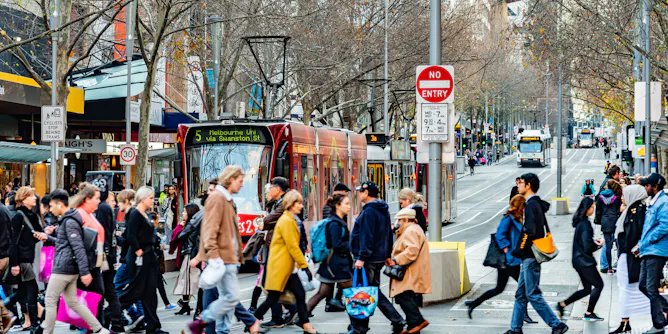
A newly released ten-year plan for Melbourne aims for fewer cars, safer streets and more shared spaces. A significant amount of parking and road space would be reallocated to walking and cycling.
Articles on Urban planning
Displaying 341 - 360 of 695 articles
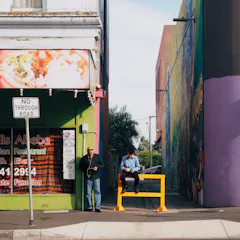
Footpaths are a valuable space for everyday social activity, but their role is often overlooked. In increasingly dense urban areas such as Footscray, footpaths are essential public spaces.
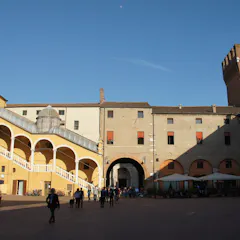
Leonardo da Vinci’s ideal city contained design features and engineering works not realised until hundreds of years after he died.
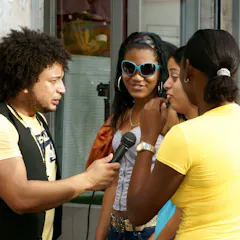
Podcasters are creating new conversations about who and what the city is for. But even in the podcasting world, powerful interests can make it hard for new and previously excluded voices to be heard.

As cities aspire to be smarter, technologies are only part of the answer. No utopia on the horizon but we need hostistic answers more than ever before.

For two decades, a competitive design process pioneered by Sydney City Council has been transforming the city skyline and, new research shows, raising standards as it goes.
New South Wales now has a minister for public spaces, a nod to their importance to the life of a city. But not all is well with public spaces and some issues demand the minister’s attention.
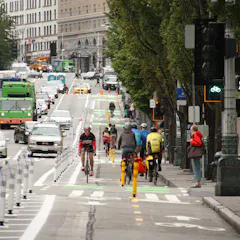
This collective fundraising technique helps defuse anti-cyclist sentiment before it dooms protected bike lanes and other new infrastructure.
Those in charge of urban spaces would like the public to believe that town and city environments have a predetermined function: participatory art challenges this view.
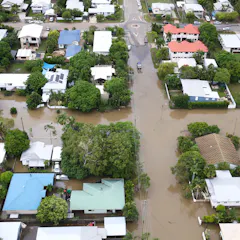
Amid fears that parts of Townsville and other Australian cities might become “uninsurable”, making urban areas more resilient and adaptable to flooding is becoming more urgent.
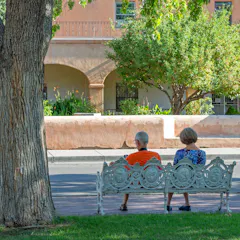
Two trends in Australia, an ageing population and warming climate, are increasing the threat that heatwaves pose to our health. Increasing vegetation cover is one way every city can reduce the risk.

In the fight against climate change, cities are now seen as having a major role to play. An ongoing study examines the effectiveness of the adaptation and mitigation plans of 126 coastal cities.
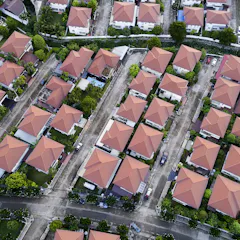
Much of the growth in our cities is in the outer suburbs, now home to around 5 million people. And that creates problems like traffic that detract from the advantages residents see in living there.
Other people influence how we vote, what jobs we apply for, which gadgets we buy – so of course they influence how we get around the city.
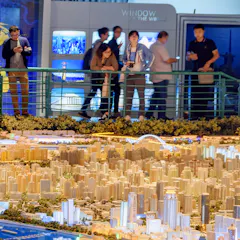
Urban planning should be long-term and visionary, but the public must have a say, too – that’s where urban rooms come in.
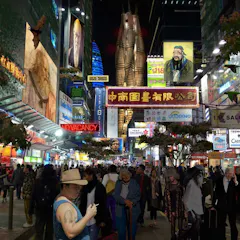
By adapting the charter city model to create a new city on the northern coast, Australia could be the world’s great 21st-century refuge.

Building defects in apartment blocks are far from unusual. We need to identify the systemic flaws contributing to them.
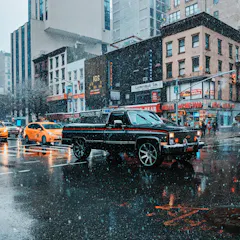
City planners and politicians have pitched carbon emission reduction as an individual choice but this leads to green gentrification and fails to make broad changes. We need a new guiding philosophy.
If the menu of potential activities that do us good is made to look uninviting or challenging, we are more likely to choose the easier but less healthy option.
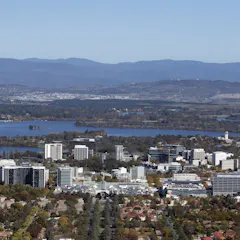
Canberra is growing as fast as anywhere in Australia. It’s driven by a knowledge economy that is transforming the city centre but is also displacing poorer residents.
Top contributors
-

Head of Urbanism and Associate Professor of Urban Studies, School of Architecture, Design and Planning, University of Sydney
-
Professor of Human Geography and Planning, University of Tasmania
-
Senior Lecturer in Urban and Environmental Planning, Griffith University
-
Associate Professor of Urban Planning, The University of Melbourne
-
Associate Professor in Urban Planning, The University of Queensland
-
Professor of International Planning, Centre for Urban Research, RMIT University
-
Professor of Planning, School of Built Environment, UNSW
-
Associate Professor in Urban and Regional Planning, University of Sydney
-
Senior Lecturer in Urban Planning & Design, Monash University
-
Associate professor, UNSW International Centre for Future Health Systems, UNSW
-
Professor of Sustainability, Curtin University
-
Honorary Professor of Planning, The University of Queensland
-
Teaching Assistant Professor, University of Pittsburg and Visiting Associate Professor, The University of Osaka, University of Pittsburgh
-
Research Active Lecturer, Discipline of Psychology, Charles Darwin University, Charles Darwin University
-
Senior Lecturer in City Planning, UNSW