
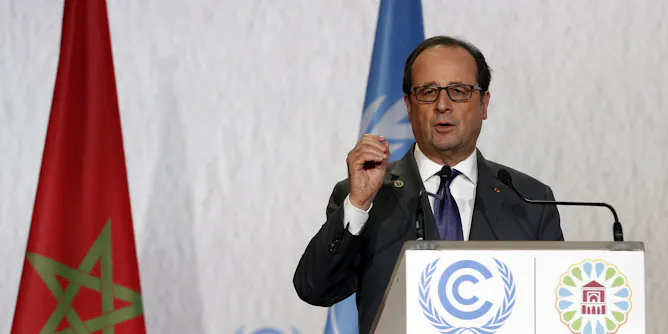
The latest climate summit began the long slog towards putting the Paris Agreement into action. But it generated more questions than answers, particularly on how to handle a Trump-led United States.
Articles on UNFCCC
Displaying 61 - 80 of 90 articles
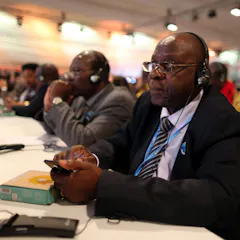
The halls of the Marrakech climate summit have been filled with fearful talk about Donald Trump’s presidency. But there is hope that the Paris climate treaty can weather the political storm.

Prime Minister Malcolm Turnbull has announced plans to ratify the Paris climate agreement, a day after US participation in the treaty was thrown into dought by Donald Trump’s election victory.
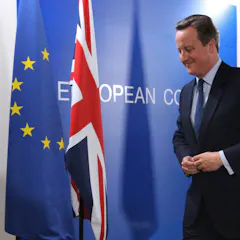
Britain was among Europe’s most progressive voices on climate policy. Its imminent withdrawal leaves the European Union grappling with voices of dissent from member states such as Poland.
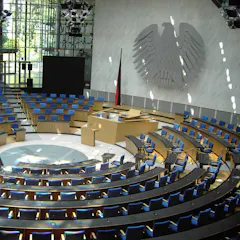
After the breakthrough at last year’s Paris climate talks, the hard work resumes this week as delegates meet in Germany to discuss how to ramp up countries’ climate targets.
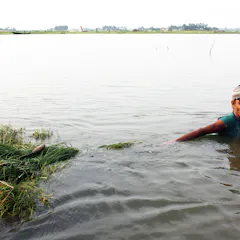
Despite the fanfare of signing the Paris Agreement on climate, little progress has been made on compensating poor countries for irreparable damages from climate change.
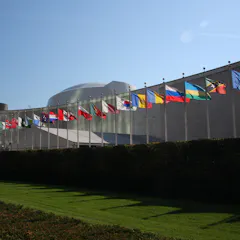
Australia will be one of more than 160 nations formally signing the Paris climate agreement in New York this week. But delivering on those promises is what really counts.
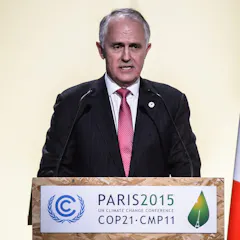
Australia has been mired in climate confusion for years - as reflected by its underwhelming performance at last year’s Paris climate summit. Here’s how to get things back on an even keel.
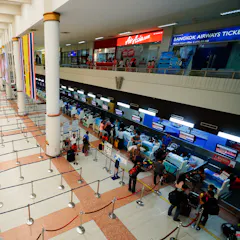
A carbon tax on airline tickets might sound like a tricky sell, but many airlines already collect a similar levy to raise funds for developing world health initiatives.
A majority of countries want visionary action rather than pragmatism at the Paris climate talks, says the International Institute for Environment and Development’s Saleemul Huq.
The draft text released midway through the Paris climate talks shows progress - but perhaps not enough for a truly ambitious deal.
At the halfway mark in the Paris climate talks, progress is still frustratingly slow as the negotiations risk falling prey to old stalling tactics.
A new bloc of ‘vulnerable’ countries has emerged at the Paris climate talks - perhaps heralding the end of the old rich-poor geopolitical divide.
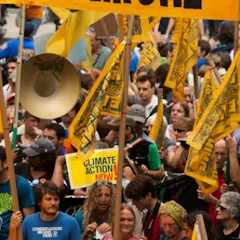
Don’t look to politicians and high finance, it’s pressure from below that will be the driver of change.
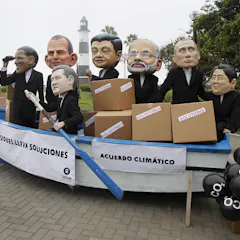
For as long as the United Nations has been holding climate summits, protesters have been gathering outside them to bemoan the rate of progress and call for tougher action.

The United Nations is promoting a website to measure, reduce and offset your personal carbon emissions. But will this fix climate change?
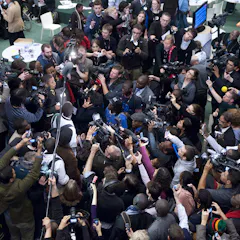
The stakes could scarcely be higher at December’s climate summit in Paris, described as the world’s best chance of averting climate catastrophe. The Conversation will be there to see if the talks can deliver.
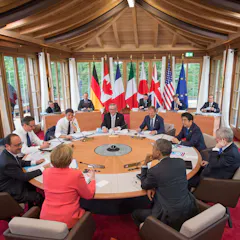
Advocates of climate action have been saying it for years - we need to wean ourselves off fossil fuels completely. And now, the leaders of the world’s richest countries have started saying the same.
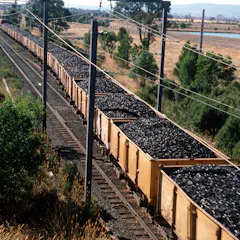
Australia’s grilling by other major nations at this week’s climate talks in Bonn show that it still has serious questions to answer over the scope of its greenhouse emissions-reduction targets.
Cutting soot emissions may be fashionable but it won’t stabilise global temperatures
Top contributors
-

Former Visiting Fellow, SPRU, University of Sussex Business School, University of Sussex, University of Staffordshire
-
Associate Professor, The University of Western Australia
-
Postdoctoral Research Associate in Existential Risk, University of Cambridge
-
Associate Professor of Law, University of Waikato
-
Research Associate, Institute for Climate Risk and Response, UNSW
-
Professor of International Relations, The University of Queensland
-
Senior Lecturer in Climate Justice, University of Bristol
-
Professor of Earth System Science, UCL
-
A.J. Meyer Professor of Energy and Economic Development, Harvard Kennedy School
-
Professor of Political Science, UCL
-
Professor of Applied Governance and Public Policy, York University, Canada
-
Senior Lecturer in Government, University of Essex
-
Faculty of Law, The University of Western Australia
-
Senior Research Fellow and Associate Professor, Melbourne Climate Futures initiative, The University of Melbourne
-
Honorary Associate Professor, The Crawford School of Public Policy, Australian National University