
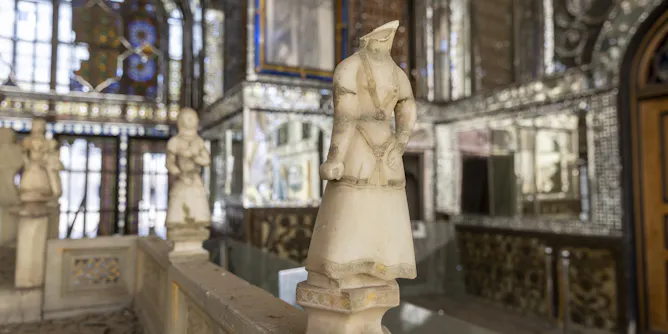
Damage to heritage sites across Iran has been reported since the onset of war with Israel and the US in February.
Articles on UNESCO World Heritage sites
Displaying 1 - 20 of 158 articles

Nearly 43% of UNESCO World Heritage Sites in Europe are now highly vulnerable to climate-related risks.
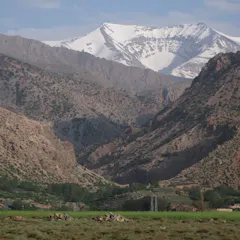
Africa has some of the world’s most important geological landscapes, yet they remain under-represented in digital geoheritage research.
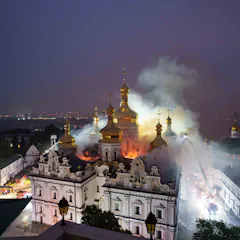
This attack has been widely understood as a Russian attempt to eradicate Ukrainian identity, and target a site that is extremely spiritually important to Ukrainians.
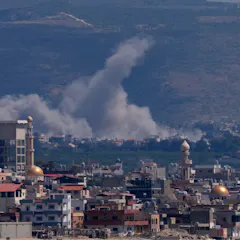
Israel’s airstrikes in the south of the country have damaged ancient Roman ruins, mosques, schools and churches.

An archaeologist examines the cultural obliteration Iran has incurred as a result of strikes in the US-Israel-Iran conflict. How can such damage be compensated and which global organisations can the country turn to?

This year, UNESCO will conduct a fact-finding mission to decide on Wood Buffalo National Park’s World Heritage status.
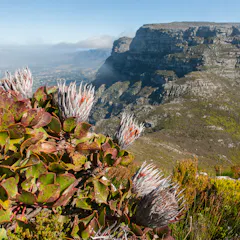
The latest checklist of Table Mountain flora shows that Cape Town is still a global hotspot for threatened flowering plants.
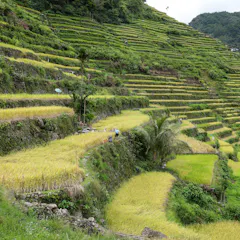
As climate extremes intensify, adaptation debates favor new technologies. Terraces in the Philippines and Morocco show how people modified their landscapes to respond to past climate shifts.

Globally important natural areas such as Ningaloo and Shark Bay have been hard hit in recent years. But Macquarie Island is recovering.

Many of these extraordinary places are increasingly at risk due to escalating climate change, invasive species, and and a lack of consistent funding to protect them.
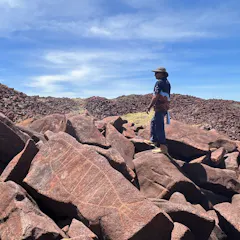
Murujuga is Australia’s 21st world heritage property, but only the second property listed exclusively for its Indigenous cultural values.
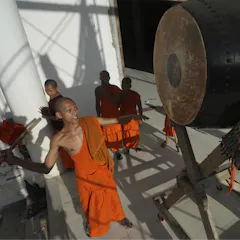
The World Heritage listing raises timely questions, such as whether we might see nominations for sites from Australia’s own genocidal past.
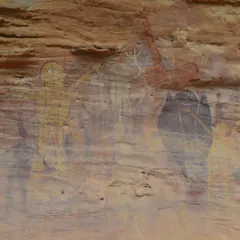
The Queensland government has halted a World Heritage nomination bid put forth by Labor last year. It’s next steps could greatly impact the cape’s future.

New research indicates Dargan Shelter was occupied as early as the last Ice Age and repeatedly visited during this cold period.
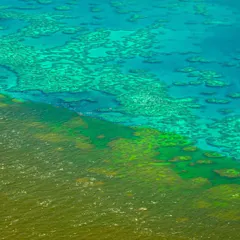
UNESCO’s comments confirm what experts already know: despite substantial money and effort, threats to the Great Barrier Reef aren’t going away.

The Jasper fire reinforces the risks that climate change and related extreme weather events pose to Canada’s world heritage sites.
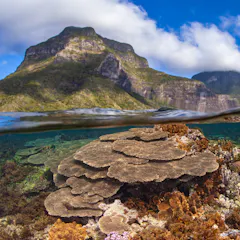
We all know the Barrier Reef – but Australia also has three other World Heritage reefs, Ningaloo and Shark Bay in Western Australia and Lord Howe Island off the New South Wales coast.

Using a method applied directly to ancient hominin teeth, researchers have calculated the age of several important fossils.
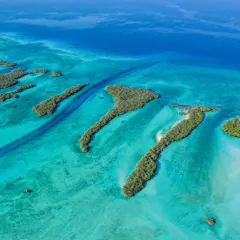
Baby corals may hold promise for building coral reef resilience in Seychelles and beyond.
Top contributors
-

Adjunct Principal Research Fellow, College of Science and Engineering, James Cook University
-
UNESCO Chair on Climate Change Variability of Natural and Cultural Heritage and Professor in Physics, James Cook University
-
Distinguished Professor, James Cook University
-
Professor, Director of Centre for Rock Art Research + Management, The University of Western Australia
-
Professor of Pyrogeography and Fire Science, University of Tasmania
-
Professor in Conservation Science, School of the Environment, The University of Queensland
-
Associate Professor in Environmental Science, Western Sydney University
-
Professor, School of the Environment, The University of Queensland
-
Corporate governance lecturer, University of Tasmania
-
Senior Lecturer in Architectural HIstory and Theory, UNSW & Honorary Research Fellow, Australian Centre for Architectural History, Urban and Cultural Heritage (ACAHUCH), UNSW
-
Postdoctoral research fellow, School of Biological Sciences, The University of Queensland
-
Honorary Fellow in Economics, The University of Queensland
-
Professorial Fellow, ARC Centre of Excellence for Coral Reef Studies, James Cook University
-
Postdoctoral Research Fellow, The University of Western Australia
-
Professor of Environmental Management, The University of Queensland