
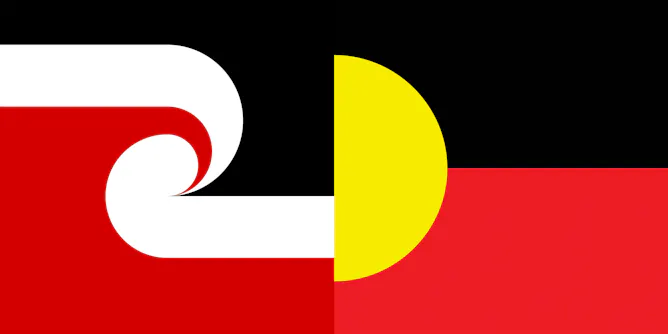
When public services don’t work for Indigenous peoples, it’s more than just a case of policy failure. As long as colonial assumptions are embedded in the system, there can never be real progress.
Articles on Treaty of Waitangi
Displaying 41 - 60 of 66 articles
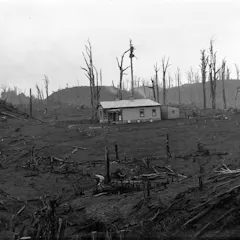
Nineteenth-century European settlement is often depicted as a triumphal ‘taming of nature’. But does that collective memory impede more honest appraisals of the environmental risks we face today?
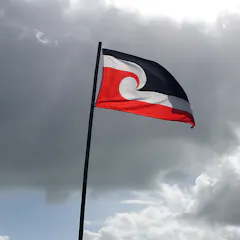
David Seymour says misinterpretation of the Treaty risks creating an ‘ethno-state’. But ‘Critical Tiriti Analysis’ aims to enhance democracy by ensuring a Māori voice at the heart of policy making.

Like it or not, many Pākehā New Zealanders are the beneficiaries of a colonial settlement system based on dispossession and alienation. How can the past and present be reconciled honestly?

With Treaty of Waitangi settlement negotiations winding down, customary marine title claims are only just beginning. A recent High Court decision could provide the way forward.
Chinese people have been in New Zealand for over 180 years, but their remarkable story will remain widely unknown if it isn’t taught in schools.

By borrowing from the British NHS system of working closely with general practitioners, this radical shake-up of New Zealand’s health system can greatly improve primary healthcare.

A veterinary scientist by training, Massey University Vice-Chancellor Jan Thomas has turned to the humanities to learn more about Māori. Here she explains why.
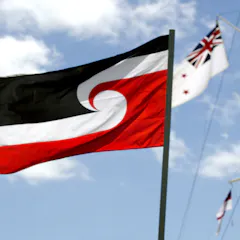
The struggle to establish Māori wards centres on the rights and privileges of citizenship promised in the Treaty of Waitangi.
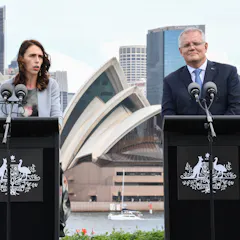
In a major essay, senior Australian political correspondent Laura Tingle suggests her country could still learn from the New Zealand ‘experiment’.

New Zealanders have, in principle, access to free healthcare. But inequality is a major issue, affecting Māori and Pasifika communities and New Zealanders living with disabilities or in poverty.

The impact of colonialism can’t be reversed, but as New Zealand implements the UN declaration new ideas emerge of a state that represents first peoples more fairly.
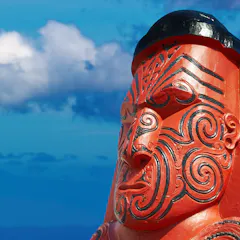
A major review of New Zealand’s health system points to systemic racism as a reason for disparities in health outcomes for Māori. But it was split on the role a proposed new Māori agency should play.
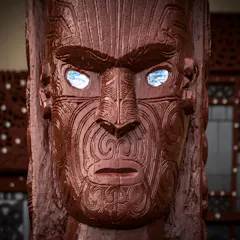
Māori knowledge, memory and cultural strength will only enhance New Zealand’s economic recovery planning – if they are listened to.

New Zealand’s commemorations of James Cook’s arrival 250 years ago were least about the British explorer himself, but instead focused on Polynesian voyaging heritage and encounters with Māori.

The land occupation at Ihumātao, near Auckland’s airport, is reviving forms of protest common in the 1970s, now enhanced by new media and led by a new generation of Māorikeen to see grievances addressed.

A report on primary health care found New Zealand fails to deliver good outcomes for Māori because the state does not stand aside to allow Māori to take charge of their own affairs.
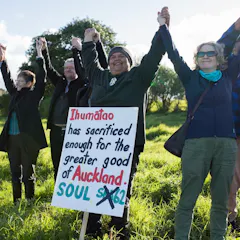
New Zealand is the last major landmass to be settled. One of the sites of earliest occupation is under threat from development, despite its cultural significance for Māori.

Māori and Pasifika leaders’ experience of racism in government advisory groups suggests ongoing inequities in New Zealand health policy.
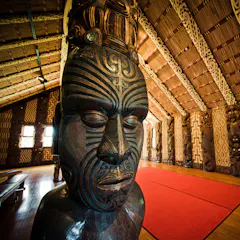
Much of the debate about the Treaty of Waitangi has focused on sovereignty and self-determination, but the issue of citizenship needs more attention.
Top contributors
-

Adjunct Professor, Stout Research Centre, Victoria University of Wellington and Auckland University of Technology, Professor of Political Science, Charles Sturt University
-
Professor of Race Relations, Health and Wellbeing, Te Kunenga ki Pūrehuroa – Massey University
-
Professor of History, Te Kunenga ki Pūrehuroa – Massey University
-
Professor of Law, University of Waikato
-
Honorary Adjunct Professor, Te Kawa a Māui - School of Māori Studies, Te Herenga Waka — Victoria University of Wellington
-
Associate Professor of Political Science, University of Waikato
-
Research Associate, Public Policy Institute, University of Auckland, Waipapa Taumata Rau
-
Professor of Politics, Te Kunenga ki Pūrehuroa – Massey University
-
Adjunct professor, Te Herenga Waka — Victoria University of Wellington
-
Emeritus Professor of Law, University of Auckland, Waipapa Taumata Rau
-
Professor of Law, University of Waikato
-
Professor of History, Auckland University of Technology
-
Professor of Political Science, Te Herenga Waka — Victoria University of Wellington
-
Senior Lecturer in Public Policy, Te Herenga Waka — Victoria University of Wellington
-
Professor, Te Herenga Waka — Victoria University of Wellington