
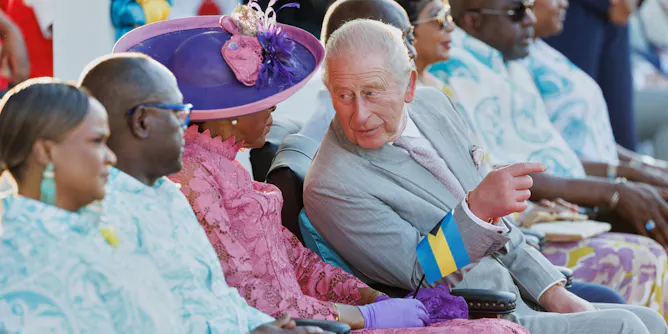
For locals, the king’s Caribbean visit is an occasion to recognize the full story of Britain’s trafficking and enslavement of millions of people across the Atlantic.
Articles on Transatlantic slave trade
Displaying 1 - 20 of 63 articles

From phantom ships carrying enslaved people to an apparition in a Maine lake, ghost stories have revived memories of injustices that might otherwise have been forgotten.
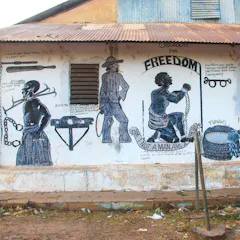
Recognising African agency in colonised territories allows us to rethink borders and revise history.
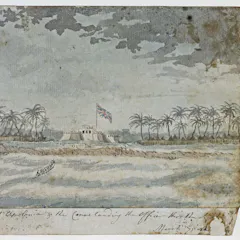
Why did Appolonia trade so few enslaved people? Short answer: unique economy and sacred beliefs.
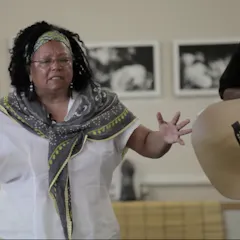
Her poem I’ve Come to Take You Home was written into French law. It deals with the repatriation of the remains of Sarah Baartman.
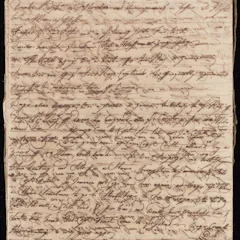
The search for Apongo is a small part of historians’ ongoing work to recreate the lives of Africans taken in the transatlantic slave trade.
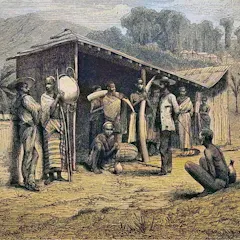
Africa’s ‘new consumer class’ isn’t new; in the 1800s the continent called the tune for European factories.
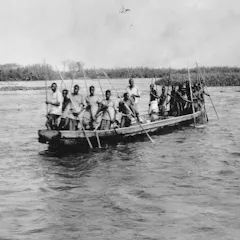
Gold was the first attraction, but late in the 1500s the Portuguese became obsessed with the idea that there were silver mines in Africa.
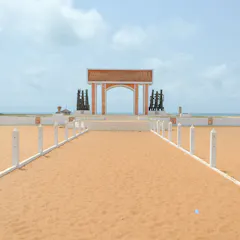
Citizenship as reparation must not translate into citizenship as entitlement.
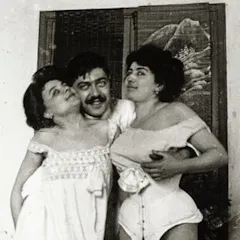
French authorities allowed sex work because they believed brothels could help prevent interracial relationships from developing.
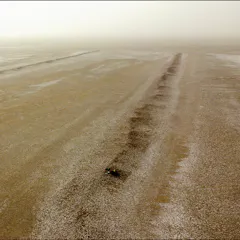
Iraq’s massive agricultural system, believed to have been built by enslaved Africans, has been given dates by the first archaeological study of its kind.
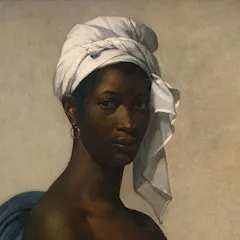
Romanticism centred on the idealisation of human freedom in all its forms.
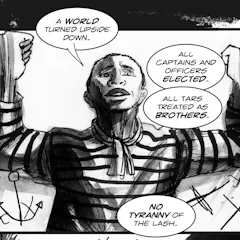
Graphic novels are well-placed to bring forgotten history to life.
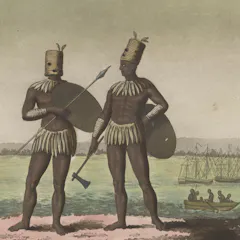
Their lives were thrown into chaos when they decided to travel to England to establish trade relations – but got sold into slavery along the way.
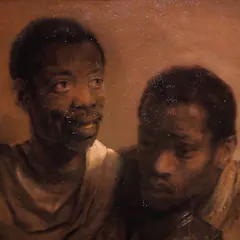
In the 1600s the Netherlands established one of the world’s first art markets – but it couldn’t have happened without the economic boom spurred by the slave trade.
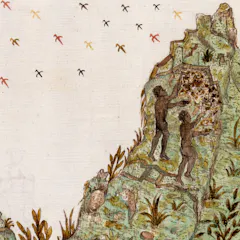
Ana Angola was captured in the kingdom of Ndongo and spent months on a ship before a journey over land where she was forced to work on the gold mines of Antioquia.

The ideas and movement for the abolition of transatlantic slavery began largely among Africans.
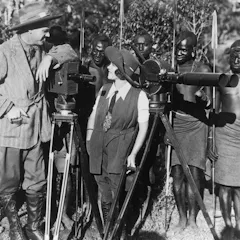
African news media have continued many of the damaging norms of how western media report on the continent. It’s time for a rethink.
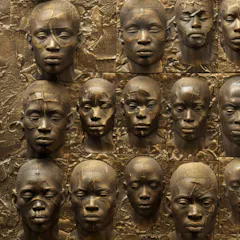
A young artist’s sculpture will provide a ‘remembrance vessel’ and grieving space to help process the complex emotions felt by those affected by the legacy of slavery in Britain.

The idea and feeling of resistance from the minority groups have been strong drivers for conflicts in Nigeria.
Top contributors
-

Associate Professor and Director of Christiansborg Archaeological Heritage Project, Associate Graduate Faculty, Rutgers University
-
Director of African Studies, Assistant Professor of Anthropology, Kalamazoo College
-
Reader in Historical Geography, UCL
-
Associate Professor, Department of Literary Studies in English, Rhodes University
-
Research Fellow, History Department, Universität Trier
-
Postdoctoral Research Fellow
-
Emeritus Professor in History, King's College London
-
Senior Lecturer in Philosophy, University of Bristol
-
Univertsity Assistant (Postdoc), Universität Wien; University of the Free State
-
Postdoctoral Fellow at Wits Centre for Diversity Studies, University of the Witwatersrand
-
Professor of Practice in Education, Clark University
-
Honorary Fellow, Wilberforce Institute for the Study of Slavery and Emancipation, University of Hull
-
Reader in Journalism, City St George's, University of London
-
Director, Centre for African Studies, University of Cambridge
-
Affiliate Researcher, Religion and Civic Culture Center, USC Dornsife College of Letters, Arts and Sciences; Bayreuth University